
Last updated November 4, 2026
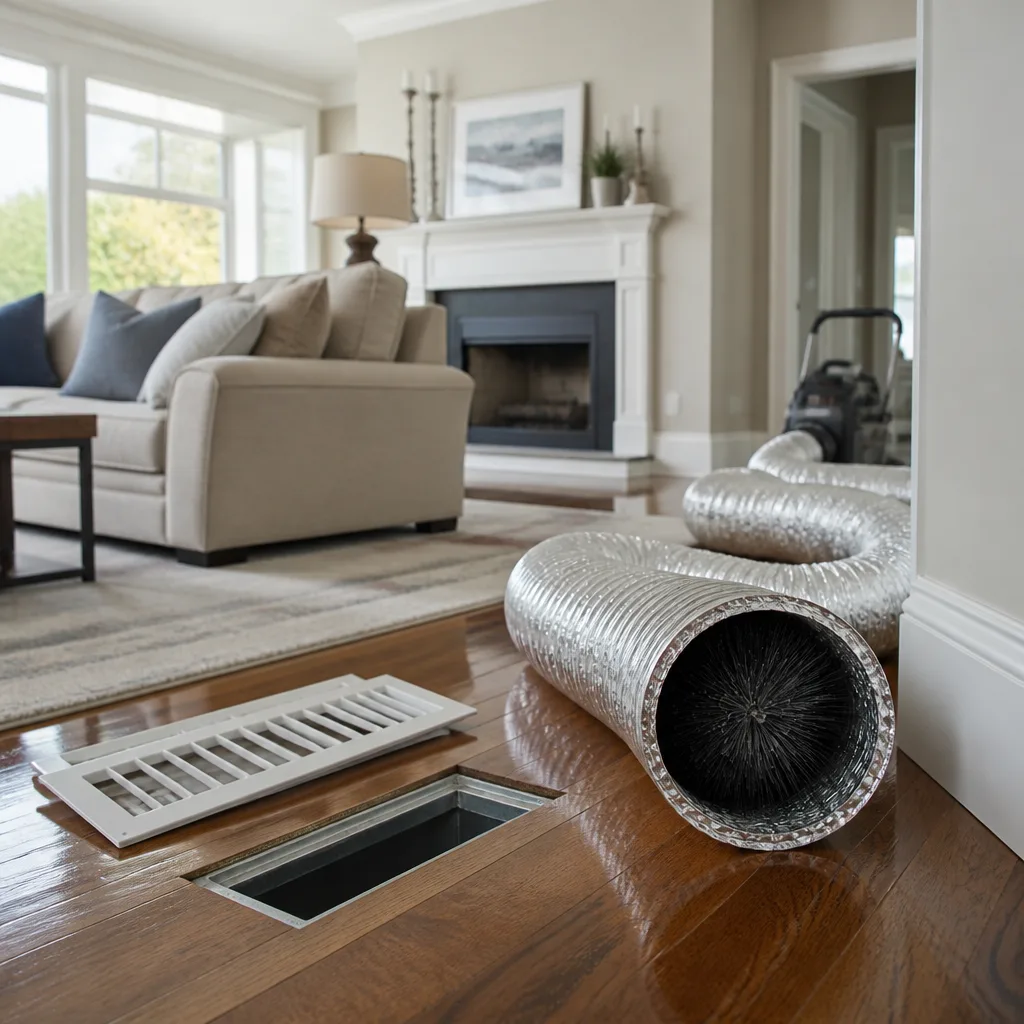 Whole-home duct cleaning
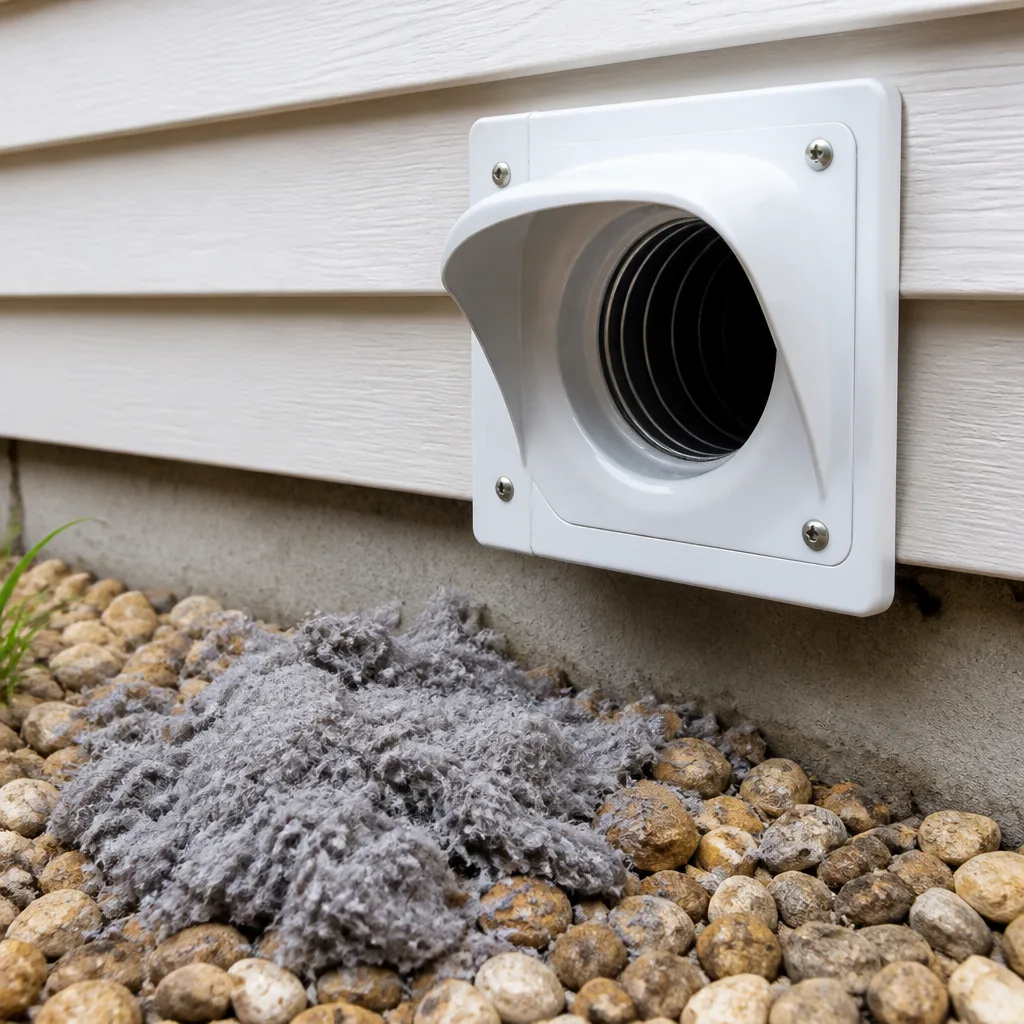 Dryer vent cleaning
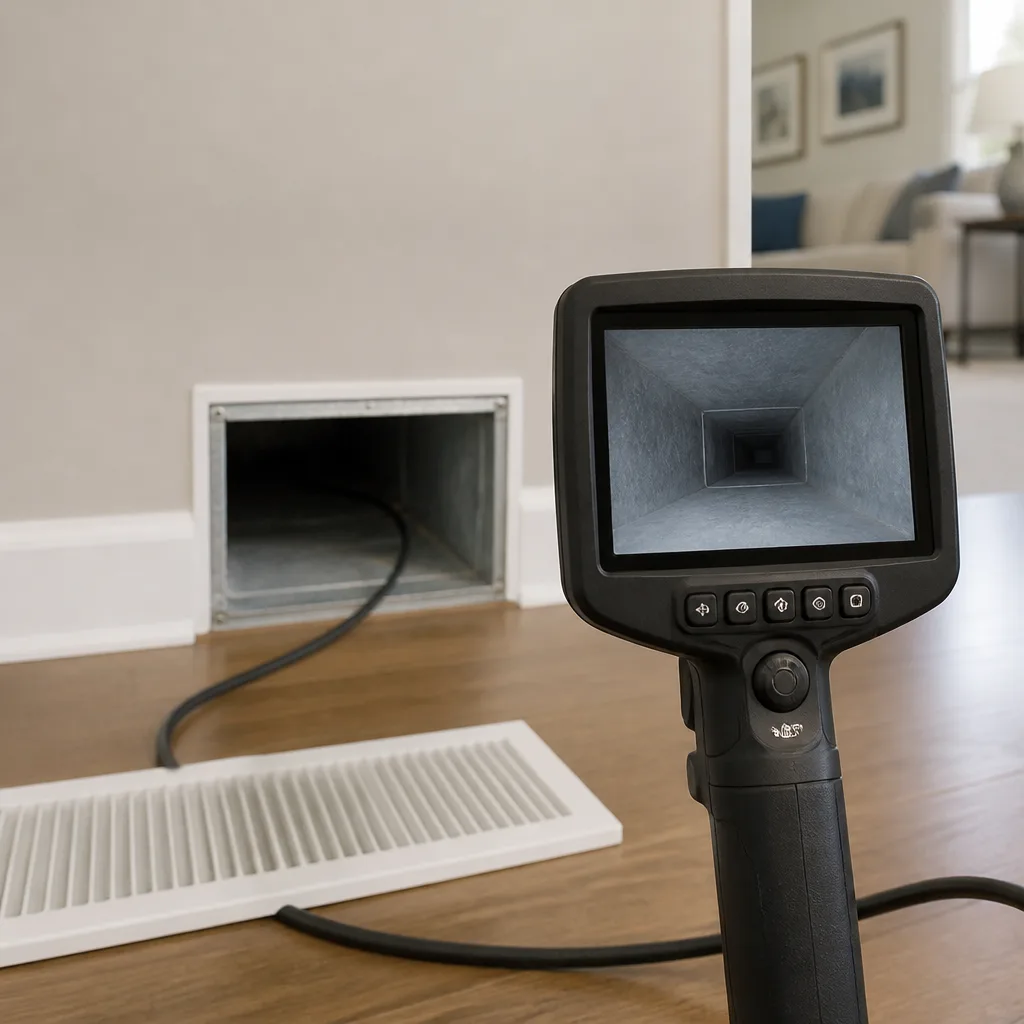 Camera inspection
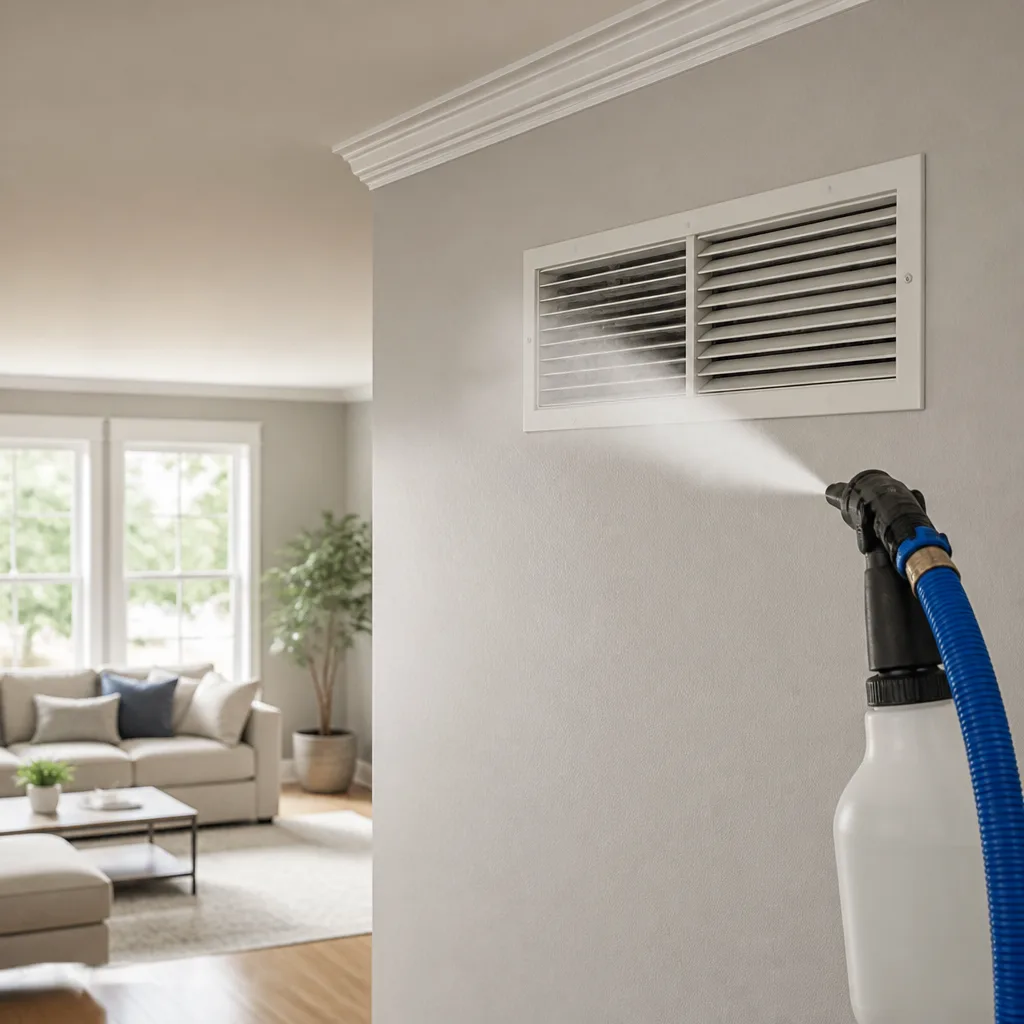 Sanitizing & deodorizing
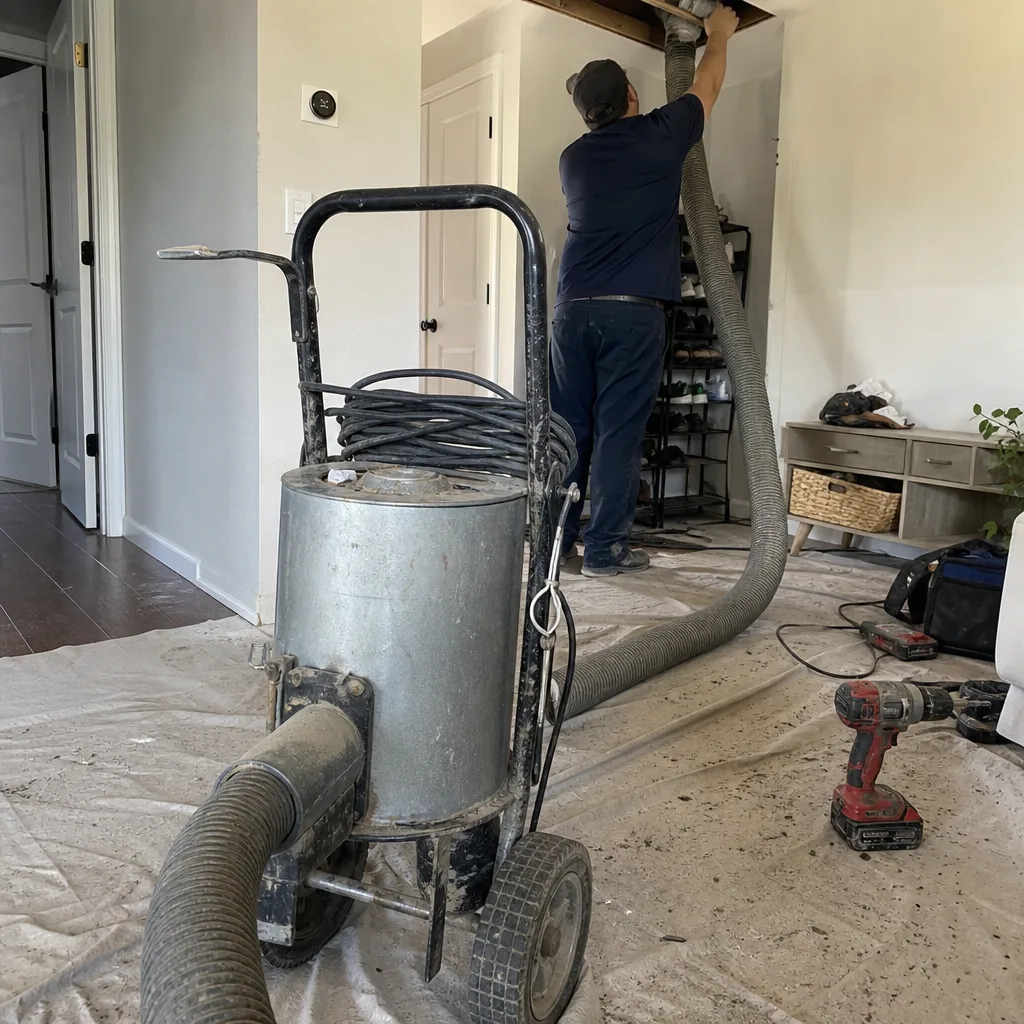
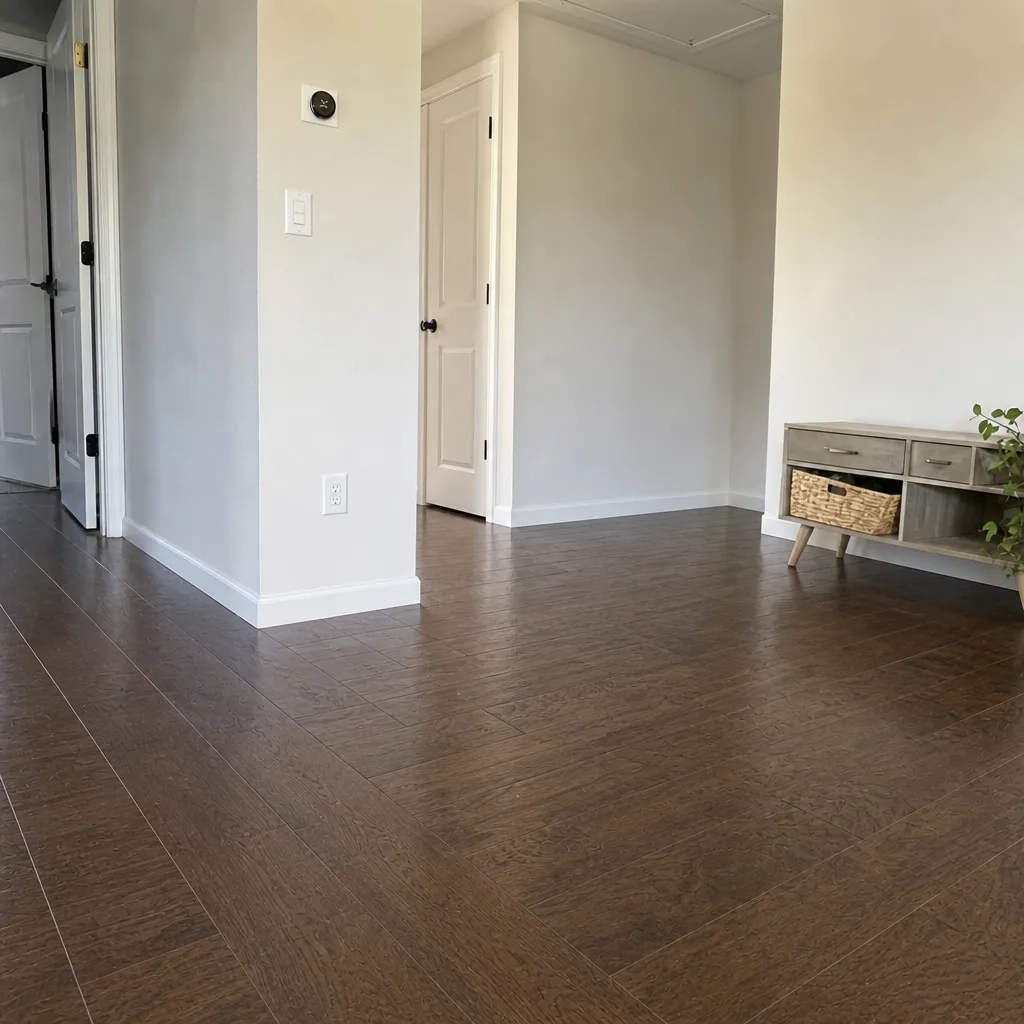
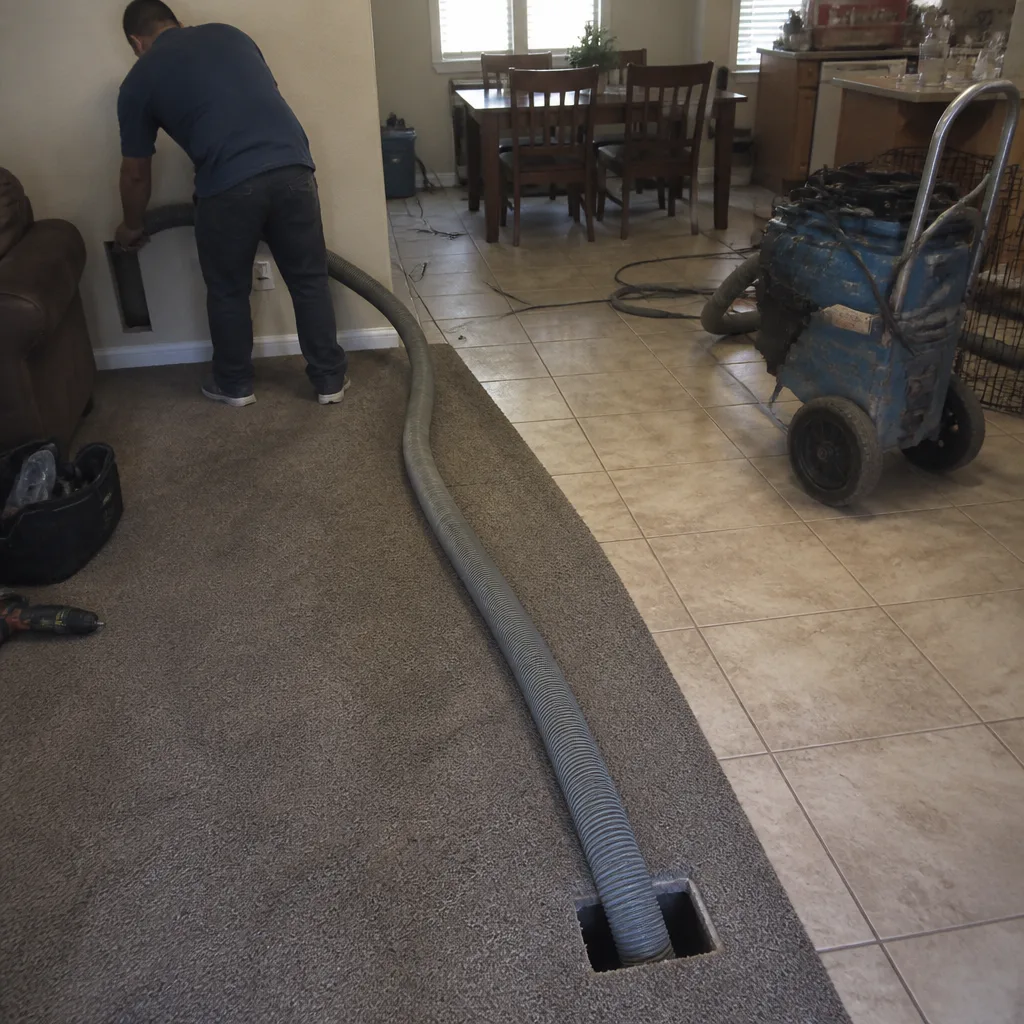
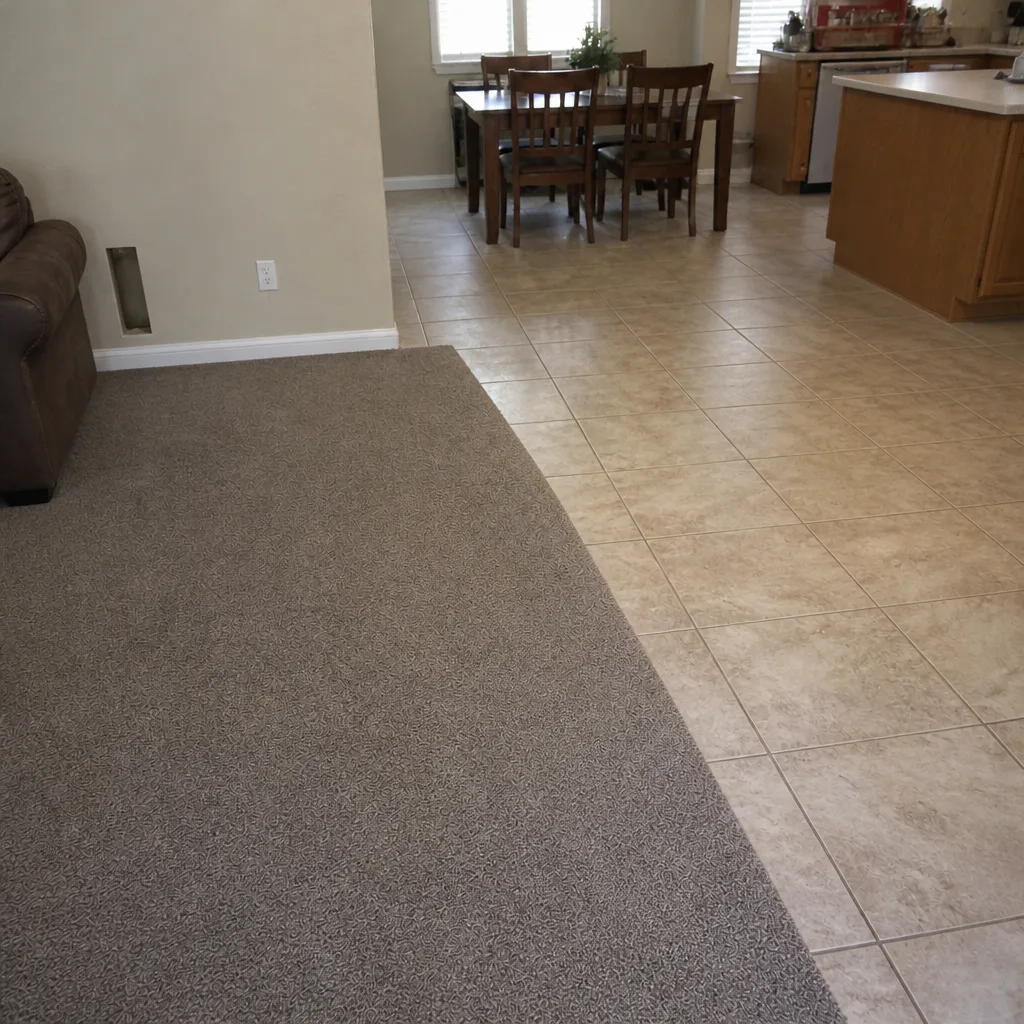
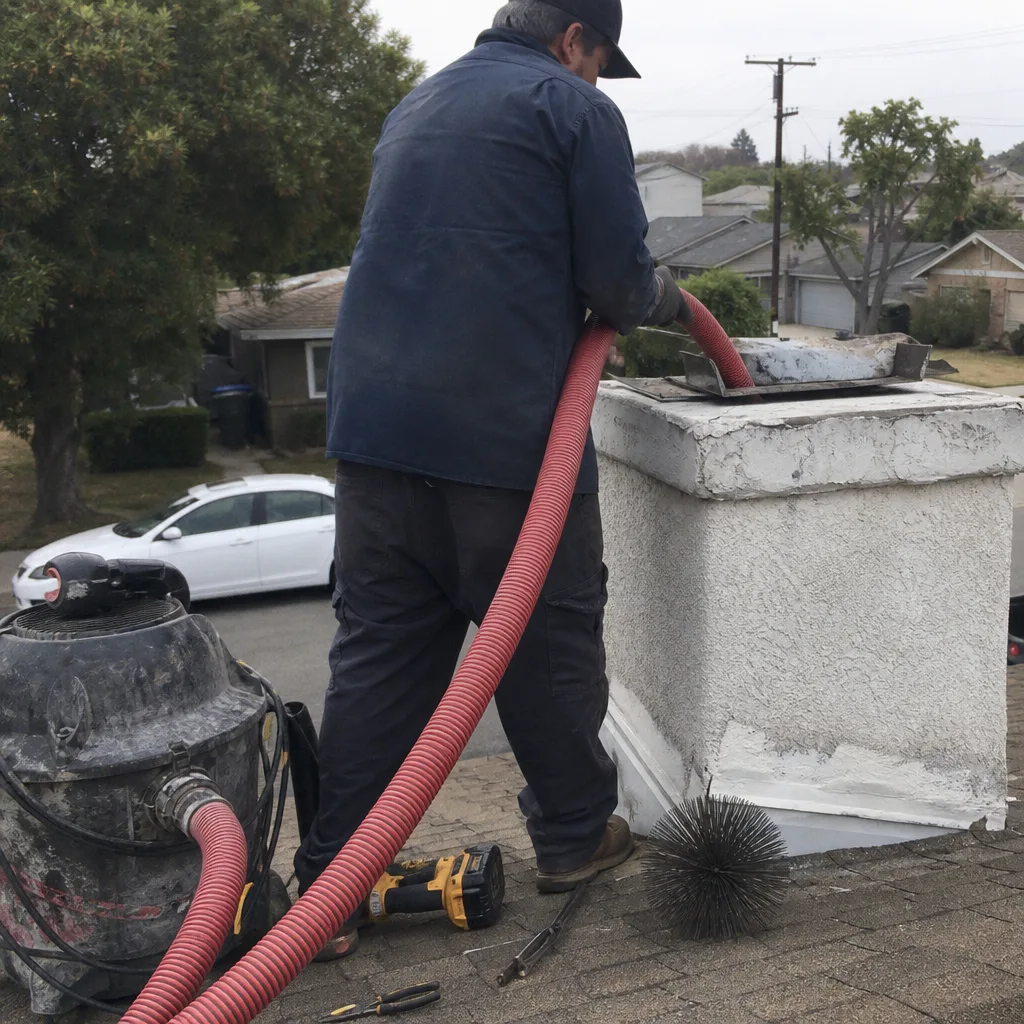
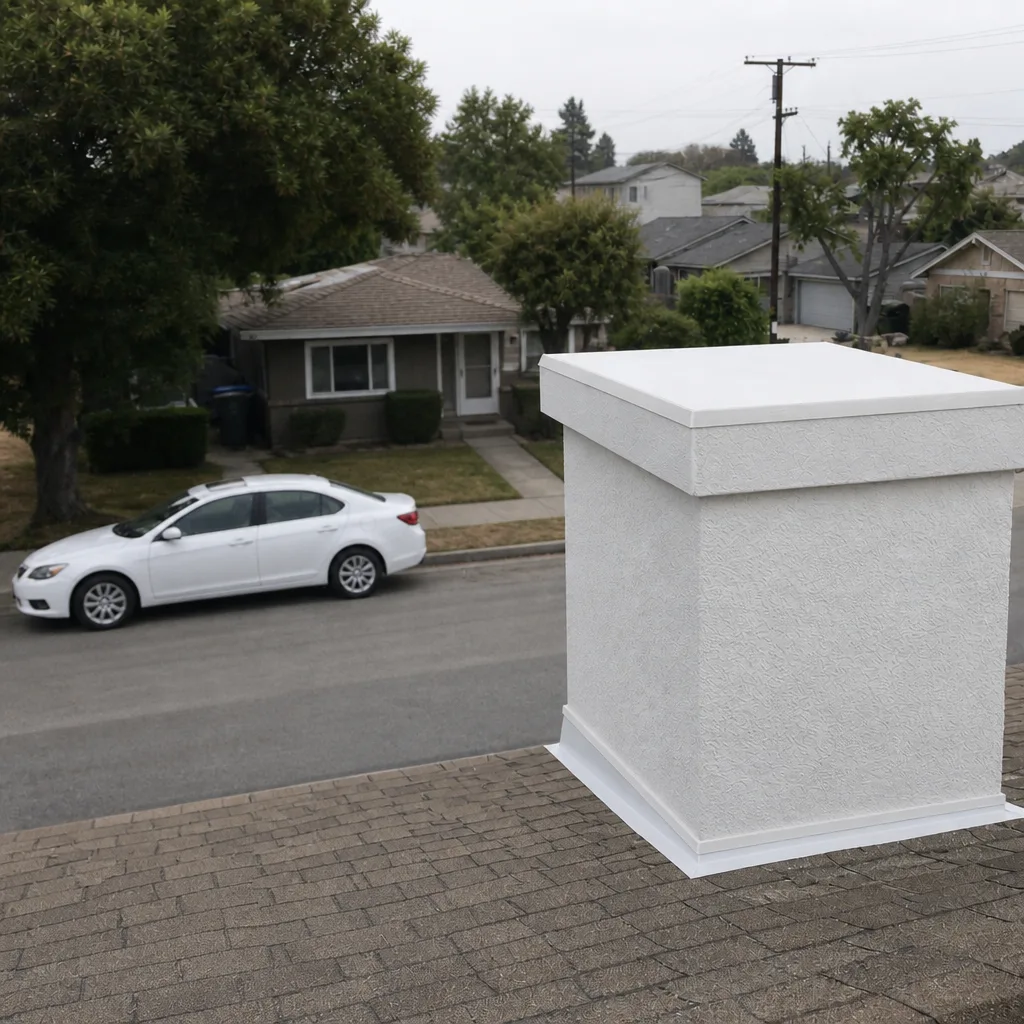
Whole-system duct and dryer vent check with before-and-after photos - you see exactly what came out of your vents
That "$99 whole-house special" is a bait ad - the real number appears once they are in your hallway, or the "clean" is a shop-vac at the register. We photograph the inside of your ducts before and after instead.
Seasonal Air Duct Cleaning Care for Chino: Year-Round Homeowner’s Guide
Most homeowners in Chino follow a duct cleaning calendar that was written for someone else’s weather. The standard “clean in spring and fall” advice comes from humid climates where mold and moisture are the enemy. That rhythm makes little sense here. Our air is dry, our summers are long, and our biggest contamination events arrive with the Santa Ana winds and wildfire smoke that nobody schedules around. This guide lays out a seasonal approach to air duct care that fits the actual pressures systems face in Chino, and it explains what to do before, during, and after each season’s specific risks.
Styles & brands we work with
- Whole-home duct cleaning
- Dryer vent cleaning
- Camera inspection
- Sanitizing & deodorizing
Quick Answer
In Chino, the most important air duct cleaning window is late summer to early fall, before Santa Ana winds and residual wildfire smoke push particulate loads to their annual peak. A full professional air duct cleaning typically makes sense every 3 to 5 years for most Chino homes, with high-use systems or homes near the 60, 71, and 15 freeway corridors often needing attention closer to 3 years. Between cleanings, seasonal filter changes, register maintenance, and targeted inspection after smoke events will keep contamination from building up faster than necessary.
Table of Contents
- Chino’s Climate Calendar: What the National Advice Misses
- The Highest-Risk Window: Late Summer Through Early Fall
- After a Wildfire Smoke Event: A Step-by-Step Protocol for Chino Homeowners
- How Chino’s AC Runtime Changes Your Duct Cleaning Schedule
- Interseasonal Tasks That Extend Time Between Cleanings
- What a Seasonal Duct Inspection Actually Reveals
- Common Mistakes to Avoid
- When to Call a Professional
- Frequently Asked Questions
- The Bottom Line
Chino’s Climate Calendar: What the National Advice Misses
National duct cleaning advice assumes four seasons with distinct temperature shifts, humidity swings, and a defined heating season. Chino does not operate that way. The South Coast Air Quality Management District tracks air quality across our region year-round, and the pattern is consistent: particulate levels climb in late summer, spike during fall wind events, and ease only when winter rains settle the dust. The worst air quality in the Inland Empire does not arrive in pollen season. It arrives when the air is dry, the ground is cracked, and wind pushes fine soil and smoke through every gap in a home’s envelope.
The practical consequence is that following a spring-and-fall cleaning calendar means cleaning at the wrong moments. A spring cleaning in Chino removes normal winter buildup, but it does nothing about the contamination that will arrive four or five months later from the most aggressive environmental inputs of the year. By the time the Santa Anas die down and homeowners finally notice dust on every surface, the ducts have already been collecting the fine particulate that will recirculate all winter.
The better model is a simple one: treat late summer through early fall as the primary cleaning window. This is the period when Chino’s air carries the highest load of PM10 and PM2.5 particles, the same fine material that infiltrates returns, coats plenums, and clings to duct walls. A professional air duct cleaning scheduled before that window closes means the system starts its heaviest-use season already clean, rather than making the system work harder while pushing dirty air through every register.
The Highest-Risk Window: Late Summer Through Early Fall
For Chino homeowners, the months from roughly August through October represent the most concentrated contamination pressure of the entire year. Wildfire activity across Southern California peaks in late summer, and the prevailing offshore winds that begin in September and October carry smoke westward from inland fire zones directly over the Chino Valley. What reaches your return registers includes not just visible ash, but a cocktail of fine particulates that pass straight through standard one-inch filters.
Santa Ana wind events compound the problem. Those hot, dry northeast winds pick up fine dust from the drying hills and agricultural land north and east of the city. Wind gusts of 40 to 60 miles per hour can push outdoor particulate into building envelopes through gaps around windows, doors, and anything else that is not fully sealed. Every leaky return duct becomes an entry point. We have seen homes where Santa Ana season deposits more fine dust in a single month than the previous six months combined.
Preparation for this window starts in July or early August. The goal is not to clean the air outdoors, which is not in a homeowner’s control. The goal is to make the indoor system as resistant as possible before the contamination arrives. That means a full filter replacement with the correct MERV rating for the system, a visual inspection of all accessible returns, and an honest assessment of whether the ducts have been cleaned recently enough to handle the incoming load without immediately redistributing it through the house.
After a Wildfire Smoke Event: A Step-by-Step Protocol for Chino Homeowners
When a smoke event blankets Chino, the instinct is often to immediately call for duct cleaning. The better sequence is a measured protocol that addresses layers of contamination in the right order. Here is the sequence we recommend, and we recommend writing it down somewhere accessible because smoke seasons in the Inland Empire have become a recurring feature, not an anomaly.
- Replace the HVAC filter immediately. A filter that has been loaded with smoke particulate is no longer filtering anything. Swap it regardless of age. If the system has been running during a heavy smoke event, plan to replace again after the air clears.
- Wipe down all registers and return grilles. Use a damp cloth. Smoke residue is sticky, and dry-dusting just sends it airborne again. This is a ten-minute task that makes an immediate difference in visible surface dust.
- Check window and door seals. If outdoor smoke came in, it came through openings. Inspect weatherstripping and entry points around the home. Sealing the envelope reduces how much smoke enters through the same routes during the next event.
- Run the fan during and after the event. Set the thermostat fan to “on” rather than “auto” during a smoke event. This keeps air moving through the filter continuously, capturing some of the particulate that would otherwise settle inside ductwork. After the air clears, run the fan for another 24 to 48 hours.
- Schedule a duct inspection. If the smoke event was prolonged, lasted more than three or four days, or the home is downwind of a major burn area with ash fall, a professional inspection is warranted. What we can see with an inspection camera through each register tells us whether smoke residue has accumulated on duct interior surfaces or whether the filter did its job well enough that deeper cleaning can wait.
The key to this protocol is that it does not overreact, and it does not underreact. A single distant smoke plume with no visible residual pollution may require only filter replacement. Two weeks of persistent smoke advisories, or smoke you can smell indoors, is a different story. The Duct Cleaning Chino team inspects each system with a camera before recommending any cleaning, so you are not paying for work that has no evidence behind it.
How Chino’s AC Runtime Changes Your Duct Cleaning Schedule
Duct cleaning frequency is a function of two variables: how much particulate the system is exposed to, and how many hours the system runs. Chino pushes both variables upward relative to the national average. The cooling season here is long, and summer temperatures regularly exceed 90 degrees. Many Chino homes run air conditioning continuously from May through October, with usage tailing off only gradually through November.
Every hour of runtime moves air across the interior surfaces of the duct system. That air carries whatever the filter allowed through, plus whatever enters through small gaps in the return side. The longer the runtime, the more material accumulates per month. A home that runs its AC constantly from May through October is putting five to six months of aggressive use on the duct system in a single season. For comparison, the same home in a coastal or temperate climate might log half that runtime in the same period.
Translate that into a cleaning schedule and the conclusion is straightforward. A home in Chino with a standard one-inch filter, no supplementary air filtration, and typical summer usage generally benefits from a professional cleaning every 3 to 4 years. Homes near high-dust sources such as the agricultural operations south of the city, the 71 freeway corridor, or Santa Ana wind zones with significant bare-soil exposure often trend closer to 3 years. Homes with higher-efficiency filtration systems, such as a properly installed Aprilaire media filter, may stretch that window longer because the system captures more particulate before it ever reaches the ducts.
We approach this with a consistent philosophy: clean the ducts when there is evidence they need cleaning, not on a calendar alone. But the runtime math in Chino reliably produces that evidence sooner than most homeowners expect, which is why an inspection every two years is a useful practice even if cleaning is not yet required.
Interseasonal Tasks That Extend Time Between Cleanings
Professional duct cleaning is not an annual task, and it should not be sold as one. Between cleanings, a handful of consistent homeowner habits will meaningfully slow the rate at which a system loads up with particulate. These are the tasks that Chino homeowners can do themselves, and we share them freely because a well-maintained system is easier to inspect and clean when the time comes.
- Filter replacement on a Chino-specific schedule. Standard one-inch filters in a high-runtime Chino home should be checked every 30 days during summer and replaced at least every 60 days. During Santa Ana and wildfire months, check weekly if smoke advisories are active. A loaded filter forces the blower to work harder and allows more bypass air around the filter frame, which means more particulate reaching the coil and ducts.
- Register and return maintenance. Vacuum visible dust from registers and return grilles monthly during high-use months. Pay attention to returns, which are the entry point for the air that will be distributed through the entire system. Washing removable grilles twice yearly keeps surface buildup from becoming embedded grime that requires chemical cleanup later.
- Laundry room ventilation. Dryer lint does not enter the HVAC system directly, but a dryer that runs hotter due to a clogged dryer vent cleaning schedule, combined with poorly sealed laundry room penetrations, can put fine lint into the air that eventually finds its way into returns. Keeping dryer vent cleaning current is an indirect duct maintenance task that many homeowners overlook.
- Window and door sealing. Santa Ana wind events push dust through unsealed openings. Replacing worn weatherstripping and checking caulk around window frames before September reduces how much outdoor particulate enters the home during the worst wind events.
- Blower compartment inspection. If you can access the air handler cabinet, check the blower compartment for visible dust accumulation once or twice yearly. The blower is upstream of the ducts, and a dusty blower indicates the system is moving dirty air. If the blower looks coated, it is a strong signal that duct cleaning should move up the priority list.
None of these tasks replaces professional cleaning. But together they slow the loading rate enough that the 3 to 5 year professional window stays on the longer end for well-maintained homes.
What a Seasonal Duct Inspection Actually Reveals
A useful duct inspection is not a quick glance at one register. It is a systematic look at the air pathway from return to supply, using tools that show what is actually inside the duct surfaces rather than what can be guessed from outside. When we inspect a system in Chino before recommending cleaning, we are looking for specific evidence that falls into a few predictable categories.
First is visible particulate accumulation on duct interior surfaces. This shows as a gray or brown film on the metal or flex duct walls, particularly in returns and the main trunk line where air velocity drops and material settles out. The amount matters. A light dusting is normal and is not a reason to clean. A coating that obscures the underlying surface or forms drifts in corners is meaningful.
Second is evidence of filter bypass. This shows as thick dust streaks radiating from the filter frame, or heavy accumulation on the coil and blower despite a clean filter in the slot. Filter bypass means the system has been running with unfiltered air entering around the filter, which puts more load on the ducts and is a strong argument for both filter housing correction and professional cleaning.
Third is anything that reveals duct integrity problems. Disconnected segments, sagging flex runs, crushed boots, or visible gaps at joints are common findings, and they matter for seasonal performance. A leak on the return side pulls unconditioned attic or crawl space air into the system, and in Chino that means pulling in whatever the summer has put into those spaces, dust, heat, and the fine particulate that settles everywhere in an inland climate. Our ability to perform air duct cleaning and then address duct damage directly means an inspection that finds a problem does not end with a referral to another contractor.
Fourth is evidence from the equipment itself. A blower wheel caked with dust has been moving dirty air. A coil that looks like a felt mat has been capturing particulate for months or years. These findings tell us not just that cleaning is warranted, but where the system’s enforcement points are failing, which guides what changes the homeowner should make after cleaning to extend the result.
We bring professional-grade Rotobrush contact-cleaning systems and Nikro negative-air equipment to every job, not portable consumer vacuums. When we run an inspection, we can often show homeowners exactly what their ducts look like on the camera screen, which is the only honest way to make a cleaning recommendation. In our experience, most Chino homeowners want that transparency, and the ones who request it are usually the ones who were already suspicious of a system they could not see inside.
Common Mistakes to Avoid
- Following a national seasonal calendar. Chino’s particulate spike is in late summer and fall, not spring. If you only clean once every few years, scheduling it for late summer through early fall, before Santa Ana season, puts the cleaning where it does the most good.
- Running a high-MERV filter in a system not designed for it. A dense MERV 13 filter in a standard one-inch slot raises static pressure, reduces airflow, and makes the blower work harder. The right filter is the highest MERV the system can handle without pressure problems. This is a system-specific answer, not a universal recommendation.
- Cleaning ducts after a smoke event before replacing the filter and cleaning the envelope. If the house is still pulling smoke in through leaky openings and a loaded filter, cleaning the ducts first means the cleaned system is immediately re-contaminated. Do the protocol in order: filter, envelope, surfaces, then inspection and cleaning.
- Assuming a new home has clean ducts. Construction debris in ductwork is common in every Chino track of new construction. Drywall dust, sawdust, and general construction particulate often remain in the system long after the builder’s final walkthrough. New homes deserve inspection as much as older ones.
- Ignoring the dryer vent because it is a different system. The dryer vent is separate from the HVAC ducts, but it is part of the same indoor air quality picture. A clogged dryer vent puts moisture, heat, and lint into the laundry area, and that material can find its way into the HVAC return. Keep both systems on the same maintenance calendar.
- Using photos of duct cleaning as proof the work was done. Before and after photos of the duct interior, which a reputable cleaner will provide, are the only way a homeowner can see what was actually removed. Insist on them. Our process includes before and after camera documentation on every job because we want homeowners to see what we found and what we left behind.
When to Call a Professional
A visible dust bloom from registers when the system turns on, persistent musty or dusty odors that do not resolve after filter changes, rooms that stay dusty regardless of how often you clean, or the aftermath of a prolonged smoke event in Chino are all legitimate reasons to have a professional inspect the system. If you cannot remember the last time the ducts were cleaned and the home is more than ten years old, an inspection is overdue. Chino homeowners who want an honest camera-based assessment rather than a sales pitch are welcome to call us. Duct Cleaning Chino offers free estimates for every job. Call (844) 789-0415. We answer 24/7. Fast dispatch from 7am to 7pm, Sunday through Friday.
Frequently Asked Questions
Most Chino homes need professional air duct cleaning every 3 to 5 years, with homes near freeways, agricultural areas, or heavy Santa Ana wind exposure trending toward the 3-year mark. The deciding factor is not time alone but the evidence in the system. A camera inspection through the returns will show whether accumulation has reached a level that justifies cleaning.
Not always. A brief smoke event with no visible ash fall and no residual indoor odor typically merits only filter replacement and surface cleaning. A prolonged event with heavy smoke, ash accumulation on outdoor surfaces, or indoor odor that persists after the air clears is a stronger signal that smoke particulate has entered the ductwork and an inspection is warranted. Call (844) 789-0415 for an honest assessment after any major Chino smoke event.
Santa Ana winds in Chino push fine, dry particulate through every gap and opening in a home’s envelope, and that includes leaky return ducts and poorly sealed windows. The particle load during a single extended wind event can exceed what a system would see in months of normal operation. Preparing the envelope and keeping a clean filter installed before September reduces how much of that material reaches the ducts.
Yes. Duct Cleaning Chino provides free estimates for air duct cleaning, dryer vent cleaning, and air duct repair in Chino. The price is set per job by the written estimate before any work begins, so there is no per-vent upselling and no surprise on the invoice after the fact. Call (844) 789-0415 to schedule a camera inspection and estimate.
Not necessarily. Air duct repair is only needed when inspection finds specific problems: disconnected sections, crushed flex duct, gaps at joints, or serious air loss through the return side. A well-installed older duct system can perform well for decades. But if inspection does reveal leaks, our air duct cleaning and repair capability means we can address what we find on the same visit rather than referring you to a second contractor.
The best filter is the highest-efficiency filter your specific system can handle without restricting airflow. That varies by blower type, duct sizing, and static pressure. For most Chino homes, a quality pleated filter in the MERV 8 to MERV 11 range represents the practical sweet spot, with MERV 11 or higher media filtration making sense for homes with allergy concerns or longer smoke-season exposure. We can recommend and install Honeywell and Aprilaire filtration products matched to your system’s actual pressure limits.
The Bottom Line
Chino’s air quality calendar does not follow the national pattern, and neither should your duct maintenance. The highest-risk season here is late summer through early fall, when wildfire smoke and Santa Ana winds combine to put the heaviest particulate load of the year into every home’s air system. Prepare before that window with proper filtration and envelope sealing, follow a methodical protocol after smoke events, and let inspection evidence rather than a calendar alone determine when professional cleaning is due. For Chino homeowners who want transparency about what is inside their ducts and a specialist who can clean and repair with professional-grade equipment, call (844) 789-0415. We answer 24/7. Fast dispatch from 7am to 7pm, Sunday through Friday.
Written by the team at Duct Cleaning Chino, serving Chino since 2018.
See the difference
 Before
 After
 Before
 After
 Before
 After