
Last updated November 4, 2026
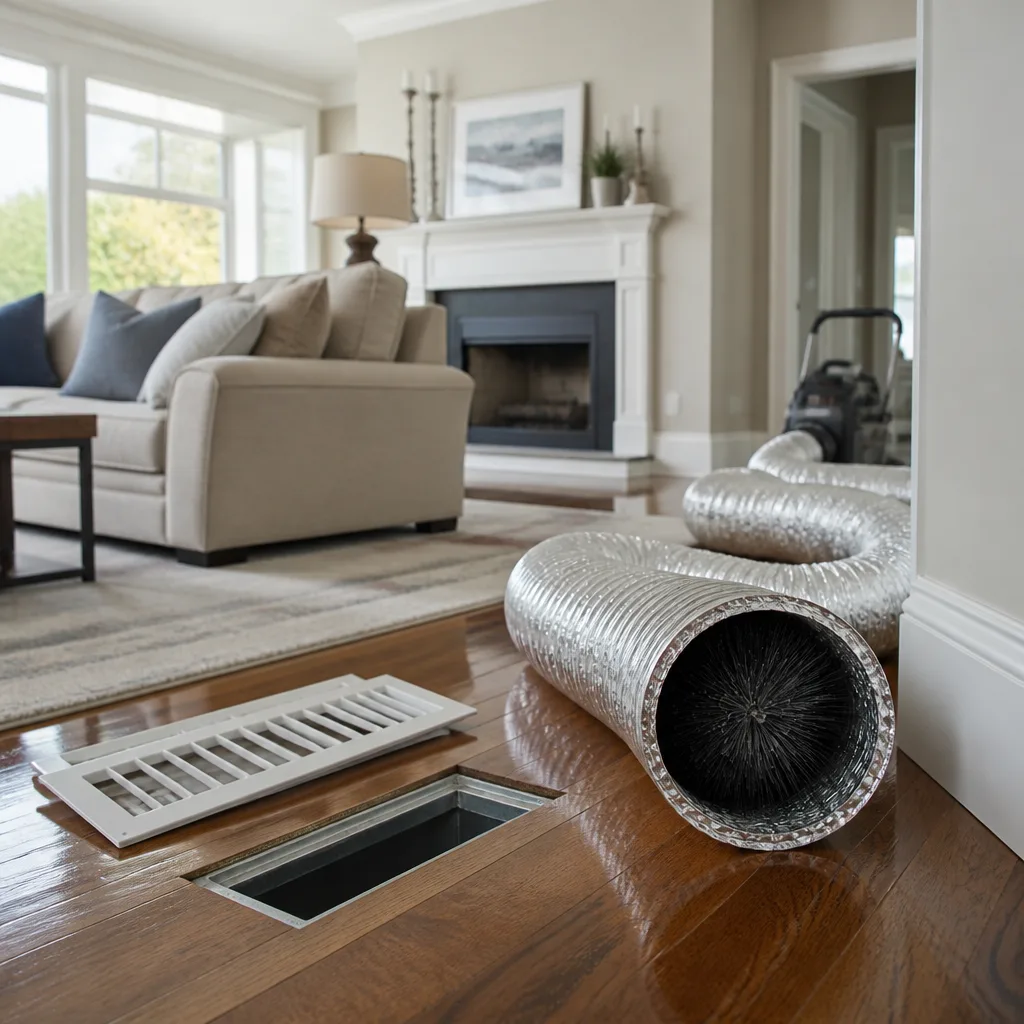 Whole-home duct cleaning
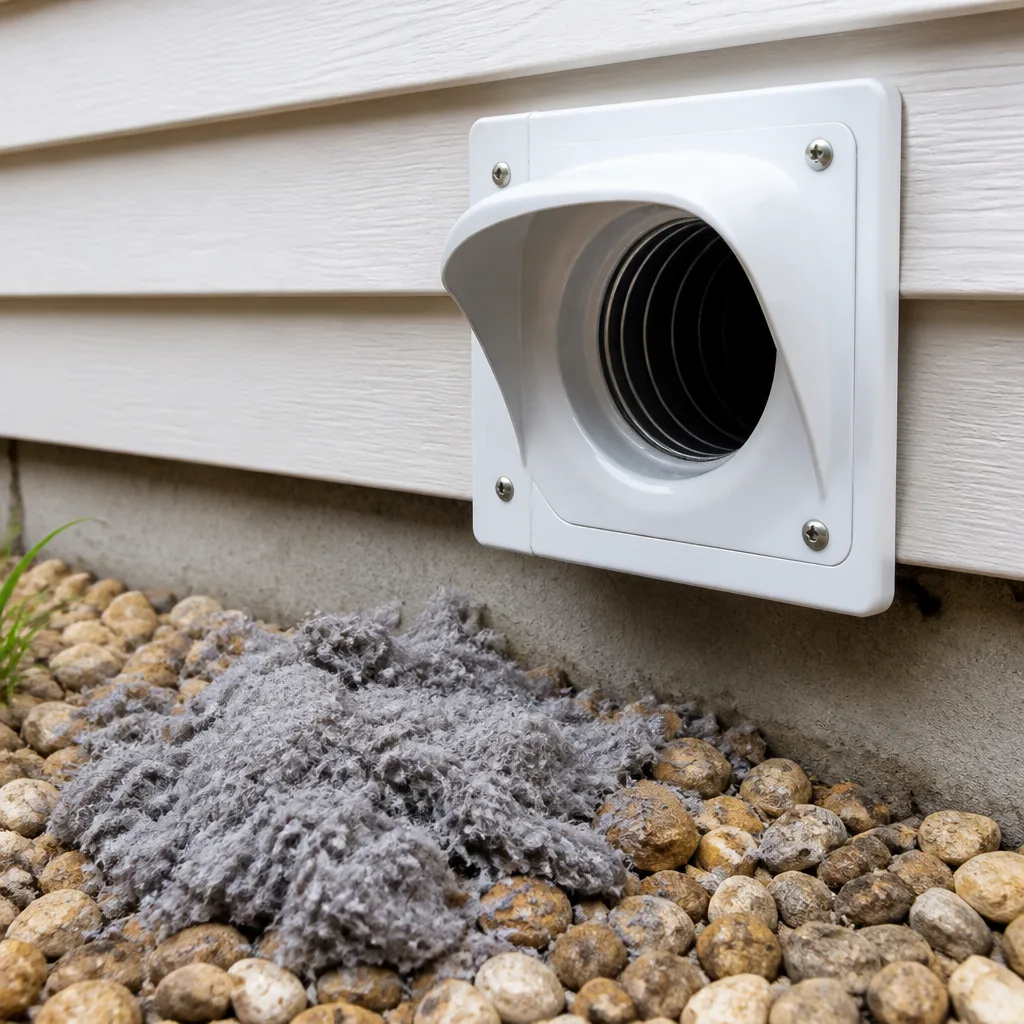 Dryer vent cleaning
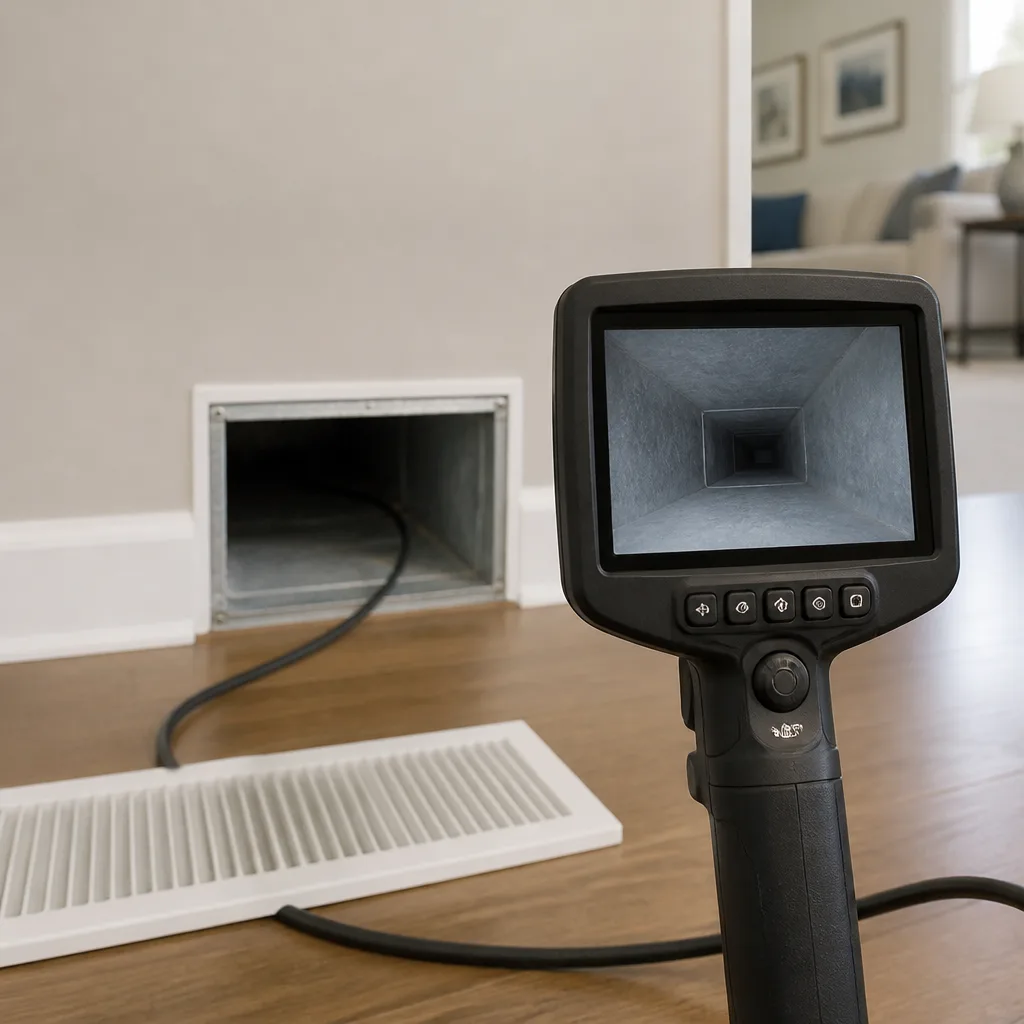 Camera inspection
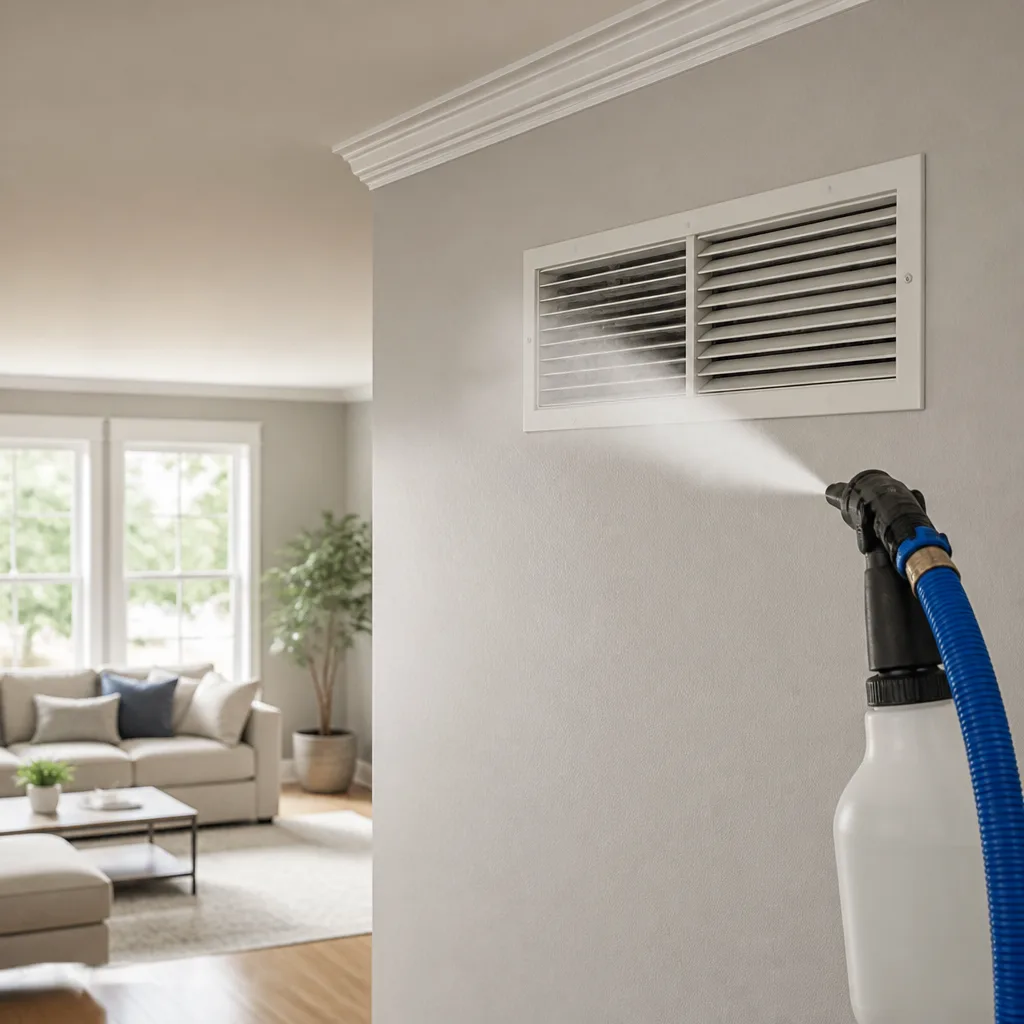 Sanitizing & deodorizing
Whole-system duct and dryer vent check with before-and-after photos - you see exactly what came out of your vents
That "$99 whole-house special" is a bait ad - the real number appears once they are in your hallway, or the "clean" is a shop-vac at the register. We photograph the inside of your ducts before and after instead.
Air Duct Cleaning Emergency Preparedness Guide for Chino Homes
Most Chino homeowners think of their ductwork as a passive delivery system, something that sits quietly behind walls and moves conditioned air from the furnace to the registers. That assumption falls apart quickly during an emergency. During a wildfire smoke event, for example, running your HVAC on “fan only” without understanding your system’s fresh-air intake configuration can actively pull outdoor smoke into your duct system and distribute it through every room, a mistake made by well-intentioned homeowners trying to stay cool. This guide walks through the three emergency scenarios that most directly affect duct systems in Chino: wildfire smoke, Santa Ana wind particulate events, and post-water-intrusion moisture problems. You’ll learn how to operate your system correctly during an active air quality emergency, when a filter change is enough, when a full cleaning is required, and how to document contamination for an insurance claim.
Quick Answer
Air duct cleaning emergency preparedness in Chino means knowing three things before an event hits: how to operate your HVAC system so it doesn’t pull contaminated outdoor air into the home, what to inspect after the event to determine if ducts need cleaning or just a filter change, and how to document any contamination from an insured event for a claim. Wildfire smoke, Santa Ana wind dust, and attic moisture intrusion each affect ductwork differently and require different responses. The goal is preventing a temporary air quality event from becoming a long-term source of indoor contamination.
Styles & brands we work with
- Whole-home duct cleaning
- Dryer vent cleaning
- Camera inspection
- Sanitizing & deodorizing
Table of Contents
- Wildfire Smoke and Your Duct System
- Santa Ana Wind Particulate Events
- Post-Water-Intrusion Protocol for Ductwork
- How to Operate Your HVAC During an Air Quality Emergency
- Post-Emergency Assessment: Cleaning vs. Filter Change
- Documenting Duct Contamination for Insurance Claims
- What Professional Equipment Actually Does
- Common Mistakes to Avoid
Wildfire Smoke and Your Duct System
Wildfire smoke isn’t a single contaminant. It’s a shifting mixture of fine particulate matter, volatile organic compounds, and partially combusted organic material that behaves differently depending on particle size, wind patterns, and the distance between the fire and your home. Chino sits in an air basin that receives smoke from fires in the San Bernardino Mountains, the Angeles National Forest, and occasionally from larger events further north. When smoke settles into the valley, it lingers because the surrounding geography traps air masses, which means exposure isn’t measured in hours, it’s measured in days or longer.
The practical problem for homeowners is that duct systems are never fully sealed. Return ducts in attics, gaps at the air handler, and even slight separation at register boots all allow smoke-laden air to enter the system. Once inside, fine particulates settle onto duct surfaces, blower fans, evaporator coils, and filter housings. The system then becomes a reservoir. Every time the blower cycles, it re-entrains some of those settled particles and pushes them back into living spaces, even after the outdoor air has cleared.
This is the scenario where professional air duct cleaning earns its cost. A surface wipe of registers does nothing for particulate embedded along the full length of the duct runs. Contact cleaning with a Rotobrush system physically agitates and removes material adhered to duct walls, while negative-air containment from Nikro equipment prevents what’s removed from being redistributed through the home during the process.
What homeowners often miss during a smoke event is that the filter becomes saturated far faster than its nominal replacement interval suggests. A MERV 8 filter that would normally last 90 days might be fully loaded after a single week of heavy smoke exposure. When that happens, the filter stops being a barrier and becomes a source, shedding captured particulate back into the airstream as the blower pushes against increased resistance.
Santa Ana Wind Particulate Events
Santa Ana winds are Chino’s most predictable air quality disruptor. These northeast-to-southwest winds compress as they descend into the Inland Empire, gaining speed and picking up dust, pollen, and fine soil particles from the dry interior. Gusts routinely exceed 40 mph through the Cajon Pass corridor, and the resulting particulate load is different from wildfire smoke: heavier, more abrasive, and more likely to carry biological material like pollen and dried plant matter.
The duct-related risk during a Santa Ana event is infiltration through attic ventilation and external access points. Most Chino homes have attic-mounted ductwork, and high wind creates positive pressure zones that push dusty air through any gap in the attic envelope. Older duct systems with foil tape that’s dried out, mastic that’s cracked, or flex duct that’s been compressed by stored boxes are particularly vulnerable. Even a quarter-inch gap at a plenum connection can admit enough wind-driven dust over a 48-hour event to leave visible accumulation inside the return-side ductwork.
What distinguishes wind-event particulate from everyday household dust is what’s in it. Santa Ana dust carries a higher proportion of mineral content and biological allergens than the lint-and-skin-flake mix that dominates indoor dust. That matters for homeowners with asthma or allergies, because the inflammatory response isn’t just about particle size. It’s about what the particles carry with them.
After a sustained wind event, the pragmatic question is whether the duct system has become a reservoir. If you pull a filter after two weeks and it’s coated in fine tan-gray dust that wasn’t there before the event, that’s a signal the system took a particulate hit and likely has accumulation beyond the filter. Registers blowing visible dust when the system starts up after sitting idle is a stronger signal. Both are indicators that a professional assessment is warranted, not just a filter swap.
Post-Water-Intrusion Protocol for Ductwork
Water is the worst contaminant for a duct system because it changes the environment from dusty to biologically active. Chino’s roofing infrastructure faces a specific set of pressures: intense summer UV that degrades sealants, occasional heavy rain events that expose any weak point, and the general aging of tract-home construction from the 1970s through the 1990s, which represents a large portion of the city’s housing stock.
When water enters an attic, whether from a roof leak, a failed condensate line, or a wind-driven rain event through gable vents, it rarely stays confined. Water follows framing members, drips onto insulation, and pools on the top of horizontal duct runs. Many homeowners never see the water itself. They see the evidence weeks later: a musty smell from certain registers, dark staining at the edges of ceiling grilles, or a sudden increase in allergy symptoms when the system runs.
The critical distinction is where the water went. Water on the exterior of a duct can saturate the fiberglass insulation wrapped around it, creating a damp microclimate that promotes mold growth on the duct surface. Water inside a duct, entering through a separating joint or damaged section, is more serious because the interior surface is now directly exposed to organic material, dust, and the continuous air movement that spreads spores throughout the home.
Chino’s climate works against you here. Summers are hot and dry, which gives a false sense that moisture problems resolve themselves. Attics can reach 140 degrees, and while that accelerates surface drying, it doesn’t eliminate mold if organic material and residual moisture remain trapped in insulation or within duct joints. The mold becomes dormant during dry spells and reactivates when humidity rises, which in the Inland Empire happens more often than people assume during late-summer monsoonal moisture and winter rain patterns.
There’s a hard limit to what cleaning accomplishes with water-damaged ductwork. Contact cleaning removes surface contamination and particulate, but it cannot restore fiberglass insulation that’s been saturated, cannot repair separated duct joints, and cannot correct a moisture source that’s still active. That’s where the repair capability matters. If a cleaning reveals a section of duct with interior mold growth on the liner, or seams that have opened enough to admit moisture, the correct response is replacement or repair of that span, not a more aggressive cleaning. Duct Cleaning Chino handles both the cleaning and the air duct repair as part of the same service call, so the assessment and the fix aren’t split between two contractors working from different scopes.
How to Operate Your HVAC During an Air Quality Emergency
Most operational mistakes during an air quality emergency come from managing the system reactively instead of understanding what each setting actually does. Here’s the protocol that applies to the two most common emergency scenarios in Chino: wildfire smoke and wind-driven dust.
- Identify your system’s fresh-air intake configuration. Some homes have a dedicated fresh-air damper that pulls outdoor air into the return plenum. Others rely on incidental leakage through the attic. If your system has a manual damper, close it during a smoke event. If you don’t know whether you have one, leave the system in recirculation mode and don’t attempt to modify anything you haven’t inspected.
- Do not run “fan only” as a smoke mitigation strategy. The fan setting moves air without heating or cooling it, which homeowners sometimes assume is safer because the compressor isn’t running. That’s wrong. Fan-only mode still pulls return air from wherever the ductwork draws it, and if your system has attic leakage or a fresh-air intake, you’re mechanically ventilating the house with contaminated outdoor air.
- Set the thermostat to “auto” rather than “on.” The “auto” setting cycles the blower only when the system is actively heating or cooling. “On” runs the blower continuously, which increases the volume of air passing through the filter and through any system leaks. During a heavy smoke day, forcing more air through a saturated filter and leaky return ducts makes the indoor air worse, not better.
- Upgrade the filter during the emergency, not just after it. A MERV 11 or MERV 13 filter captures a meaningfully higher fraction of fine smoke particulate than a standard MERV 8. The tradeoff is airflow. Not every system can handle the pressure drop of a high-MERV filter without losing cooling capacity. If your system was designed for MERV 8 and you install a MERV 13 during a heat wave, you may freeze the evaporator coil or trip the high-limit switch. The safer path is a consultation with a technician who understands the system’s static pressure limits. Honeywell and Aprilaire both make filtration products that integrate with existing systems, and Duct Cleaning Chino can supply and install them.
- Run a portable HEPA air purifier in the rooms you occupy most. This doesn’t replace duct-level mitigation, but it reduces the load on your lungs while you sort out the system-level response. This is also where Abatement Technologies equipment matters on the professional side: the same air-filtration discipline used to contain remediation projects applies to protecting your living space during a smoke event.
The filter upgrade conversation is where most homeowners get bad advice. The common suggestion to “just put in a MERV 13 during smoke season” ignores the fact that many older Chino HVAC systems were designed around lower-MERV filters and thinner filter slots. A filter that’s too restrictive can starve the blower. We measure static pressure before recommending any filter change, because the wrong filter causes more problems than the smoke it’s meant to capture.
Post-Emergency Assessment: Cleaning vs. Filter Change
After the smoke clears or the wind dies down, the question is whether the ducts actually need professional cleaning or whether a thorough filter replacement and surface wipe handles the problem. Here’s the decision framework.
A filter change is likely sufficient if:
- The emergency was brief (under 48 hours of degraded air quality)
- The home was mostly sealed against outdoor air during the event
- The filter was relatively new when the event began and is visibly loaded now
- No visible dust is being emitted from registers after the filter is replaced
- No water was involved
A professional cleaning is indicated if:
- Visible dust or discoloration is present at multiple registers, especially return grilles
- The system emits a smoke or burning smell when the blower starts after the event has passed
- The filter was saturated during the event, suggesting heavy particulate loading throughout the system
- Water intrusion occurred in the attic or around the air handler
- Occupants report new or worsened respiratory irritation that correlates with system operation
- The home is older with suspected duct leakage into the attic
The saturating-filter signal is underappreciated. If a filter designed for three months of service is completely loaded after five days of smoke, the system was processing a particulate volume far outside its design envelope. That means the filter was doing its job, but it also means the blower was pulling contaminated air through the entire return path. Some of that contamination settled before the filter. It’s a strong predictor that the ducts need more than a surface wipe.
Documenting Duct Contamination for Insurance Claims
If the contamination source is an insured event, whether a roof leak during a storm or smoke damage from a nearby fire, the documentation trail determines whether the duct cleaning is covered. Insurance adjusters work from evidence, not assertions, and the homeowners who document properly are the ones whose claims proceed smoothly.
Here’s the documentation protocol, in order:
- Photograph the event conditions. Take photos of the smoke plume or the water staining as it appears, before any cleaning or repair begins. Date-stamp the photos. These establish a timeline.
- Document outdoor air quality. Save screenshots from the air quality monitoring sites showing the Chino or Inland Empire readings on the days in question. The EPA’s AirNow and the South Coast AQMD both publish data that adjusters can verify.
- Photograph the filter. Remove the filter carefully and photograph both sides before disposing of it. A filter saturated with smoke particulate or water stains is physical evidence that ties your indoor system to the outdoor event.
- Inspect and photograph visible duct surfaces. Remove a few register grilles and photograph what you can see inside the duct opening. Flash photos of dust accumulation, moisture staining, or visible mold on duct surfaces are the most persuasive evidence a homeowner can gather without specialized equipment.
- Retain any contractor documentation. If a roofing company repairs a leak, keep the work order. If a water mitigation company provides a drying assessment, keep it. The chain of documentation matters more than any single photo.
- Request a post-cleaning or assessment report. A professional duct cleaning company should provide documentation of what was found during the inspection and what was removed. This report becomes part of the claim file and may be requested by the adjuster.
The claim process for duct contamination typically hinges on one question: was the contamination caused by the insured event, or is it pre-existing accumulation? Homeowners who can show a timeline, from event to filter evidence to duct inspection, have a much stronger position than those who call their insurer three months later with no documentation.
What Professional Equipment Actually Does
The difference between professional duct cleaning and a consumer-grade attempt is not effort. It’s physical access and containment. A portable vacuum attached to a hose that reaches a few feet into a register leaves most of the duct surface untouched. The system is too long, too convoluted, and too enclosed for that approach to work.
Professional contact cleaning uses a rotating brush system, like the Rotobrush units Duct Cleaning Chino operates, that travels the full length of each duct run. The brush physically agitates material adhered to the duct walls. The agitation step is the difference maker: settled dust bonds to duct surfaces over time through static charge and moisture cycles, and it doesn’t come off with suction alone. Simultaneously, negative-air equipment, which is what Nikro systems provide, creates continuous airflow out of the home so that dislodged material is captured or exhausted rather than released into living spaces.
The containment discipline is carried further with Abatement Technologies air-filtration equipment on-site during the cleaning. This is the same class of equipment used in restoration and remediation work, where controlling airborne particulate during the job is non-negotiable. For a homeowner whose ducts are being cleaned after a smoke event or a water intrusion, that containment means the cleaning process itself doesn’t add contamination to the home.
What happens after the cleaning matters as much as the cleaning itself. If the assessment reveals damaged sections, separated joints, or insulation that’s saturated, a cleaning that ignores those problems is incomplete work. Duct cleaning removes what shouldn’t be there. Duct repair addresses why it got there. When both are handled by the same company, the homeowner gets a single recommendation that accounts for the interaction between the two, rather than one contractor who cleans and another who repairs with no shared inspection.
For ongoing filtration after an emergency, Honeywell and Aprilaire products extend what the duct system can do. A media cabinet that holds a deep-pleated filter offers more surface area and lower pressure drop than a standard one-inch filter, which means better particulate capture without choking the blower. Some Aprilaire models address the moisture dimension too, managing humidity levels so that the conditions that favor mold growth in ductwork are less likely to recur. Duct Cleaning Chino supplies and installs both brands, so the recommendation follows from what the system actually needs, not from what’s easiest to sell.
Common Mistakes to Avoid
- Running the fan on “on” during a smoke event to “filter the air.” This increases airflow through the entire duct system, including any leaks or fresh-air intakes, pulling more contaminated outdoor air into the home. Set the fan to “auto” and keep windows and doors closed until the outdoor air clears.
- Installing a high-MERV filter without assessing static pressure. A filter that’s too restrictive for the system can freeze the coil or trip safety limits. Measure the system’s tolerance before changing filter specs.
- Assuming a water stain on the ceiling is the extent of attic water damage. Water travels along framing and ducts, and the visible stain is often the lowest point, not the entry point. Inspect duct runs above the stain for insulation saturation and joint damage.
- Waiting weeks after an event to inspect or clean, then calling the insurer with no documentation. The contamination timeline gets harder to prove with every day of delay. Start photographing and documenting during the event, not after it.
- Attempting to clean smoke-contaminated ductwork with a shop vac and a long hose. A consumer vacuum cannot reach the full length of most residential duct runs and provides no containment for what it dislodges, which means the cleaning attempt can release more particulate into the home than it captures.
- Ignoring a saturated filter because it “just means the filter worked.” A fully loaded filter is evidence that the system processed contamination far beyond its design load. It means the blower was pulling particulate-laden air through the entire return path, which is a cleaning indicator, not a reason to skip one.
- Assuming Chino’s dry climate prevents mold growth in ducts. Attic temperatures accelerate drying, but mold spores survive dry periods and reactivate when humidity rises. Monsoonal moisture and winter rain cycles create repeated opportunities for growth in previously wetted duct insulation.
See the difference
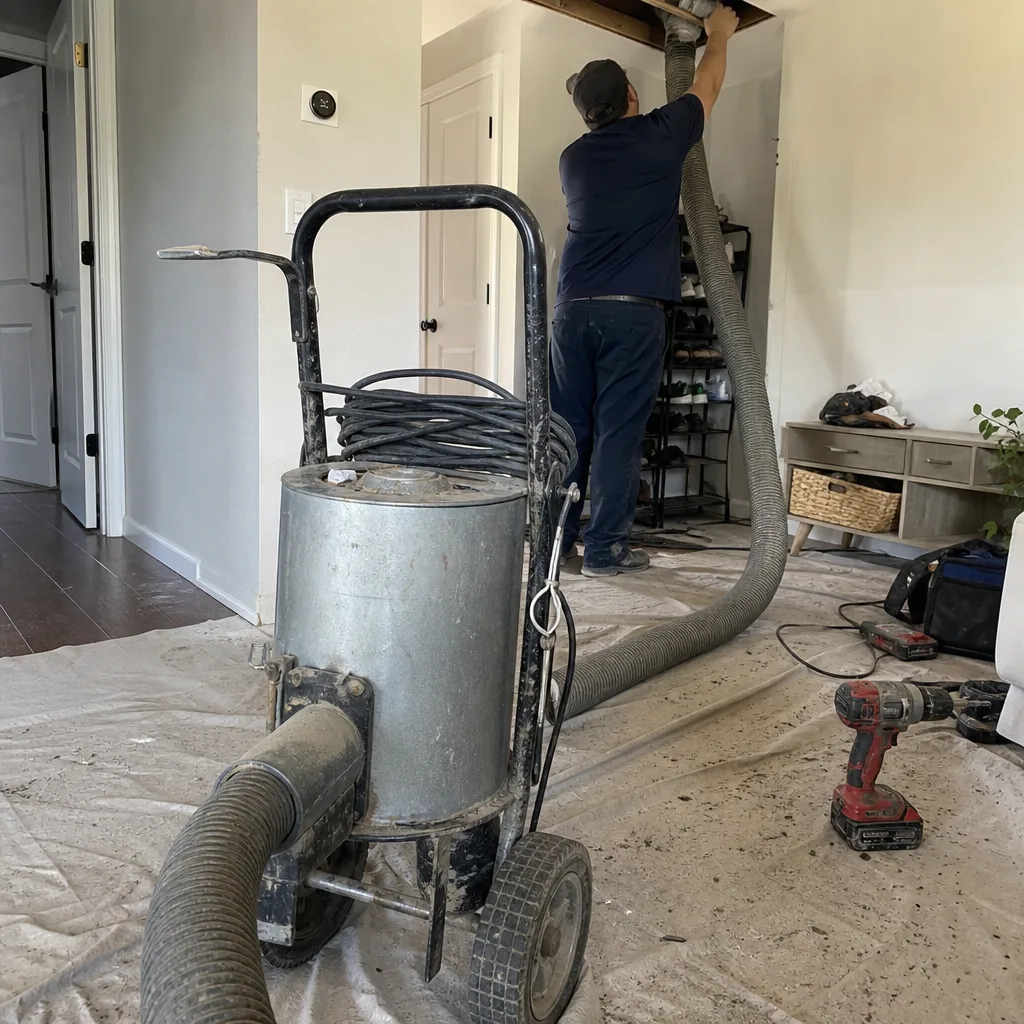 Before
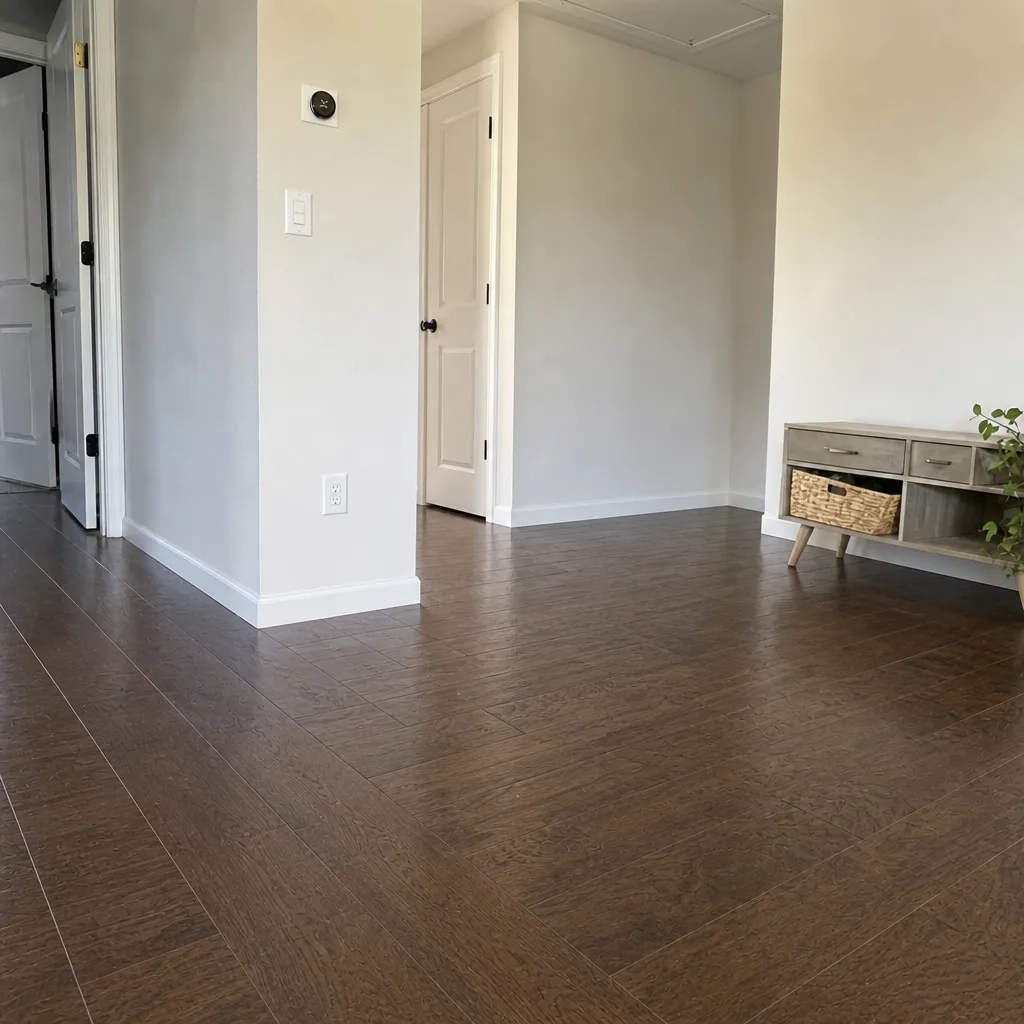 After
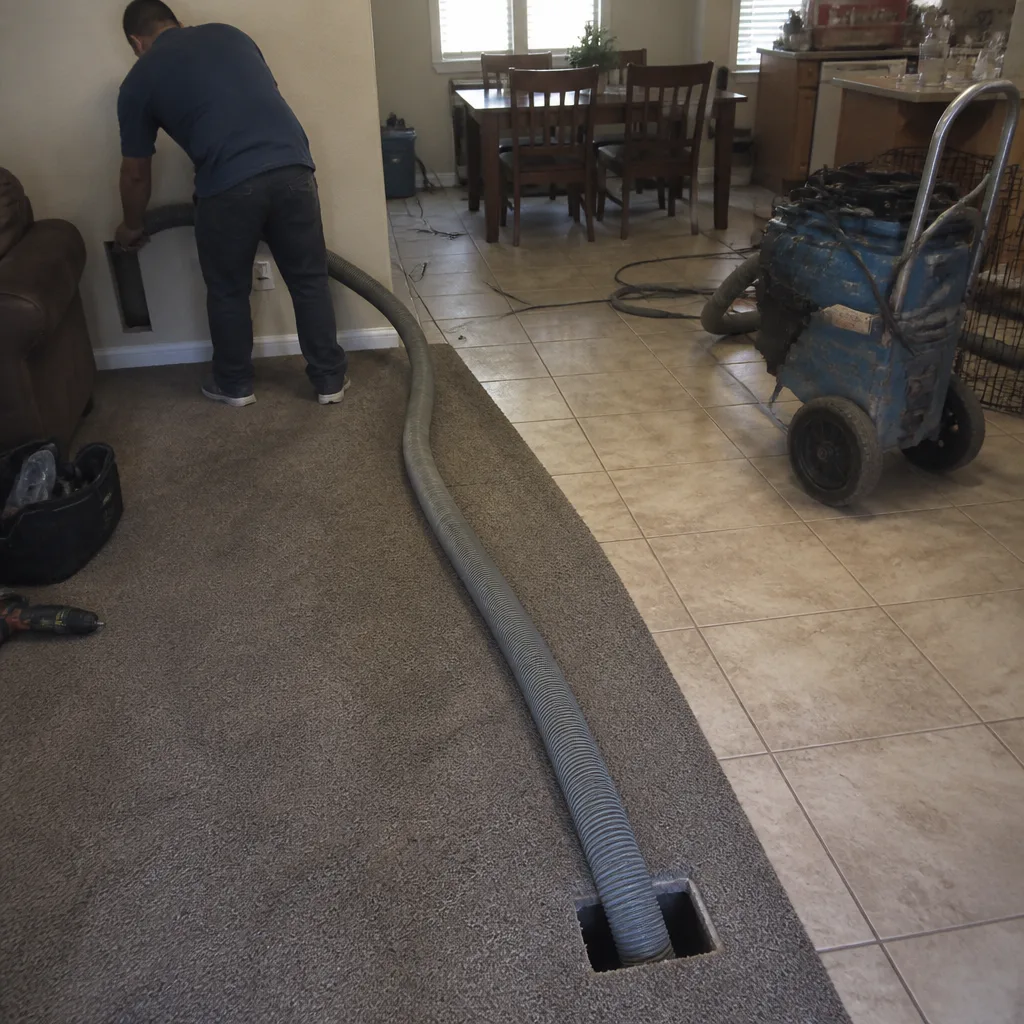 Before
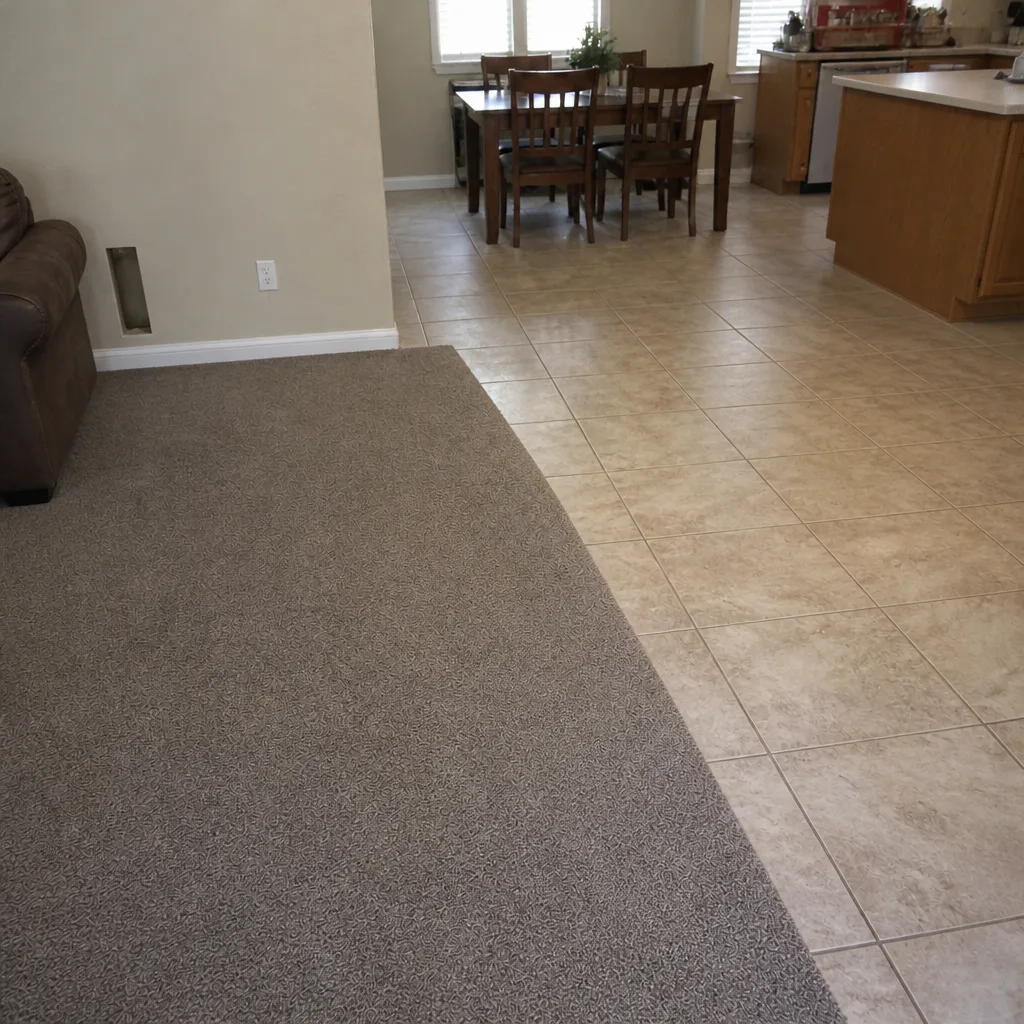 After
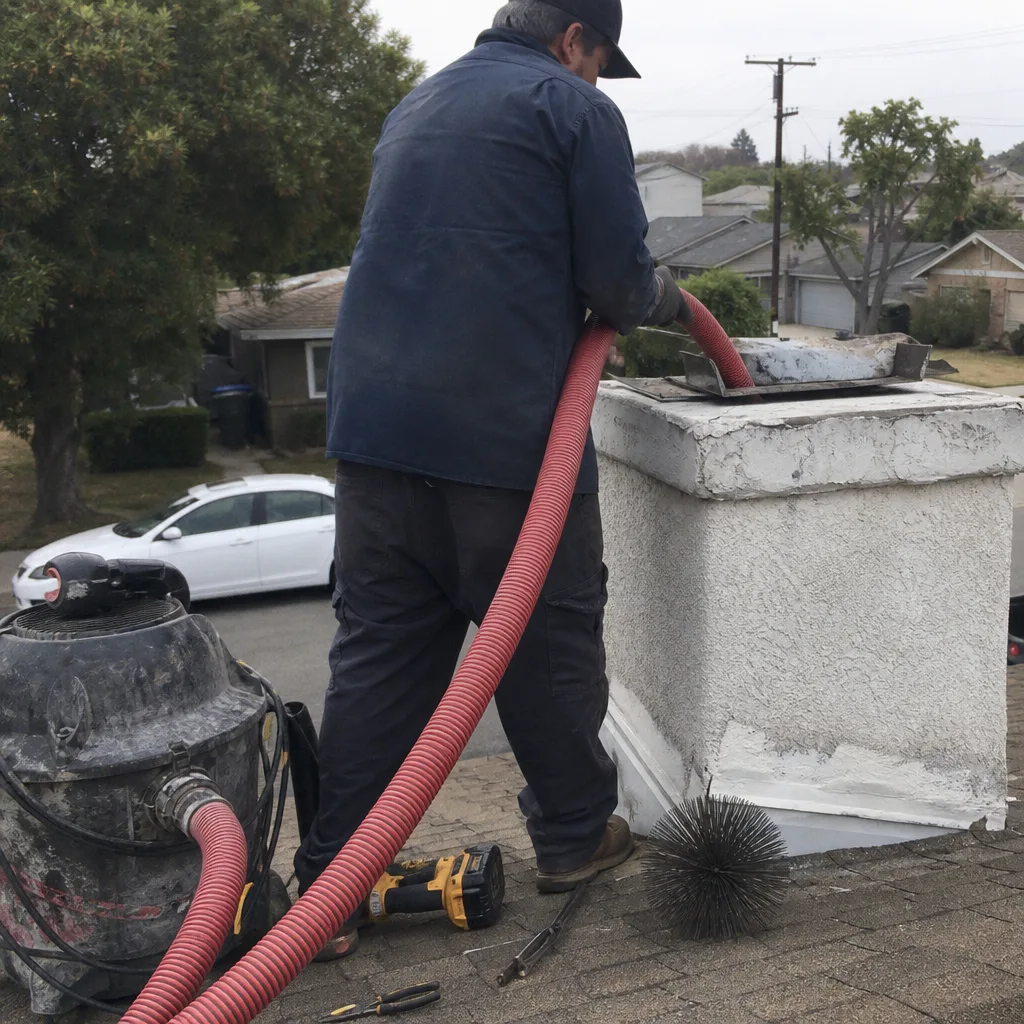 Before
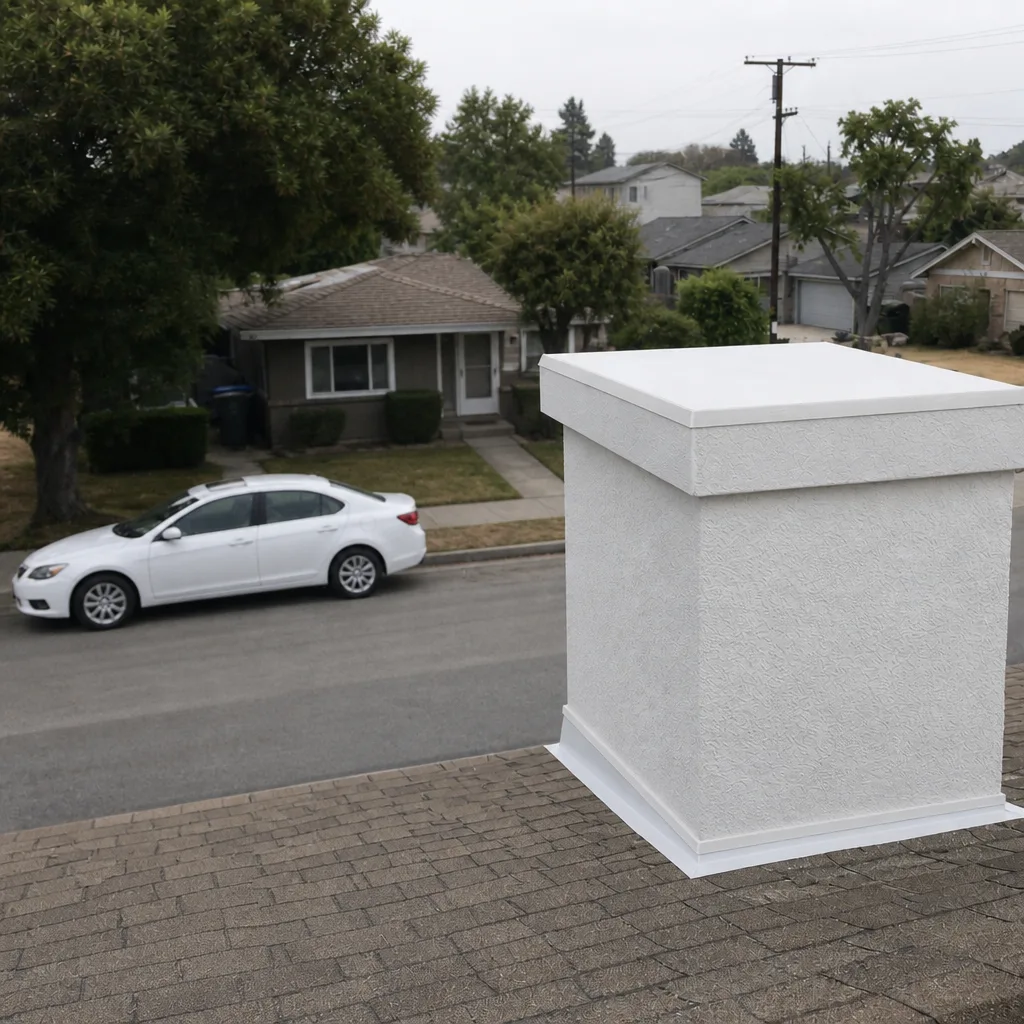 After
When to Call a Professional
You should bring in a professional when the signals indicate contamination has moved beyond what a filter change and surface wipe can address. Visible dust at multiple registers after an event, a smoke smell that persists after the outdoor air clears, a saturated filter from a short-duration event, or any water intrusion in the attic near duct runs are all professional-level indicators. If you’ve been through a wildfire smoke event that lasted more than a few days and the system hasn’t been cleaned since, an inspection is warranted even if symptoms aren’t obvious. The same applies after a roof leak or condensate line failure that put water anywhere near ductwork. Duct Cleaning Chino offers free estimates in Chino, with inspection-first process so you see what’s in your ducts before committing to a cleaning. Call (844) 789-0415. We answer 24/7. Fast dispatch from 7am to 7pm, Sunday through Friday.
Frequently Asked Questions
The most reliable indicator is your filter. Pull it after the smoke event ends. If it’s visibly darkened or coated with fine particulates after a short period of service, the system was processing smoke-laden air, and some of that material settled in the ductwork before reaching the filter. A smoke odor that persists when the blower starts after outdoor air has cleared is a second strong signal. Visible dust accumulation at registers you can inspect is a third. If two of the three indicators are present, a professional assessment is warranted. Call (844) 789-0415 for a free estimate in Chino.
Run the system in “auto” mode with windows closed, and check the filter after the winds subside. The system itself isn’t damaged by operating during a wind event, but it will pull wind-driven particulate into the return path if there are attic leaks or fresh-air intakes. Closing a manual fresh-air damper if you have one is the single most effective step. After the event, check the filter and look for visible dust at registers. Heavy loading indicates the system took a particulate hit that may require more than a filter swap.
Yes. The metal duct shell isn’t the vulnerable part. It’s the insulation wrapped around it, the joints and seams where sections connect, and the interior dust that becomes a growth medium when moisture is present. Water that pools on top of a duct run saturates the exterior insulation, which holds moisture against the duct surface. Water that seeps through an open seam enters the interior where it combines with organic dust. Both scenarios create conditions for mold growth that a surface cleaning won’t fully resolve if the insulation is saturated or the seams remain open.
Wait until the outdoor air quality in the Chino area has returned to acceptable levels, then clean as soon as practical. Cleaning while the outdoor air is still smoky means the negative-air equipment pulls contaminated outdoor air into the home during the process. Once the AQMD readings show the event has passed, schedule the assessment. The longer contaminated particulate sits in the duct system, the more it becomes embedded in duct surfaces through static attraction and moisture cycling, which makes removal more involved. Call (844) 789-0415 to schedule a free estimate.
An air purifier, whether a Honeywell media cabinet or an Aprilaire filtration system, captures particles moving through the airstream. It doesn’t remove material already settled on duct surfaces, and it doesn’t address moisture problems in the ductwork. Think of it as ongoing protection rather than restoration. If the ducts are already contaminated from a smoke event or water intrusion, the purifier reduces ongoing exposure but doesn’t eliminate the source. The source is the material embedded in the duct system, which requires contact cleaning to remove.
Coverage depends on the policy language and the documentation. If the contamination is tied to a covered peril, such as a storm-related roof leak or smoke damage from a wildfire, the cleaning may be covered. The adjuster will need evidence connecting the duct contamination to the covered event rather than to pre-existing accumulation. Photographs of the event, the filter, and the visible duct interiors, combined with timeline documentation, form the basis of a successful claim. Contractor reports that describe what was found and removed strengthen the file. Ask your adjuster about your specific policy before scheduling, and retain every piece of documentation.
The Bottom Line
Duct systems in Chino homes face three predictable emergency scenarios: wildfire smoke settling into the air basin, Santa Ana wind events pushing dust through attic leakage, and water intrusions that create biological risks in attic duct runs. The prepared homeowner knows how to operate the HVAC system correctly during each event, understands the signals that distinguish a filter change from a full cleaning, and documents contamination from the first day so an insurance claim has a factual foundation. Professional equipment matters because the contamination lives where consumer vacuums can’t reach, and the repair capability matters because cleaning a damaged system isn’t the same as fixing it. If your ducts have been through an event and you’re not sure what remains, an inspection answers the question before it becomes a health problem. Call (844) 789-0415 for a free estimate. We answer 24/7. Fast dispatch from 7am to 7pm, Sunday through Friday.
Written by the team at Duct Cleaning Chino, serving Chino since 2018.