Last updated November 4, 2026
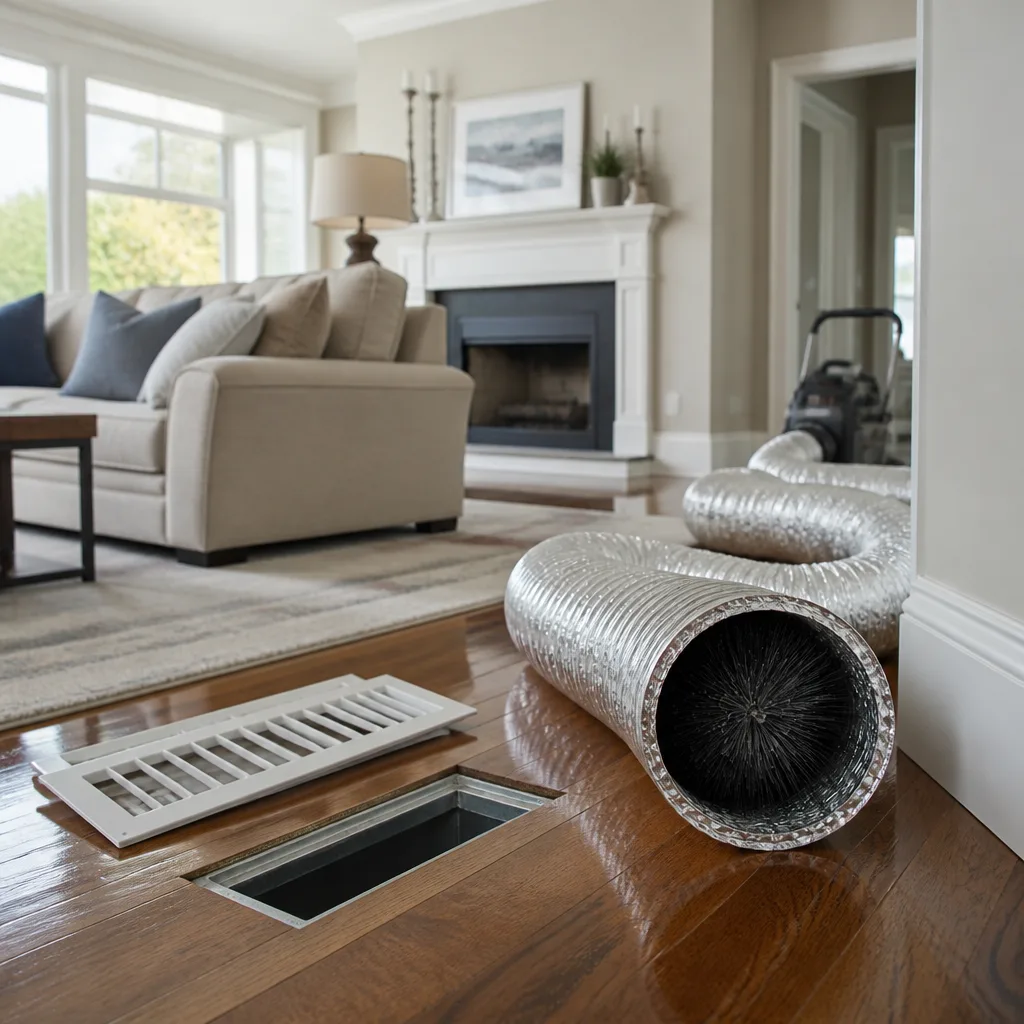 Whole-home duct cleaning
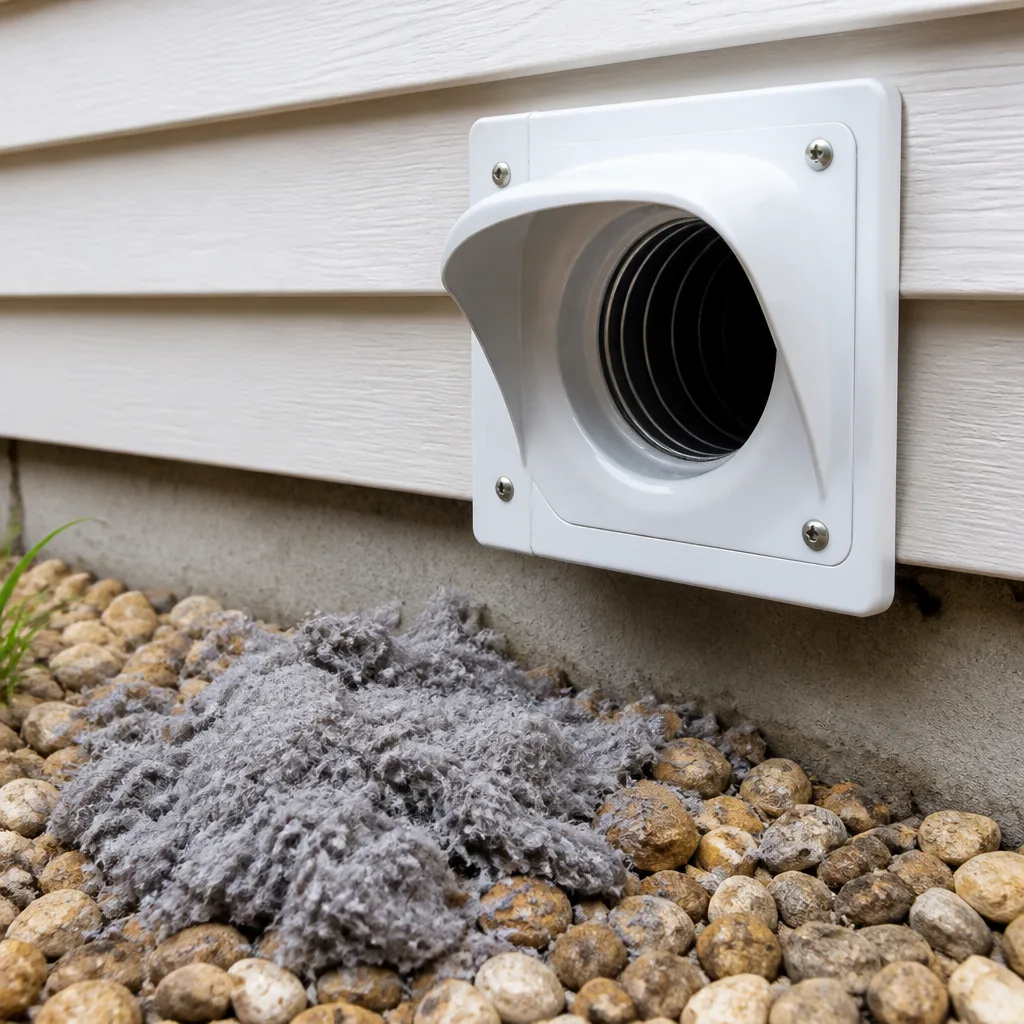 Dryer vent cleaning
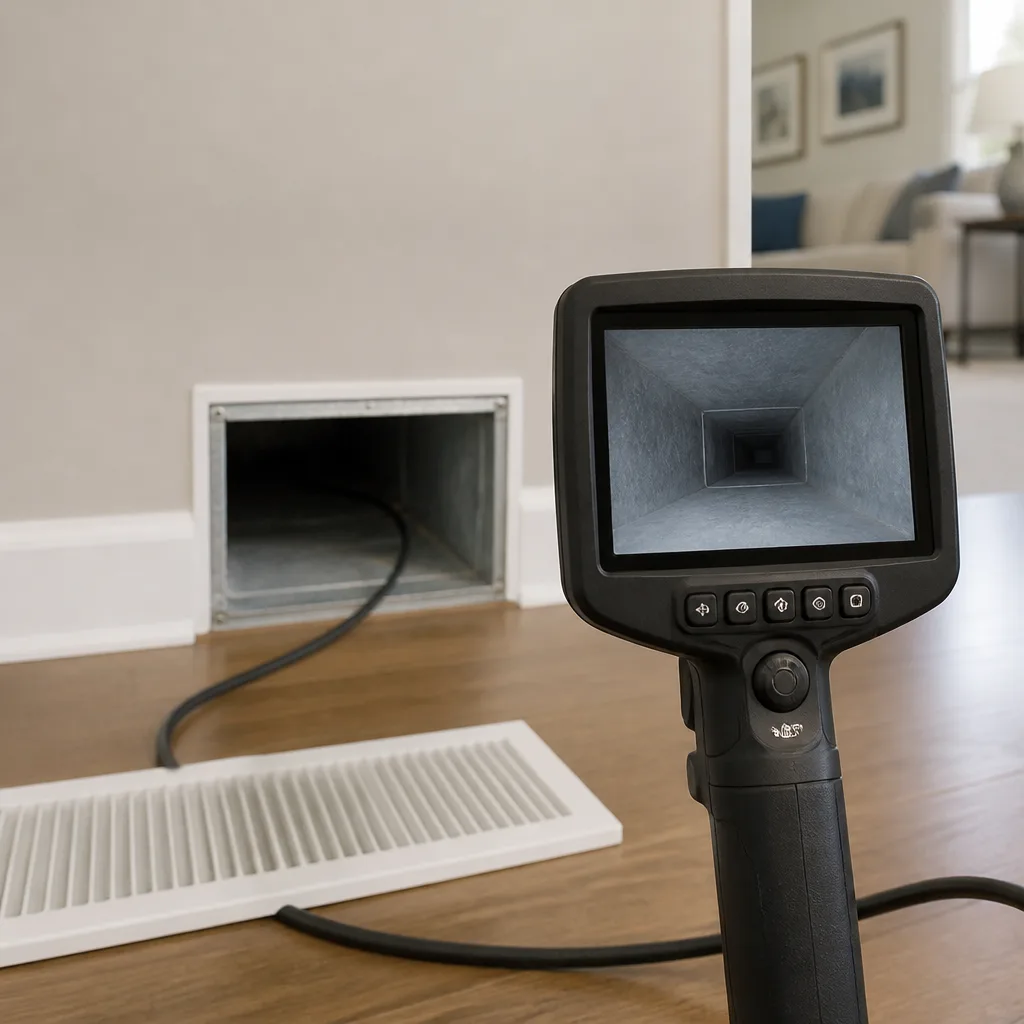 Camera inspection
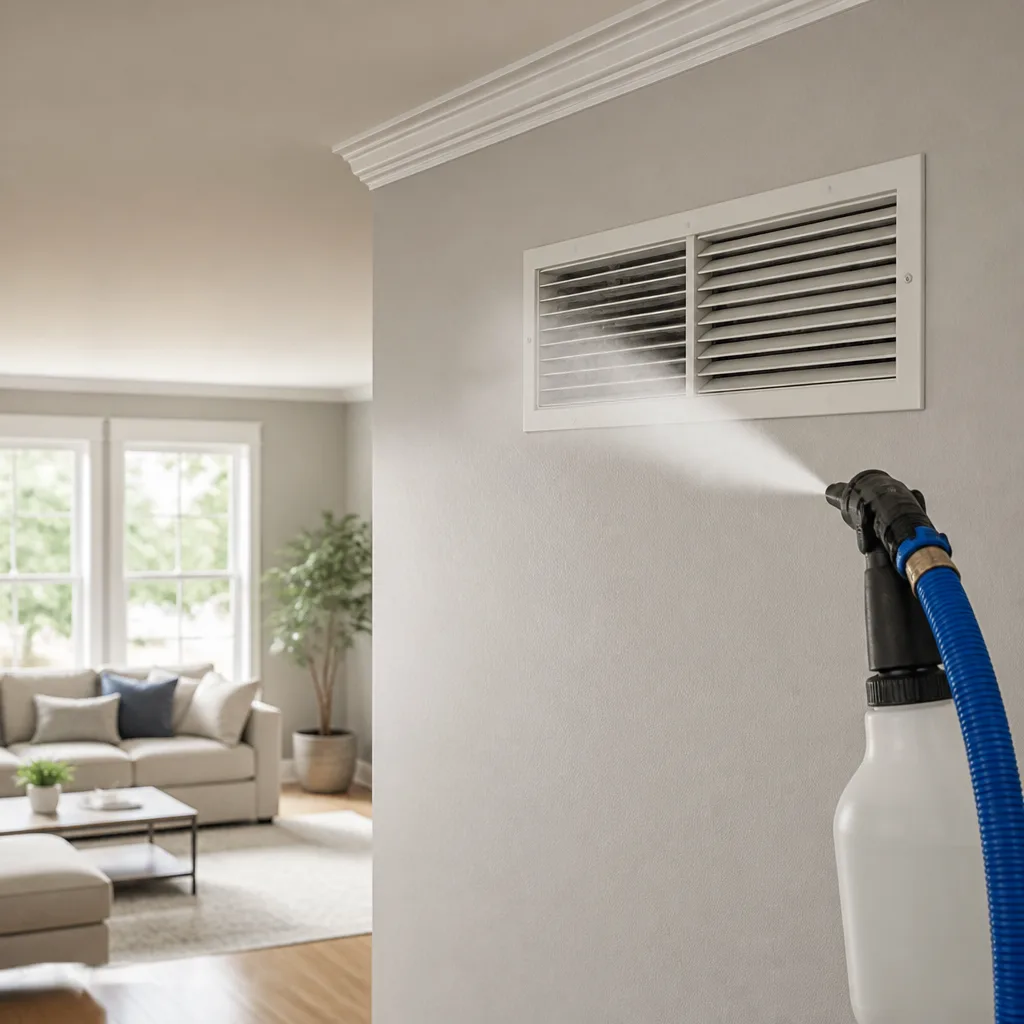 Sanitizing & deodorizing
Whole-system duct and dryer vent check with before-and-after photos - you see exactly what came out of your vents
That "$99 whole-house special" is a bait ad - the real number appears once they are in your hallway, or the "clean" is a shop-vac at the register. We photograph the inside of your ducts before and after instead.
How to Hire an Air Duct Cleaning Contractor in Chino: A Step-by-Step Guide
Most homeowners in Chino don’t realize that California’s contractor licensing system doesn’t actually test for duct cleaning competence. A general contractor with a B license can legally offer duct cleaning without ever demonstrating that they understand airflow, static pressure, or containment. The result is a market where a $99 phone quote becomes a $900 invoice at the door, and the homeowner has no technical reference point to push back. This guide closes that gap. By the end, you’ll know exactly what equipment separates real specialists from opportunists, which five questions force honesty out of any contractor, and how to verify that the work was actually performed to a standard you can see.
Quick Answer
Hiring an air duct cleaning contractor in Chino comes down to verifying three things before you book: the equipment they use (professional negative-air systems like Nikro, not consumer vacuums), their ability to document the work (before-and-after photos of your actual ducts), and whether they can repair what they find without sending you to a subcontractor. Ask for equipment brands by name, require a pre-service inspection, and never accept a price-per-vent quote. A legitimate specialist will describe their process in technical detail and stand behind a single written estimate.
Styles & brands we work with
- Whole-home duct cleaning
- Dryer vent cleaning
- Camera inspection
- Sanitizing & deodorizing
Table of Contents
- Why California Contractor Licensing Isn’t Enough
- What NADCA Certification Actually Requires
- The Five Questions That Reveal Real Equipment
- Red Flags in Phone and Online Quotes
- Why Clean-and-Repair Capability Matters
- What a Legitimate Pre-Service Inspection Looks Like
- The Step-by-Step Hiring Process
- Common Mistakes to Avoid
Why California Contractor Licensing Isn’t Enough
When a Chino homeowner asks whether a duct cleaning company is “licensed,” the answer they get is often technically true but practically meaningless. The California Contractors State License Board (CSLB) issues a general building contractor license (Class B) that covers a broad range of residential work. A company holding that license can legally offer air duct cleaning without having demonstrated any specialized knowledge of HVAC systems, airflow dynamics, or indoor air quality. The license proves they passed a business and law exam and a general construction exam. It does not prove they know how to clean ducts.
This matters in Chino specifically because the housing stock creates conditions where duct cleaning quality is highly variable. Many homes in the city were built during the 1980s and 1990s, and a significant portion have duct systems that have never been properly serviced. Inland Empire summers force air conditioners to run for months at a stretch, pulling unfiltered air through returns that may not have been sealed correctly at the time of construction. A contractor who understands this context approaches the job differently than one who treats every house as a generic cleaning opportunity.
The practical takeaway: when you call a company, don’t ask “are you licensed?” and stop there. Ask what kind of license they hold, and then ask the follow-up questions in the next section. A Class B license is a baseline. It is not a credential for duct cleaning.
What NADCA Certification Actually Requires
NADCA is the National Air Duct Cleaners Association, and it is the closest thing the industry has to a genuine technical standard. Certification through NADCA is not a one-time seminar. It requires passing an exam that covers HVAC system components, airflow, contamination identification, and cleaning methodology. Certified Air Systems Cleaning Specialists (ASCS) must also complete continuing education credits to maintain the credential. When a Chino contractor holds NADCA certification, it means they have demonstrated knowledge of things like negative-pressure containment, source removal, and proper access-point creation.
Here is what NADCA certification does not require: it does not certify the company’s equipment. It certifies the individual’s knowledge. That distinction matters. A company can have one NADCA-certified technician on staff and send uncertified workers to your home. When you ask about certification, ask who specifically holds it and whether that person will be on the job.
Chino homeowners should also understand that NADCA certification is voluntary. Many legitimate duct cleaning companies operate without it, and many companies with the logo on their website do work that does not reflect it. At Duct Cleaning Chino, we recommend treating NADCA certification as one signal among several, not as a substitute for the equipment and process questions outlined below. The certification tells you the company has invested in education. The equipment and process tell you whether that education translates to your ducts.
The Five Questions That Reveal Real Equipment
The single most reliable way to distinguish a legitimate duct cleaning contractor from a handyman with a portable vacuum is to ask about equipment by brand name. Professional duct cleaning requires negative-air machines that create suction strong enough to pull debris from the entire duct system while containing it, not a consumer shop vac connected to a hose. Here are the five questions to ask before you schedule anything:
- “What brand of negative-air equipment do you use?” If the answer is a brand name you recognize from a hardware store, or if the person hesitates, that is your answer. Professional systems from brands like Nikro are built for restoration and commercial work. A company that invested in that equipment will say so immediately and with specificity.
- “Do you use contact cleaning tools or just air agitation?” Air alone loosens some debris, but it does not remove the film that adheres to duct walls. Rotobrush contact-cleaning systems physically scrub the interior surfaces. A contractor who only mentions blowing air through the system is admitting they are not cleaning the ducts; they are stirring dust around.
- “Do you deploy air-filtration equipment during the cleaning to capture displaced particulates?” Proper duct cleaning dislodges material. Without on-site filtration, that material circulates through the living space. Abatement Technologies air-filtration equipment, used in remediation projects, captures particles at the point of disturbance. Most budget crews do not own this equipment because it is expensive and they do not understand why it matters.
- “Will the technician inspect the full duct system before providing a final price?” The only honest way to quote duct cleaning is after seeing the system. Pre-set pricing based on square footage or number of vents is a guess. A company that will not commit to an inspection before the final quote is planning to find reasons to raise the price.
- “What happens if you find damaged ductwork during the cleaning?” This question reveals whether the company can actually serve your system. If the answer involves a second company or a separate visit, you are dealing with a cleaner that does not repair. Duct systems in older Chino homes frequently have leaks, separated joints, or crushed sections. A company that cannot fix what it finds leaves you with a clean duct that still leaks.
Red Flags in Phone and Online Quotes
The phone quote is where most bait-and-switch duct cleaning operations in Chino do their work. The pattern is consistent: a low price is quoted based on the number of vents, and then the technician “discovers” mold, debris, or animal intrusion that requires additional charges. Understanding the red flags in advance protects you from the moment of pressure.
The most common red flag is the price-per-vent model. Legitimate duct cleaning companies price by the system, because the work required depends on the total duct volume, the level of contamination, and the accessibility of the system. When a company quotes “$25 per vent,” they are not describing a technical process. They are describing a sales tactic. The number of vents in your home has almost no relationship to the time and equipment required to clean the duct system properly. A 10-vent house with heavily contaminated returns can take longer to clean than a 20-vent house with a clean system.
Another red flag is the absence of any mention of negative pressure. Duct cleaning is fundamentally a containment process. The work does not count as cleaning unless the debris is pulled out of the system and captured, not pushed through the living space. If a company’s website and phone representative never mention negative pressure, containment, or filtration, they are describing a different service than the one you need.
Reluctance to describe equipment by brand is the third red flag. A company that owns professional equipment is proud of it and will mention it without prompting. Nikro, Rotobrush, and Abatement Technologies are significant investments. If the person on the phone cannot name the equipment they use or hedges when asked, assume the equipment is a consumer-grade vacuum and price the quote accordingly.
Why Clean-and-Repair Capability Matters
Here is a fact about duct systems that most dryer vent cleaning and budget duct companies will not tell you: the cleaning process often reveals damage that was invisible before. A separated joint behind a wall, a crushed return line under a slab, a boot that has pulled away from the subfloor. These defects existed long before the cleaning started, but they only become visible when the system is opened and inspected.
When a cleaning-only company finds damage, they have two options. They can ignore it and finish the job, leaving the homeowner with a system that is clean but still leaking. Or they can recommend a repair contractor, which means the homeowner now has to research a second company, schedule a second visit, and manage the accountability between two parties who may disagree about what caused the problem. Neither outcome serves the homeowner well.
We built our process around the reality that cleaning and repair are part of the same job. Air duct repair is a core service for us, not an add-on. When our technicians find damage during the inspection or cleaning, we can address it on the same visit, with the same equipment, under the same accountability. You do not have to coordinate between contractors, and you do not have to worry about one company blaming the other for incomplete work. Your air system gets fully serviced, which is the only outcome that makes sense when you have paid for a specialist to look at it.
What a Legitimate Pre-Service Inspection Looks Like
A pre-service inspection is where the professional separates from the opportunist. The inspection should happen before the final price is set, and it should involve more than a visual glance at a return vent. Here is what a legitimate inspection includes:
- Access to the supply and return plenums: The technician needs to see where the ducts connect to the air handler. If they only look at vent covers, they are not inspecting the system.
- Observation of the blower compartment and coil: Dust accumulation on the blower or evaporator coil changes the cleaning approach and should be noted before work starts.
- Assessment of duct material and condition: Flex duct, rigid sheet metal, and fiberboard all require different cleaning methods. Damage to any of them changes the scope of work.
- Identification of access points: Professional cleaning requires creating access holes in the ductwork at strategic locations. The inspection should include where those holes will be cut and how they will be sealed afterward.
- Photographic baseline: A legitimate contractor photographs the system before cleaning. Those photos are the reference point for the after-photos you should receive.
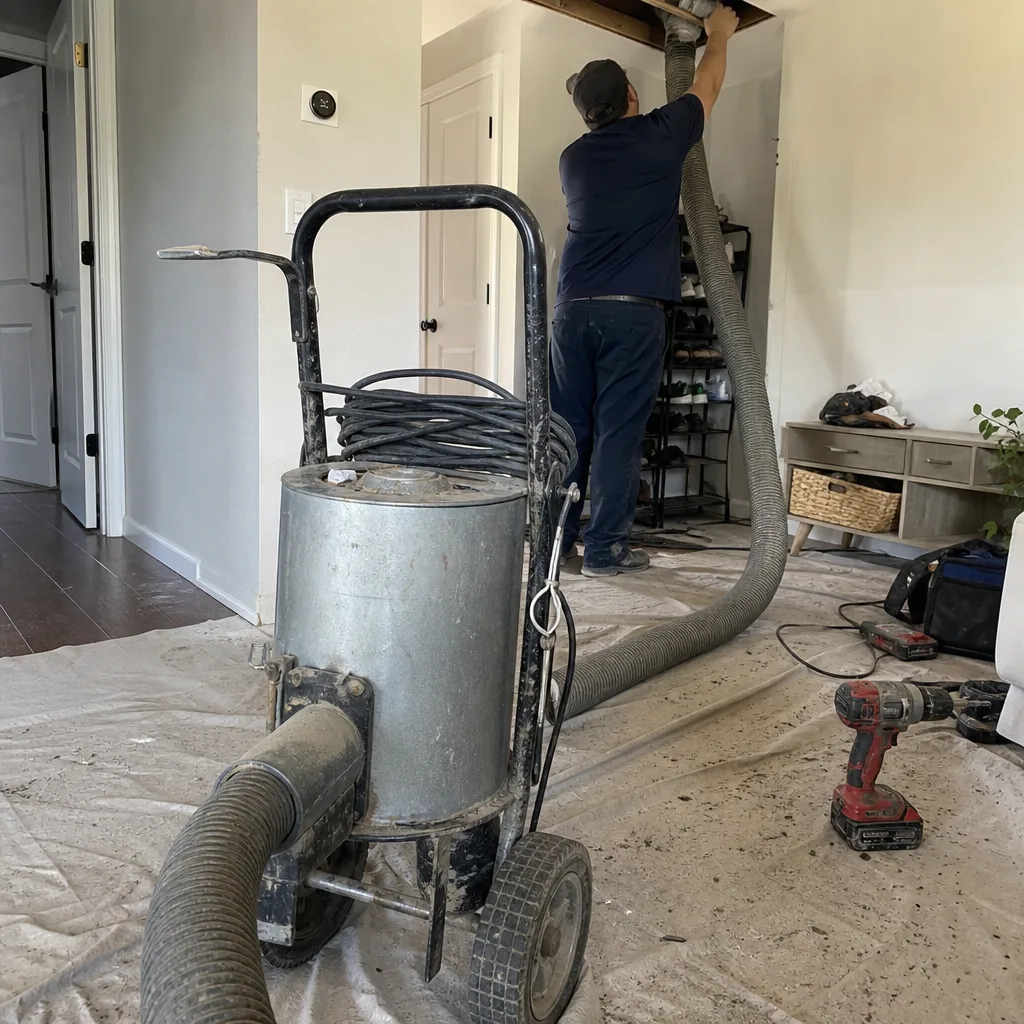
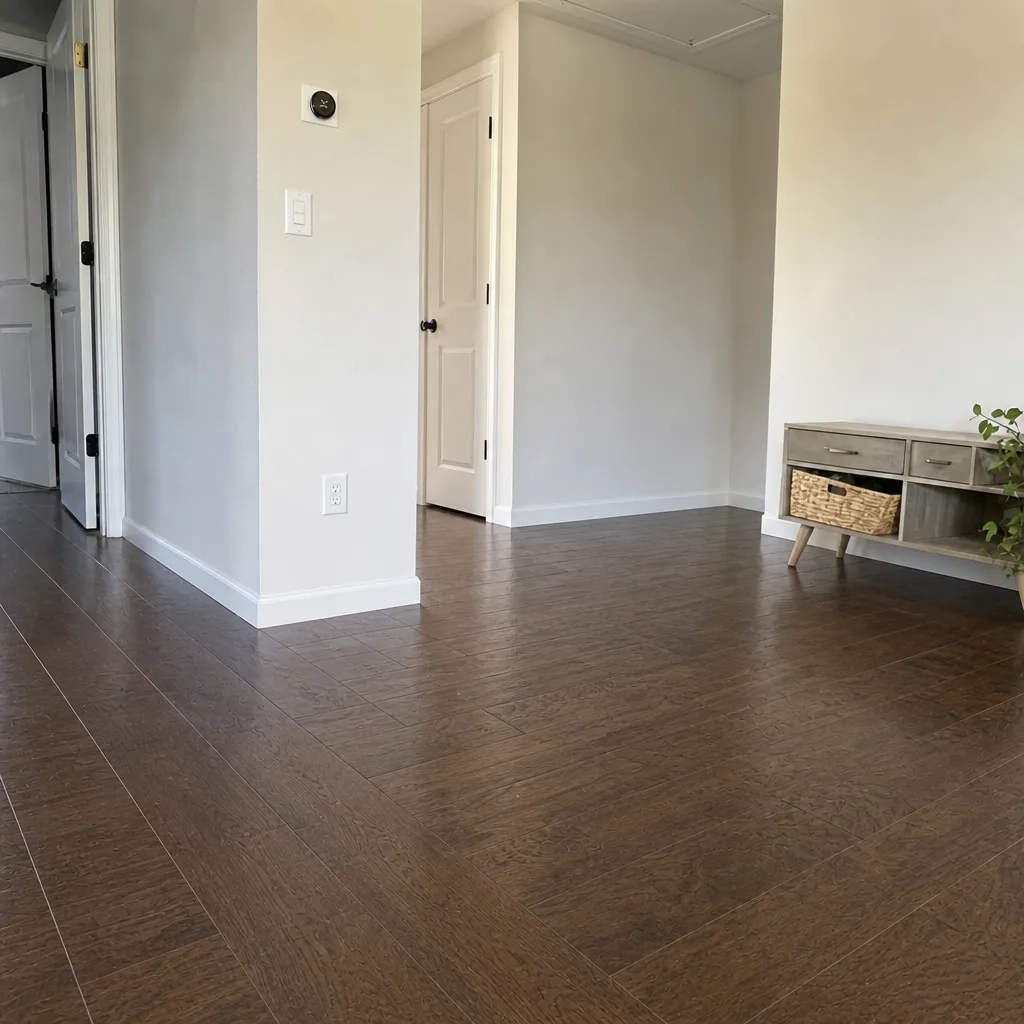
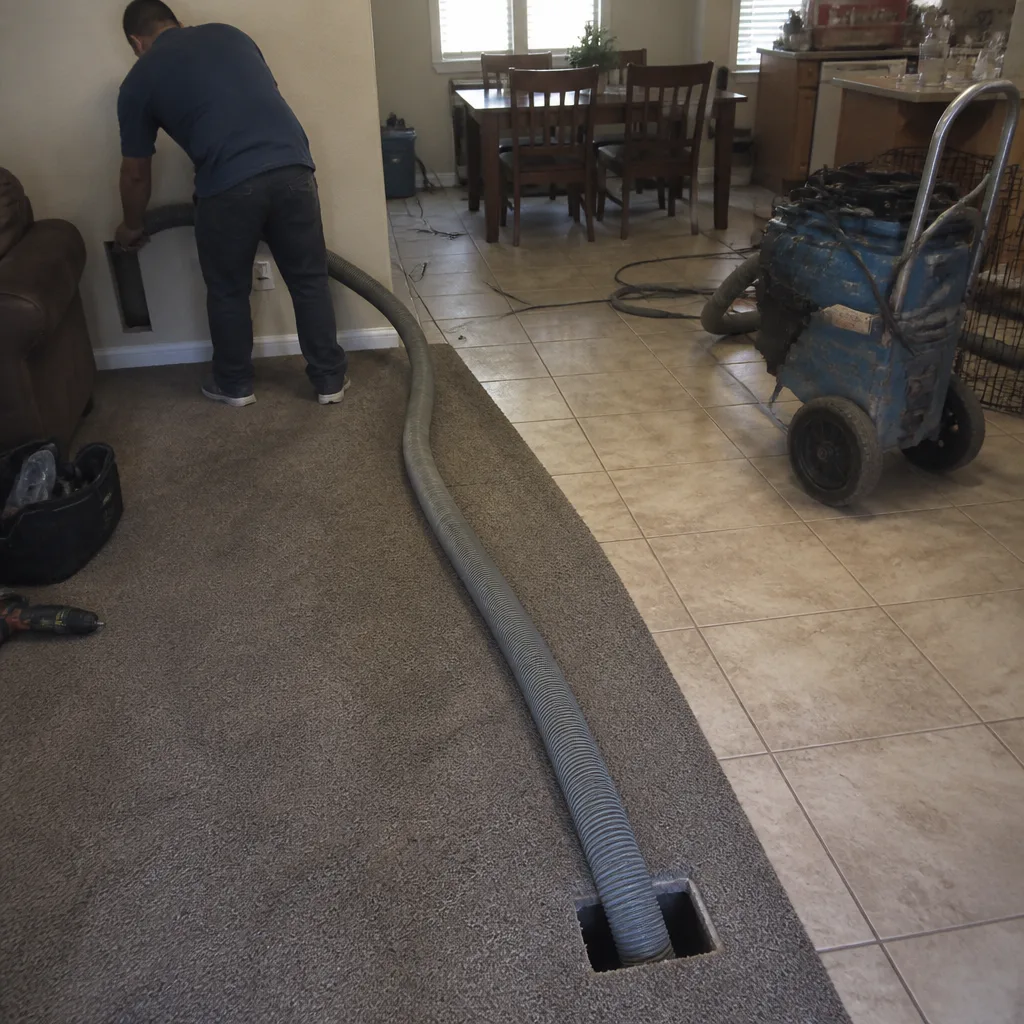
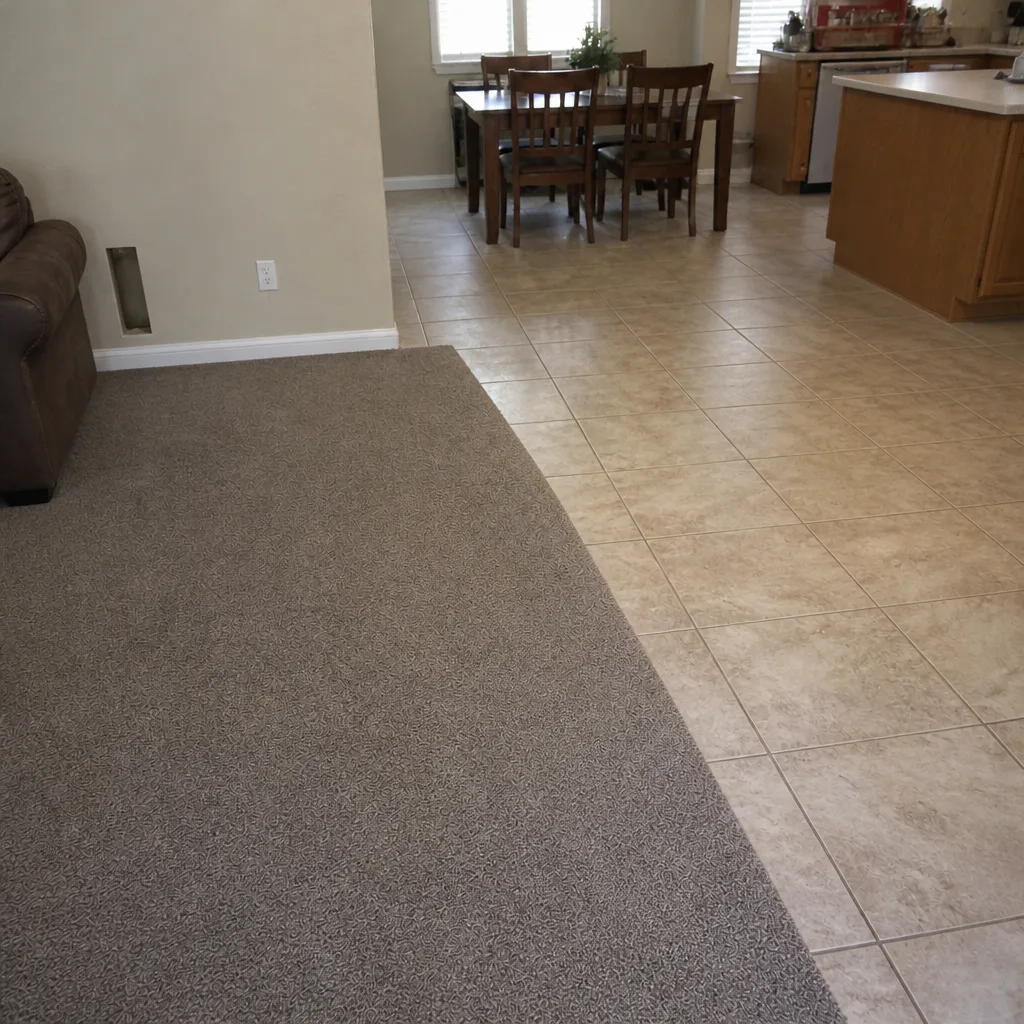
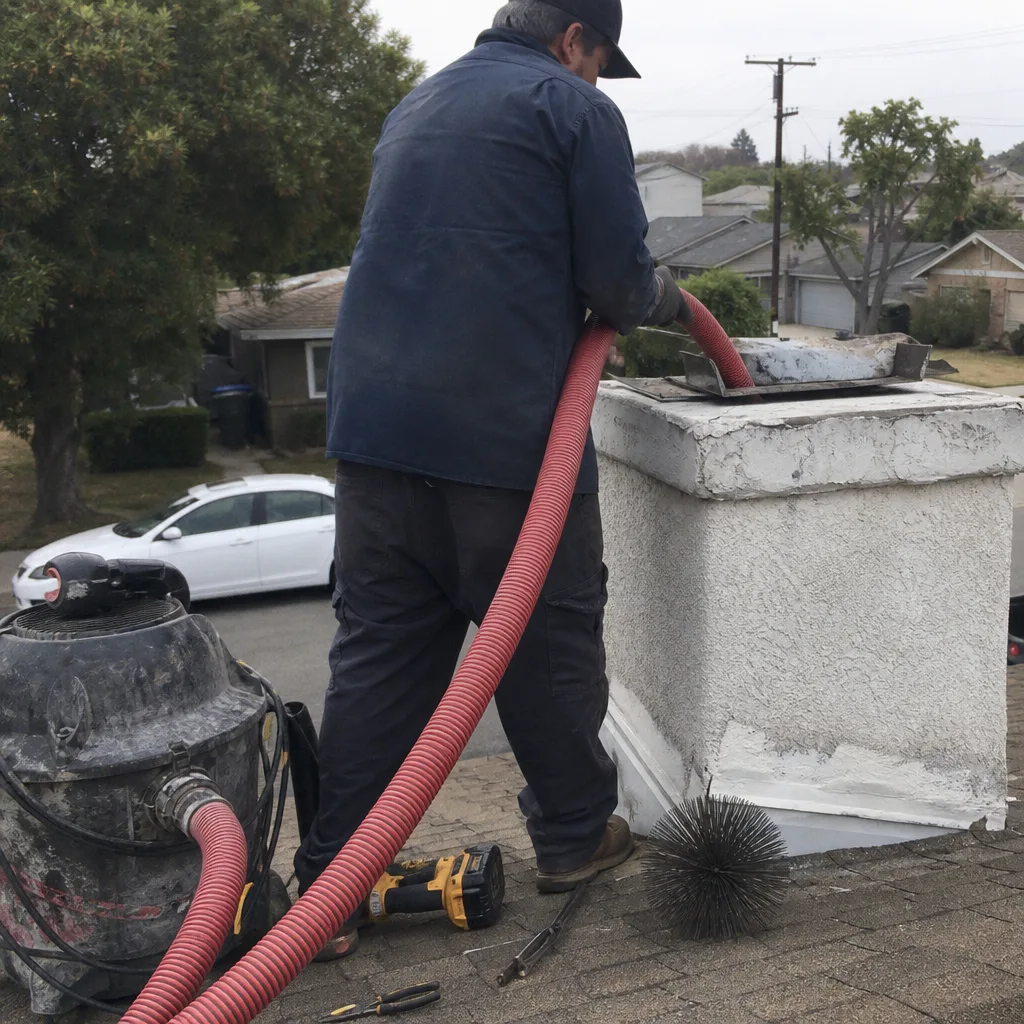
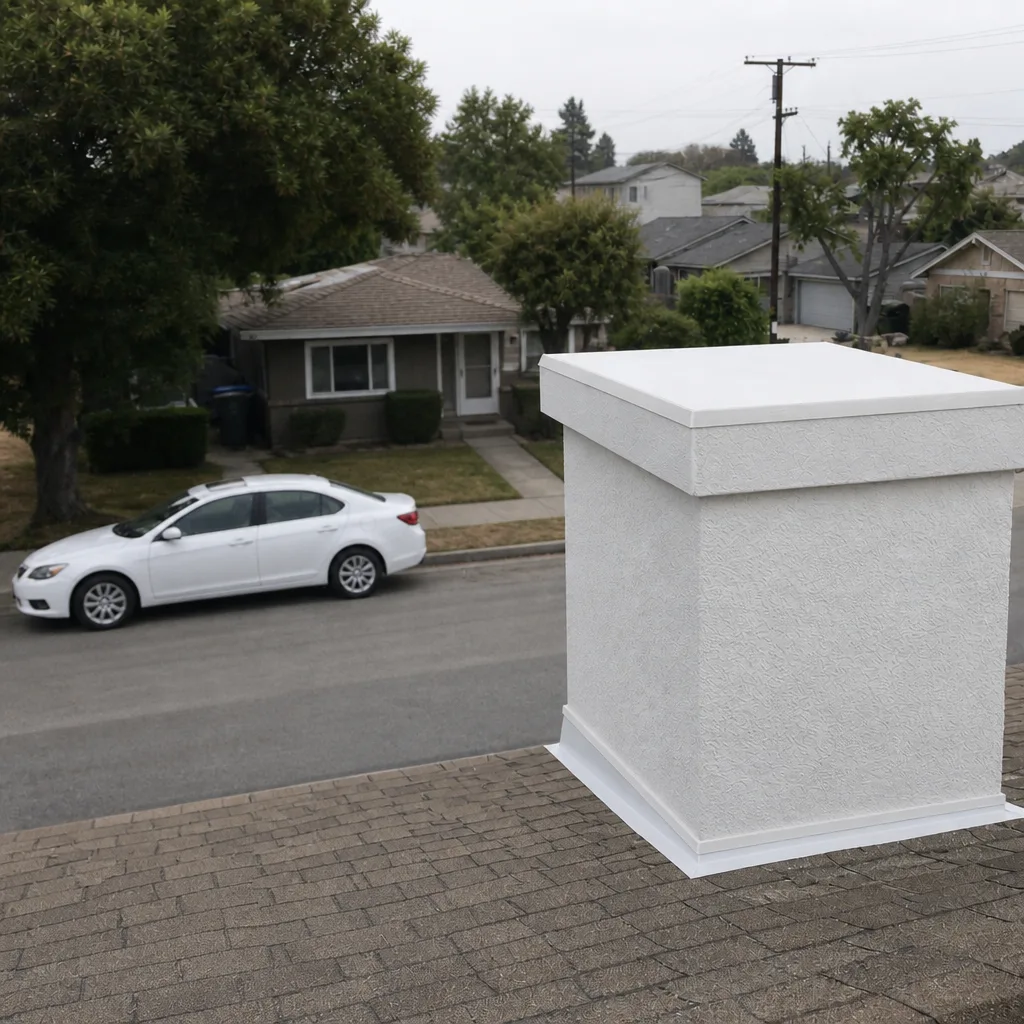
After the job, you should receive documentation that includes before-and-after photographs of your actual duct system, not stock images. The photos should show the same location before and after cleaning. If a company cannot show you what your ducts looked like before they started, they cannot prove they cleaned them. We provide this documentation as a standard part of every job because it is the only honest way to verify the work.
The Step-by-Step Hiring Process
Here is the hiring process we recommend to Chino homeowners, in order:
- Compile a shortlist of three companies. Look for companies that clearly state their equipment brands and their service scope. Eliminate any company that does not mention negative pressure, containment, or filtration anywhere on their site.
- Call each company and ask the five questions from this guide. Take notes. The company that answers with specificity and without hedging is your frontrunner.
- Request a pre-service inspection before accepting any price. A company that will not inspect before quoting is planning to adjust the price during the job. Decline the quote.
- Review the written estimate. It should describe the scope in technical terms: which parts of the system will be cleaned, what equipment will be used, how access holes will be created and sealed, and what documentation you will receive.
- Confirm repair capability. Ask directly: “If you find damaged ductwork, can you repair it on the same visit?” If the answer is no, decide whether you are comfortable managing two contractors.
- Verify insurance and license details. Ask for the CSLB license number and check it against the CSLB website. Confirm the company carries liability insurance that covers the work being performed.
- Schedule the service. A legitimate duct cleaning takes several hours for a typical single-family home. A company that promises to be done in under two hours is not doing the work described in this guide.
Common Mistakes to Avoid
- Accepting a price-per-vent quote. This pricing model has no relationship to the work required and is the most reliable predictor of an upsell attempt at the door.
- Skipping the equipment questions. Asking about equipment feels awkward, but a contractor who is proud of their investment will answer enthusiastically. A contractor who is not will reveal that in their hesitation.
- Trusting a license check as a quality signal. CSLB licensing proves business legitimacy. It says nothing about duct cleaning competence. Treat it as a baseline, not a credential.
- Scheduling without a pre-service inspection. An inspection-first process protects both parties. The contractor sees the scope, and you get an honest price. Skipping it invites surprises.
- Choosing the lowest quote. Duct cleaning is a containment process that requires expensive equipment and trained operators. The lowest quote almost always means the most expensive equipment is absent.
- Not asking for after-photos. If a company cannot show you what your ducts looked like after the job, they cannot prove anything was cleaned. Documentation is not optional.
- Accepting a cleaning-only scope when repairs are needed. A clean duct that leaks is still a problem. Confirm repair capability before you book.
See the difference
 Before
 After
 Before
 After
 Before
 After
When to Call a Professional
Visible dust on vent covers, musty odors when the AC runs, and rooms that never seem to reach the set temperature are all signals that the duct system needs professional attention. If you have recently completed a renovation in Chino, drywall dust and construction debris may have settled throughout the system. If your dryer is taking longer than it used to, the vent may need dryer vent cleaning as a standalone service. If you are seeing unexplained energy bills or family members are experiencing respiratory irritation that improves away from home, the ducts are a reasonable place to look. Duct Cleaning Chino offers free estimates in Chino. Call (844) 789-0415 and we will inspect your system before we quote anything.
Frequently Asked Questions
There is no flat rate that applies to every Chino home, because the cost depends on the size of the system, the level of contamination, and the condition of the ductwork. A legitimate estimate is based on a pre-service inspection, not a per-vent price. Call (844) 789-0415 for a free estimate, and expect the final price to come from a written scope of work after the inspection.
Cheaper quotes usually mean cheaper equipment and a narrower scope. A company using a portable consumer vacuum cannot create the negative pressure required to pull debris from the full duct system. They are also less likely to deploy on-site filtration, which means displaced debris can re-enter the living space. When the quote is significantly lower, the most expensive components of a legitimate job have been removed from it.
Ask for before-and-after photographs of your actual duct system, not stock images. A legitimate contractor photographs the system before starting, completes the cleaning, and photographs the same locations afterward. If the company cannot provide that documentation, you have no way to verify the work. That is a reason to choose a different contractor.
A Class B general building license allows a company to offer duct cleaning legally, but it does not verify any specific competence in HVAC systems or duct cleaning methodology. The CSLB tests general construction knowledge. It does not test negative-pressure cleaning, containment, or airflow. Ask about NADCA certification and equipment brands to get past the license question.
For most Chino homes, every three to five years is a reasonable interval, though homes with pets, recent renovations, or residents with respiratory conditions may benefit from more frequent service. The duct system should be inspected first. If the inspection shows significant accumulation, schedule a cleaning. If it does not, wait another year.
Not all of them. Many cleaning-only companies will refer damage to a separate contractor, which leaves you coordinating accountability between two parties. At Duct Cleaning Chino, air duct repair is a core service, so damage found during the cleaning can typically be addressed on the same visit. Ask any contractor you are considering whether they can repair what they find before you book.
The Bottom Line
Hiring a duct cleaning contractor in Chino does not have to feel like a gamble. The difference between a real specialist and a crew with a consumer vacuum is visible in the equipment they name, the process they describe, and the documentation they provide. Ask for brands. Require an inspection before the quote. Confirm repair capability. Verify certification and licensing, but do not mistake either for a guarantee of quality. A contractor who can answer specific technical questions is a contractor who has invested in the equipment and training to do the work properly.
Written by the team at Duct Cleaning Chino, serving Chino since 2018.