
Last updated November 4, 2026
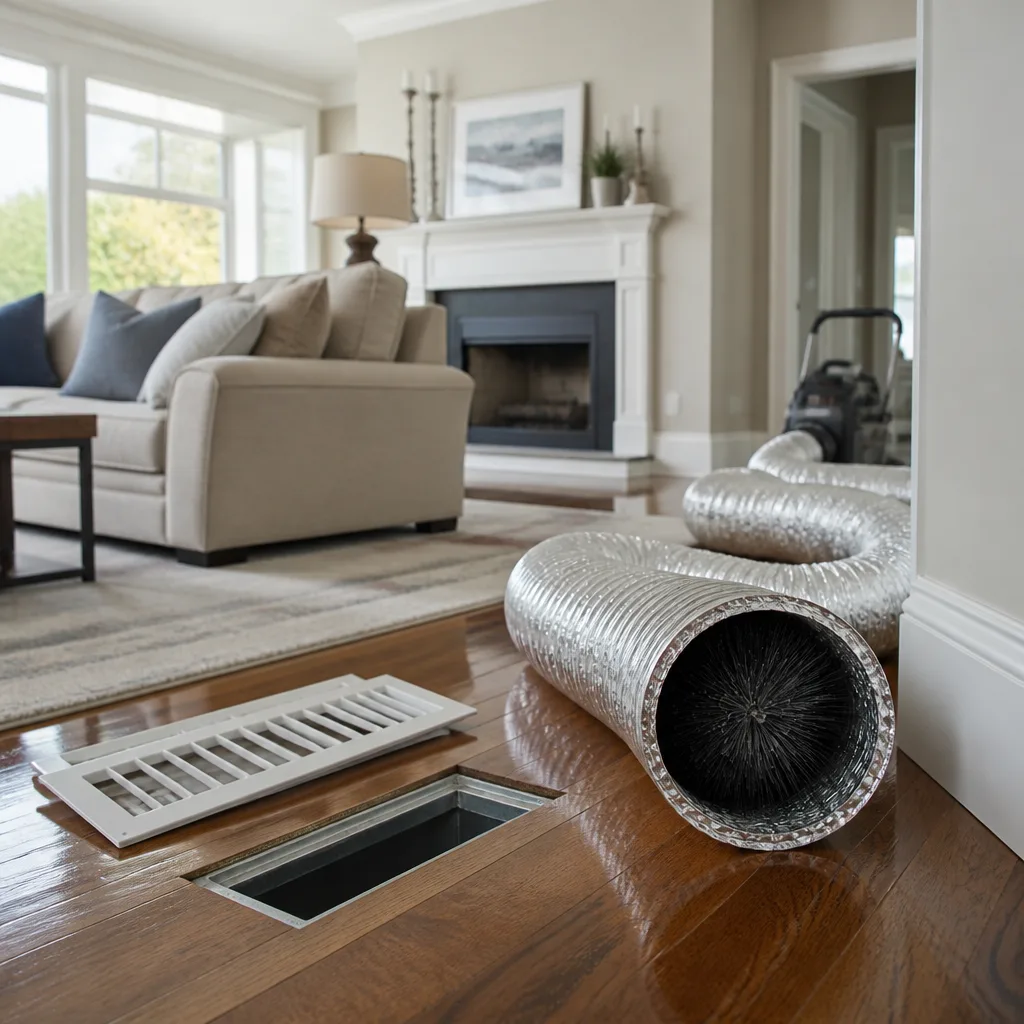 Whole-home duct cleaning
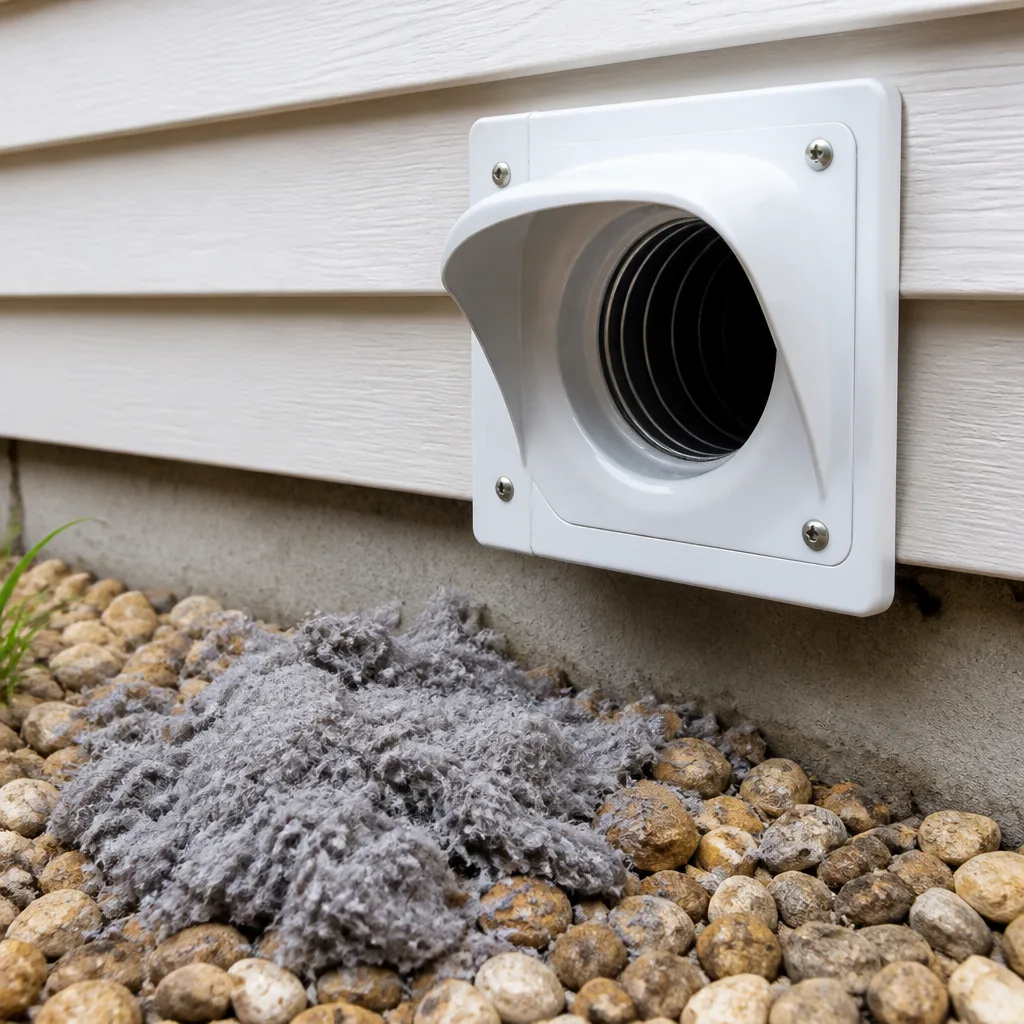 Dryer vent cleaning
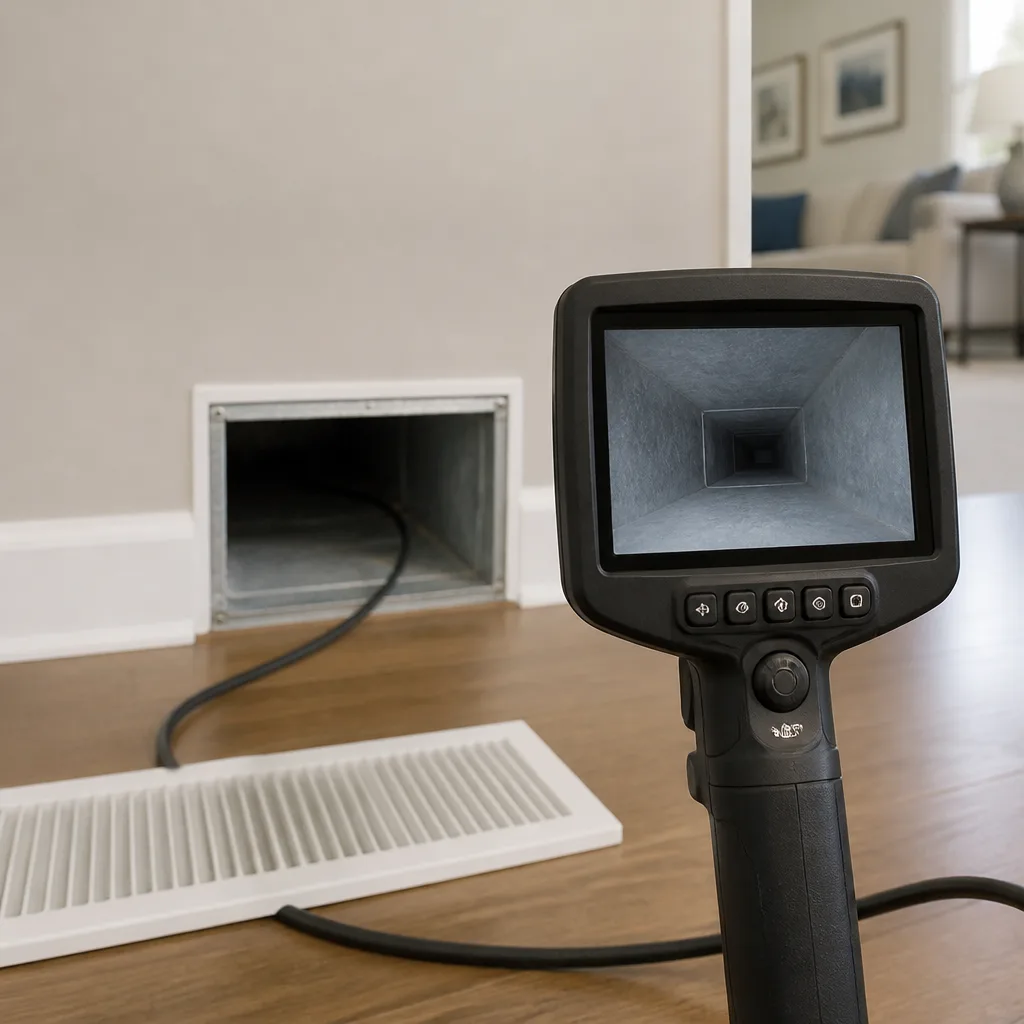 Camera inspection
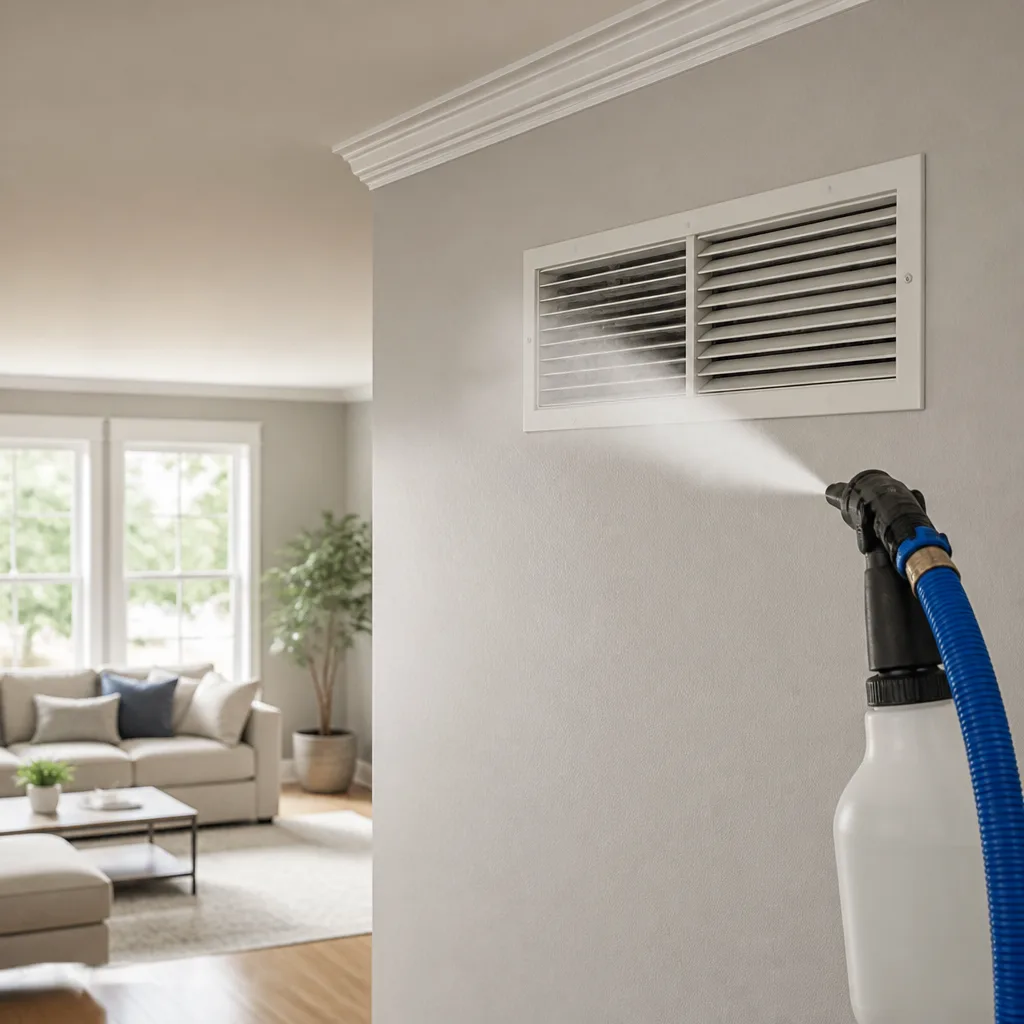 Sanitizing & deodorizing
Whole-system duct and dryer vent check with before-and-after photos - you see exactly what came out of your vents
That "$99 whole-house special" is a bait ad - the real number appears once they are in your hallway, or the "clean" is a shop-vac at the register. We photograph the inside of your ducts before and after instead.
The Complete Guide to Air Duct Cleaning in Chino
The EPA does not recommend air duct cleaning on a routine schedule. Read that sentence again, because it surprises most homeowners. The agency’s position is that ducts should be cleaned when they’re actually contaminated, not as a calendar-driven chore. Yet Chino’s air quality data consistently ranks among the worst in San Bernardino County, and that changes the calculus entirely for homes here. This guide explains what actually happens inside Chino ductwork specifically, how inland heat, wildfire smoke migration, and tract-home construction create contamination patterns you won’t find in coastal California properties, and how to tell the difference between a cleaning done right and a marketing pitch with a vacuum attached.
Quick Answer
Air duct cleaning in Chino is worth considering when you can see dust buildup around supply registers, smell stale air when the system runs, have completed a renovation, or live with allergies that worsen indoors. A legitimate cleaning uses professional negative-air equipment to capture contaminants at the source, not a truck-mounted blower or a consumer vacuum. Expect a thorough inspection before any cleaning happens, and expect the company to show you what’s inside your ducts so you know the work is real. Duct Cleaning Chino offers free estimates at (844) 789-0415.
Styles & brands we work with
- Whole-home duct cleaning
- Dryer vent cleaning
- Camera inspection
- Sanitizing & deodorizing
Table of Contents
- Why Chino’s Air Makes Duct Cleaning Different
- What Actually Collects in Chino Ductwork
- Sheet Metal vs. Flex Ducts: Why the Difference Matters
- How Professional Duct Cleaning Works
- Why Inspection Comes Before Cleaning
- How to Verify the Cleaning Was Done Properly
- Common Mistakes to Avoid
- When to Call a Professional
- Frequently Asked Questions
Why Chino’s Air Makes Duct Cleaning Different
Chino sits inside the Inland Empire air basin, a geographic bowl bounded by mountain ranges on three sides. When warm air rises off the valley floor, it creates inversion layers that hold particulate matter close to the ground. The result is air that hangs around instead of blowing through. Your HVAC system pulls that air into the house, filters a portion of it, and recirculates what remains through the same ductwork dozens of times per day.
What makes this different from coastal California is the composition of the particulates. Coastal properties deal mostly with moisture and salt air. Chino homes deal with a dry, fine dust made up of decomposing granite from the surrounding hills, tire and brake wear from Highway 60 and the 71, agricultural dust from remaining dairy operations in the Chino Valley, and, increasingly, smoke particles from wildfires that drift across the Inland Empire during late summer and fall. Wildfire smoke carries not just ash but microscopic carbon particles and volatile compounds that settle into duct insulation and return-air plenums. After a bad fire season, homes across Chino, Ontario, and Eastvale show the same pattern: a dark, fine residue inside return ducts that doesn’t resemble ordinary household dust at all.
The local climate adds another layer. Chino summers routinely hit the high 90s, which means your air conditioner runs hard for months. That constant air movement carries dust through the return side of the system continuously. Winter is mild, and many Chino homeowners run the fan in “on” mode rather than “auto” during shoulder seasons, which can double or triple the volume of air moving through ducts that may already be carrying years of accumulated dust.
What Actually Collects in Chino Ductwork
Before deciding whether duct cleaning makes sense for your home, it helps to understand what you’re likely to find inside the system. In our experience across Chino homes, the accumulation falls into predictable categories:
- Fine mineral dust. Chino’s surrounding terrain and the frequent Santa Ana wind events produce an extremely fine dust that passes through standard 1-inch fiberglass filters without much resistance. It settles in low-velocity areas of the duct system: return drops, plenums, and elbows.
- Pet hair and dander. Homes with indoor dogs and cats generate a constant supply of hair that bypasses filters and clings to duct interiors, especially in flex duct where the inner liner creates friction.
- Renovation debris. Many Chino neighborhoods include homes built in the 1970s and 1980s that are now being remodeled. Drywall dust, paint overspray, and flooring particulates get pulled into return ducts during construction and sit there until someone removes them.
- Smoke residue. Whether from wildfire season or cooking, smoke particles are small enough to embed in the fiberglass lining of older ductwork. The odor can linger for years after the source is gone.
- Biological growth. In rare cases, where a condensate drain clogs or a bathroom fan was improperly vented, moisture inside ducts creates conditions where mold can establish. This is not common in Chino’s dry climate, but it does occur in specific homes.
The important distinction is this: dust is normal. Contamination is not. A thin layer of dust in a return duct after years of service is typical. A thick accumulation that restricts airflow, a visible coating that smells when the system runs, or evidence of rodent activity are all signs that cleaning is justified.
Sheet Metal vs. Flex Ducts: Why the Difference Matters
Chino’s housing stock spans several construction eras, and each used different duct materials. Understanding what’s in your home matters because the cleaning method should change accordingly.
Sheet metal ducts appear most often in homes built before about 1990, and also in the commercial spaces that make up a significant share of Chino’s commercial real estate. Sheet metal is rigid, rectangular or round, and handles aggressive cleaning methods well. A Rotobrush contact-cleaning system, for instance, uses rotating brushes that physically scrub the interior surface of the metal. That level of mechanical agitation removes stubborn debris that air pressure alone would leave behind. Sheet metal also tolerates negative-air equipment well because the rigid structure doesn’t collapse under suction.
Flex ducts are far more common in Chino tract homes built from the 1990s onward. Flex is a wire-reinforced plastic or foil tube wrapped in insulation. It’s cheaper to install and easier to route through attics. But it’s also more delicate. Aggressive brushing can tear the inner liner or separate the wire coil. For flex ducts, the right approach uses a combination of moderate air pressure and softer contact tools, with the system under negative air so any dislodged dust is pulled to the collection point rather than blown into the living space. A contractor who uses the same aggressive method on flex that they use on sheet metal is guessing, not specializing.
Most Chino homes have a mix. The main trunk lines might be sheet metal with flex branches running to individual rooms. A proper cleaning accounts for both materials in the same house.
How Professional Duct Cleaning Works
Here’s the process we follow when we clean ducts in Chino homes, step by step:
- System walkthrough. We start by inspecting the HVAC equipment, the return grilles, the supply registers, and the accessible duct runs. We look for airflow issues, visible contamination, disconnected sections, and the condition of the filter.
- Camera inspection. Before any cleaning begins, we put a camera into the duct system. You should be able to see the inside of your ductwork on a screen before we touch anything. This is the “see what’s in your ducts before we start” step, and it establishes a baseline.
- Filter and furniture protection. We use Guardsman-brand protective products to shield flooring and seal off the work area from the rest of the house. The goal is zero debris migration into your living space.
- Negative-air setup. We connect the supply side of the system to Nikro negative-air equipment, which creates a vacuum inside the ductwork. This equipment is the same class used by restoration contractors on remediation jobs. As we work downstream, every particle released gets pulled toward the collection unit instead of entering the room.
- Source removal. We use Rotobrush contact-cleaning tools on each branch line. For sheet metal, this means rotary brushing. For flex, it means a gentler but still effective method suited to the material. The entire system operates under negative pressure, so the cleaning is a capture process, not a redistribution process.
- Register and grille cleaning. Each supply register and return grille is cleaned and reinstalled. This is a small detail, but reattaching a dirty grille to a clean duct immediately reintroduces contamination.
- Filter check. After the cleaning, we confirm the filter is clean and correctly sized. We can supply Honeywell filtration products for homes that would benefit from a higher-efficiency filter.
- Post-cleaning inspection. A second camera pass shows the result. You see the same ductwork, before and after, on the same screen. No guessing.
The equipment distinction matters more than most homeowners realize. Truck-mounted blowers are powerful but they often don’t include true HEPA-level filtration on the exhaust side. A portable negative-air machine, properly connected, captures what it removes. The professional-grade tools are the difference between cleaning your ducts and relocating dust from one part of the house to another.
Why Inspection Comes Before Cleaning
Any company that quotes a duct cleaning over the phone without seeing the system is guessing at the price and the scope. Duct systems in Chino homes vary enormously. A 3-bedroom tract home from the 2000s might have 12 supply runs and 2 returns. A custom home from the 1980s with an addition might have 20 runs, a second system, and ductwork that was partially replaced during a remodel. Those are different jobs.
Inspection-first also prevents contamination from being redistributed rather than removed. If there’s a disconnected duct section in the attic, running a cleaning system through it will blow dust into the attic air, which then cycles back through the house through attic vents and air leaks. If a return plenum has a large gap at the platform, the negative air won’t pull properly and debris will escape into the living space. These conditions are visible during inspection and fixable before the cleaning starts. Air duct cleaning without an inspection is just air movement.
And because we also perform air duct repair, what we find during that inspection can be addressed on the same visit. A crushed flex run, a disconnected boot at a supply register, a leaking return chamber: these are common findings in Chino homes, and they directly impact both indoor air quality and system efficiency. We clean it and, if needed, fix it. No second contractor, no second appointment, no gap between identifying a problem and solving it.
How to Verify the Cleaning Was Done Properly
This section is written for homeowners who want to hold any duct cleaning company to a standard. Here are the specific checks you can perform yourself after the crew leaves:
- Look inside a register. Remove one or two supply registers and use a flashlight to look down the duct as far as you can see. The interior surface should look different than it did before. The difference should be obvious, not subtle.
- Run your finger across the inside of the register boot. This is the metal or plastic collar mounted in the floor or ceiling where the register attaches. It should be clean. If it’s still coated with dust, the crew likely didn’t clean to the register, which means the cleaning was superficial.
- Check the return grilles. These are the larger grilles where air enters the system. They should be removed, cleaned, and reinstalled. Look for dust accumulation on the back side of the grille. If it’s still there, the grille cleaning was skipped.
- Ask for before-and-after photos. Any credible duct cleaning company can provide camera images from before and after the work. This should be a standard deliverable, not an extra you have to request.
- Examine the area around the furnace or air handler. The floor and surrounding surfaces should be clean. Professional crews use containment and protection to prevent dust from spreading. If your utility closet or garage is dustier after the cleaning, something went wrong.
- Turn on the system and listen. The airflow should sound smooth. New rattling or whistling can indicate a filter installed wrong, a register not seated, or a duct connection disturbed during cleaning.
These checks take fifteen minutes and they separate a legitimate service from a crew that spent an hour moving air around without removing much of anything.
Common Mistakes to Avoid
- Choosing the cheapest bid without asking about equipment. Low-bid duct cleaning in Chino often means a truck-mounted blower with no negative-air capture system and no camera inspection. You save a little money and get a service that doesn’t remove contamination at the source.
- Cleaning on a fixed schedule without evidence. The EPA’s position is clear: clean when the system is contaminated, not on a routine timetable. If a company pushes an annual cleaning plan without showing you what’s inside your ducts, be skeptical.
- Ignoring the dryer vent. Dryer vent cleaning is a separate service that addresses a leading cause of residential dryer fires. Homeowners think about HVAC ducts and neglect the dryer vent, even though lint accumulation is measurable within a year in most Chino homes. Dryer vent cleaning should be part of the same conversation.
- Assuming a new filter means clean ducts. The filter protects the equipment, not the ducts. A clean filter doesn’t remove dust already accumulated downstream, and it certainly doesn’t clean the return side of the system.
- Not asking about repair capability. A duct cleaning company that can’t repair what it finds leaves you with a report and a handoff. Ask whether the company can fix a disconnected run or replace a crushed section on the same visit.
- Accepting a quote without a visual inspection. A company that quotes by square footage alone hasn’t seen your duct layout, your access points, or the condition of the system. The written estimate should reflect what’s actually there.
- Using a consumer-grade vacuum or hiring a handyman with a shop vac. Shop vacs and consumer vacuums cannot create the sustained negative pressure needed to pull debris from a full duct system. What they can do is agitate dust and release it back into the house. Professional-grade equipment exists for a reason.
When to Call a Professional
Call a duct cleaning specialist if you see visible dust around supply registers despite regular filter changes, smell a stale or dusty odor when the system runs, have completed a renovation that produced drywall dust or paint overspray, or notice that allergy symptoms improve when you leave the house and worsen when you return. If your dryer takes noticeably longer to dry a load than it did a year ago, that’s a separate but related issue worth addressing with a dryer vent cleaning. Chino’s air quality and the long cooling season mean most homes here benefit from at least a professional inspection every few years. Duct Cleaning Chino offers free estimates in Chino. Call (844) 789-0415. We answer 24/7. Fast dispatch from 7am to 7pm, Sunday through Friday.
Frequently Asked Questions
Duct cleaning in Chino typically runs from a few hundred dollars for a smaller single-system home to over a thousand for larger homes with multiple systems or heavily contaminated ductwork. The final price depends on the number of systems, the number of supply and return runs, the accessibility of the ductwork, and what the inspection reveals. The estimate is free, and the written estimate sets the final price before work begins. Call (844) 789-0415 for an exact quote.
Cheap quotes usually reflect cheaper equipment and a shorter service. A low-bid crew might run a truck-mounted blower without true negative-air capture, skip the camera inspection entirely, and be done in under an hour. What you’re paying for is the difference between removing contamination at the source and moving air around. If a price seems unusually low, ask what equipment will be used and whether you’ll see before-and-after photos.
You should receive before-and-after camera images of the interior of the ducts. You can also remove a supply register yourself and look down the duct with a flashlight, then run a finger across the inside of the register boot. Both should be visibly cleaner than before the service. If you can’t see a difference, the work wasn’t thorough.
Not on a fixed schedule. Clean the ducts when inspection shows visible contamination, after a renovation that generated dust, after a wildfire season that left residue inside the system, or when you notice symptoms like stale air and visible dust around registers. Some Chino homes go five or more years between legitimate cleanings; others, especially those with pets and high-fan usage, need it more often. The right answer is: inspect, then decide.
It shouldn’t, when done by a trained technician using tools appropriate for the duct material. The risk comes from aggressive brushing on flex ducts, or from positive-pressure methods that force debris into the equipment. A proper cleaning operates the system under negative air and matches the tool to the material. That’s why inspection before cleaning matters, and why we repair what we find rather than leaving a damaged system to fail later.
They’re separate systems and separate services. Air duct cleaning addresses the HVAC supply and return ductwork that carries heated and cooled air through the house. Dryer vent cleaning addresses the exhaust duct that runs from the dryer to the outside. Lint accumulates in that vent quickly, restricts airflow, extends dry times, and creates a fire hazard. We provide both as standalone services, and many Chino homeowners schedule them together during the same visit. Call (844) 789-0415 for a free estimate on either or both.
The Bottom Line
Chino’s inland air basin concentrates the particulate matter your HVAC system pulls through the house every day, and long cooling seasons mean more air movement, more often. The EPA doesn’t recommend routine duct cleaning, but homes here frequently accumulate enough contamination to make cleaning genuinely worthwhile. The difference between a good cleaning and a waste of money comes down to three things: whether the company inspects before they clean, whether they use professional negative-air equipment with true capture, and whether they show you the interior of the ducts before and after. If a duct cleaning company can check those three boxes in Chino, you’re working with a specialist, not a vacuum salesman.
Written by the team at Duct Cleaning Chino, serving Chino since 2018.
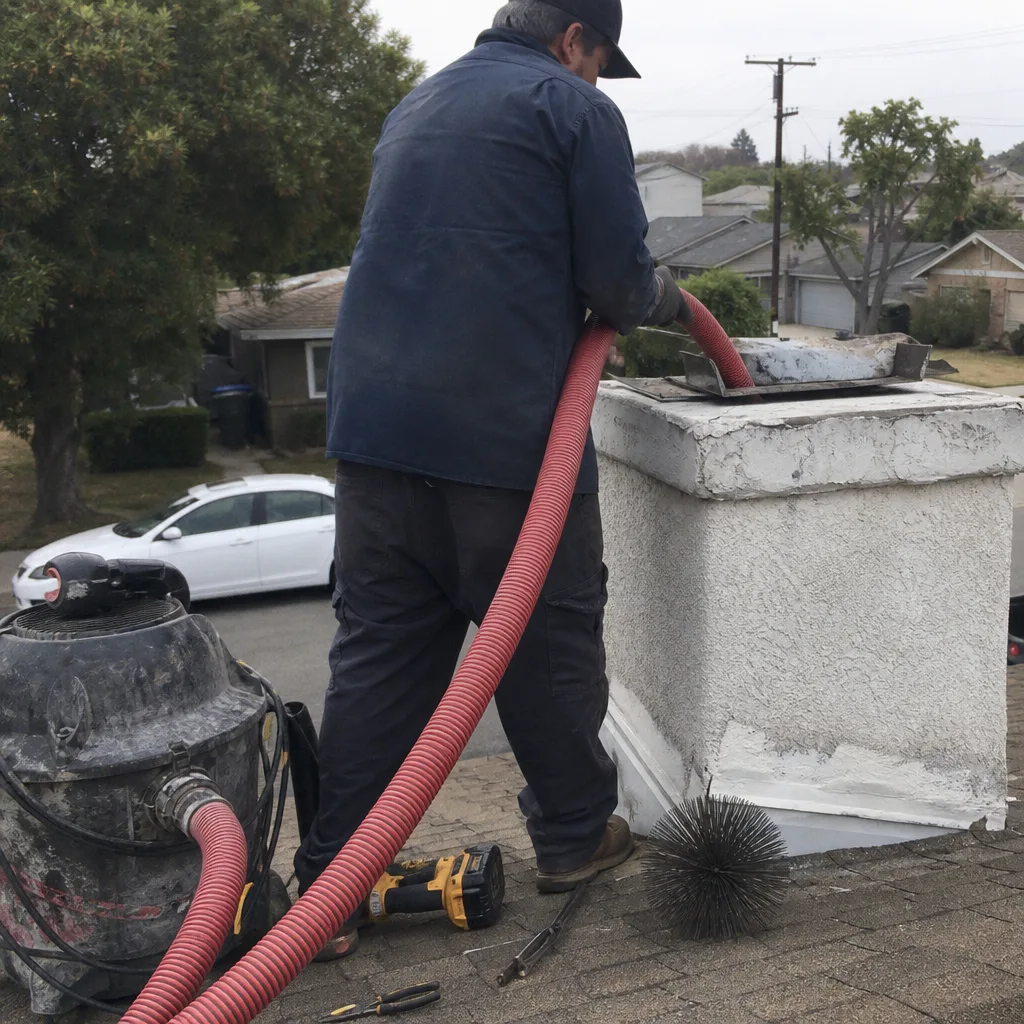
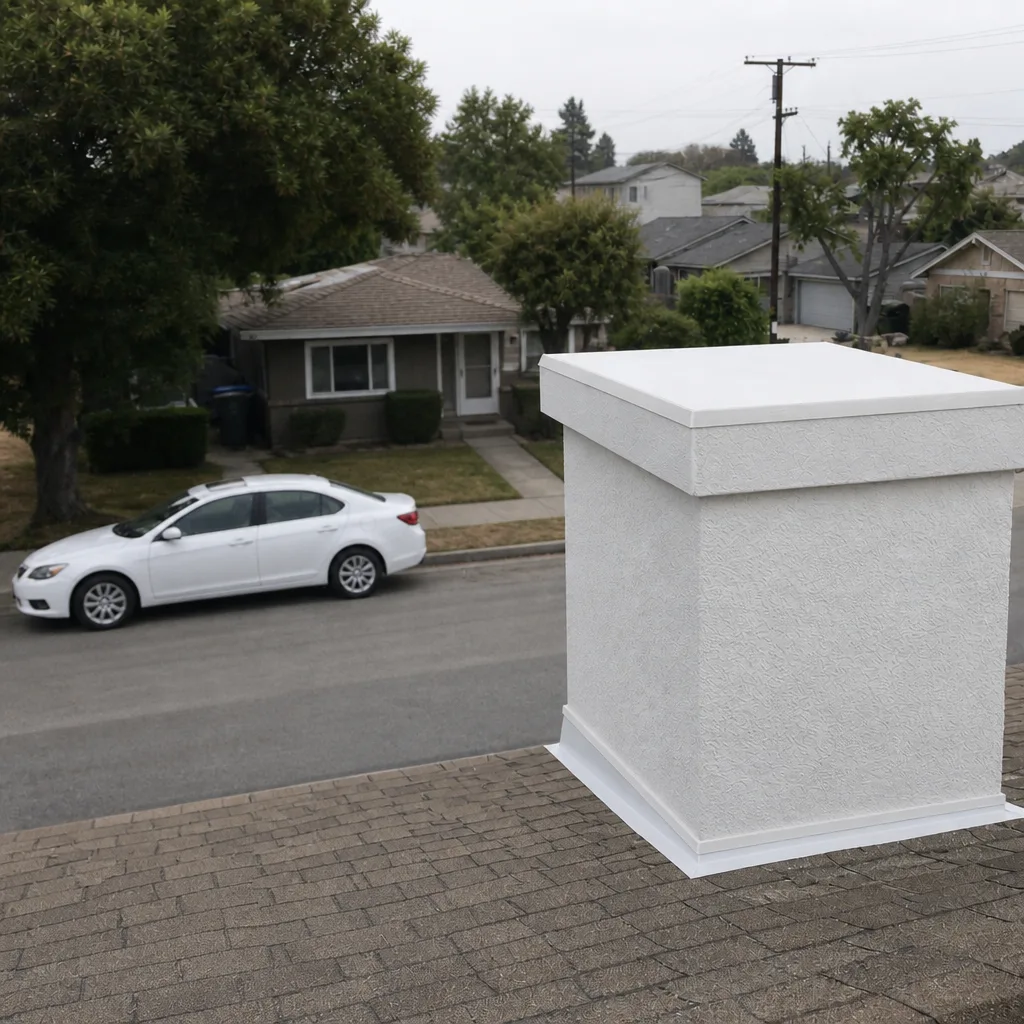
See the difference
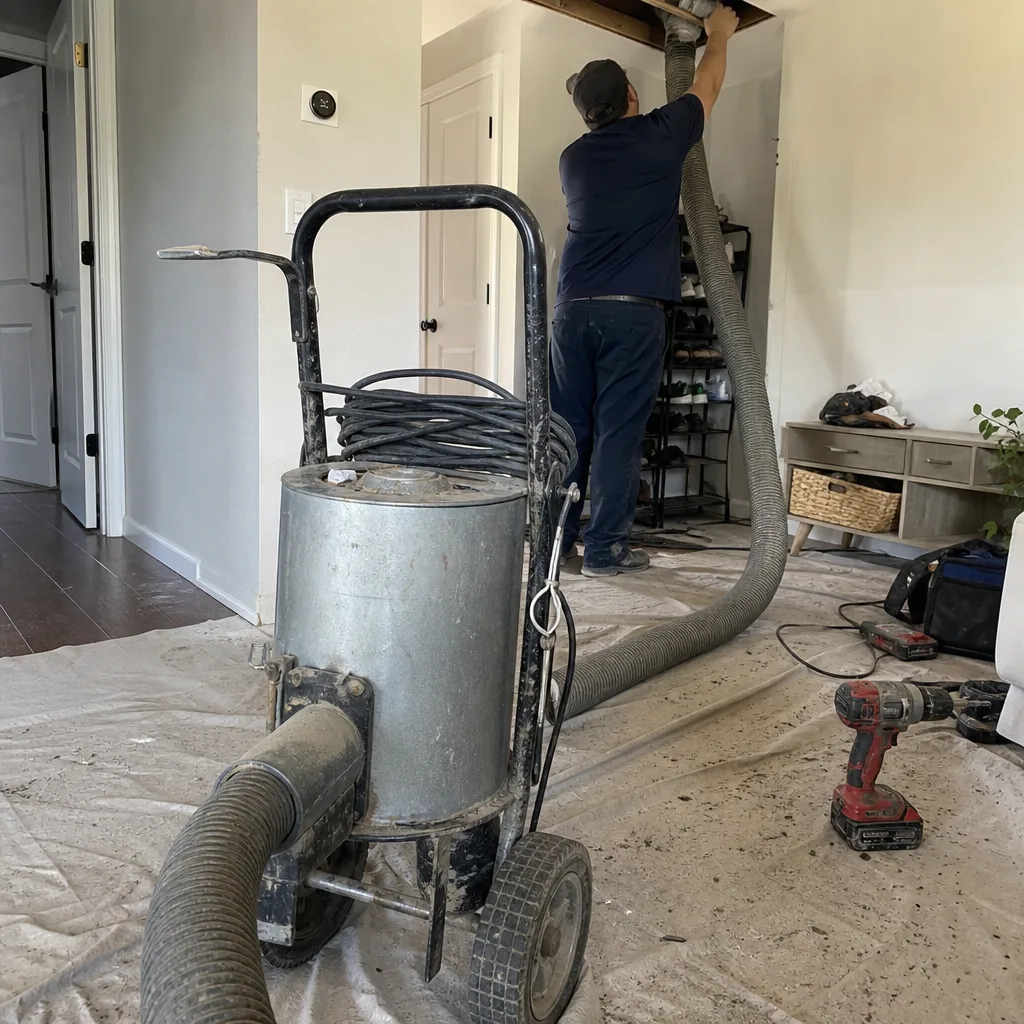 Before
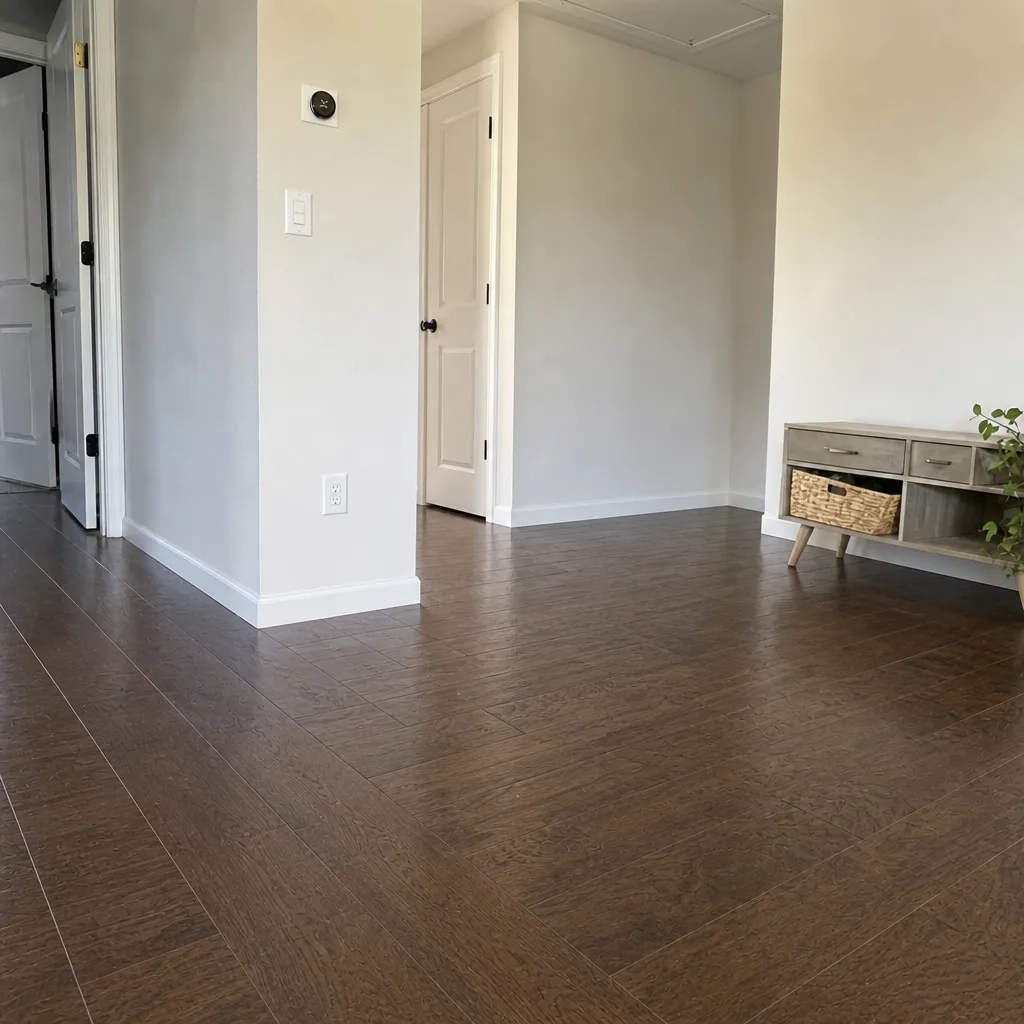 After
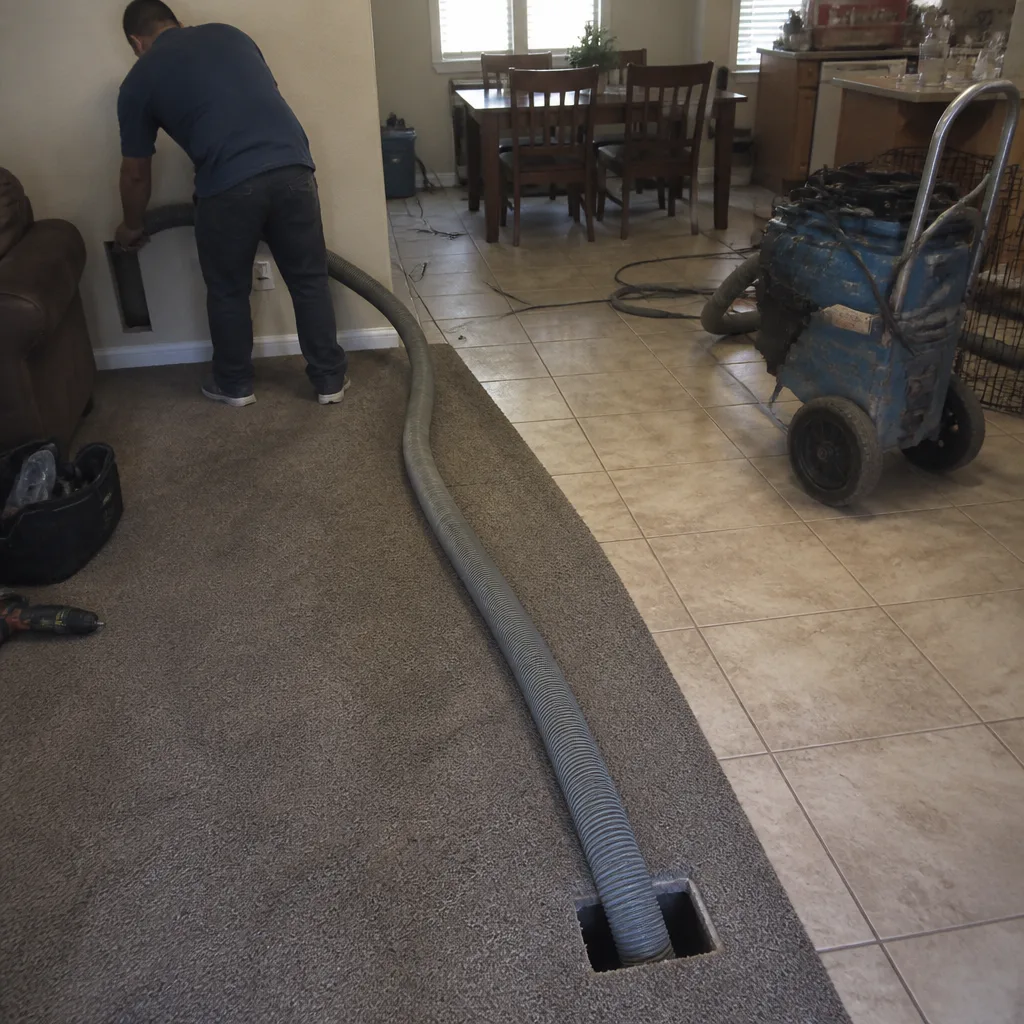 Before
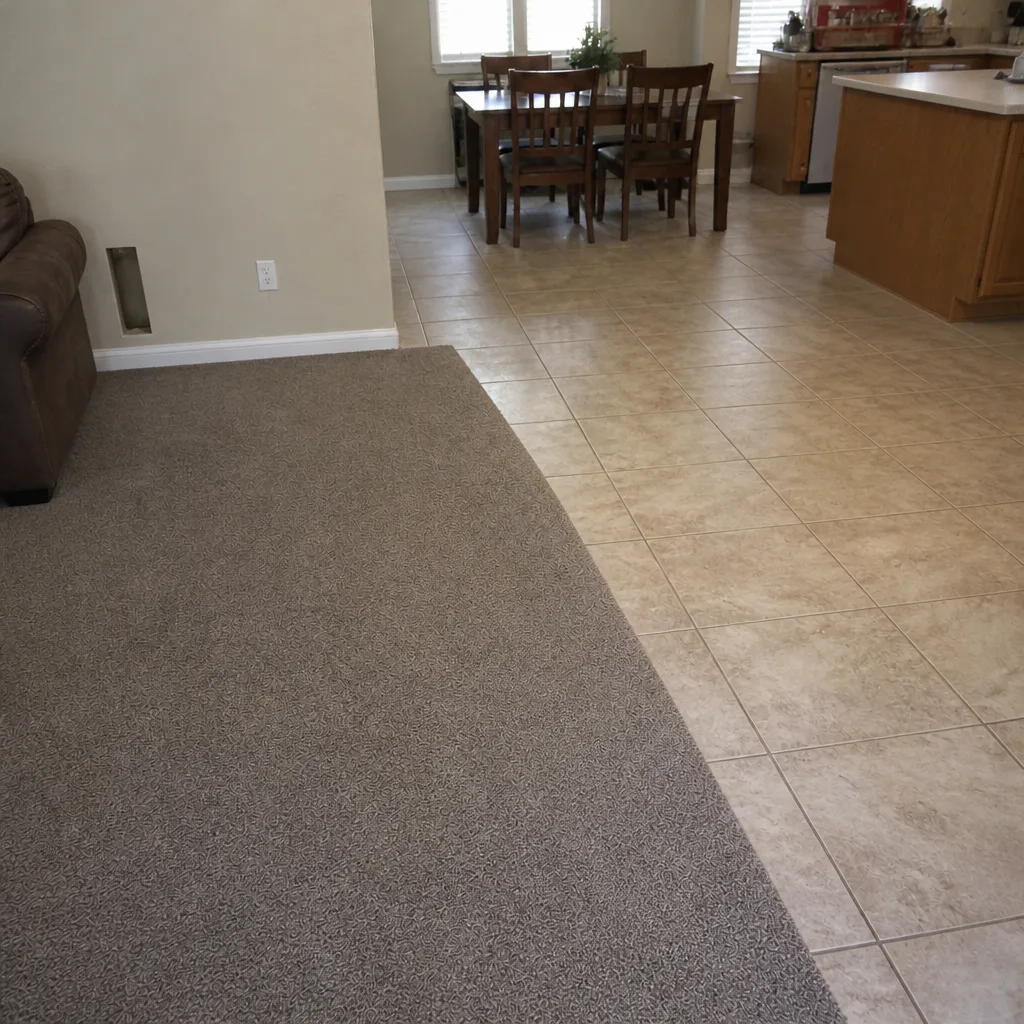 After
 Before
 After