
Last updated November 4, 2026
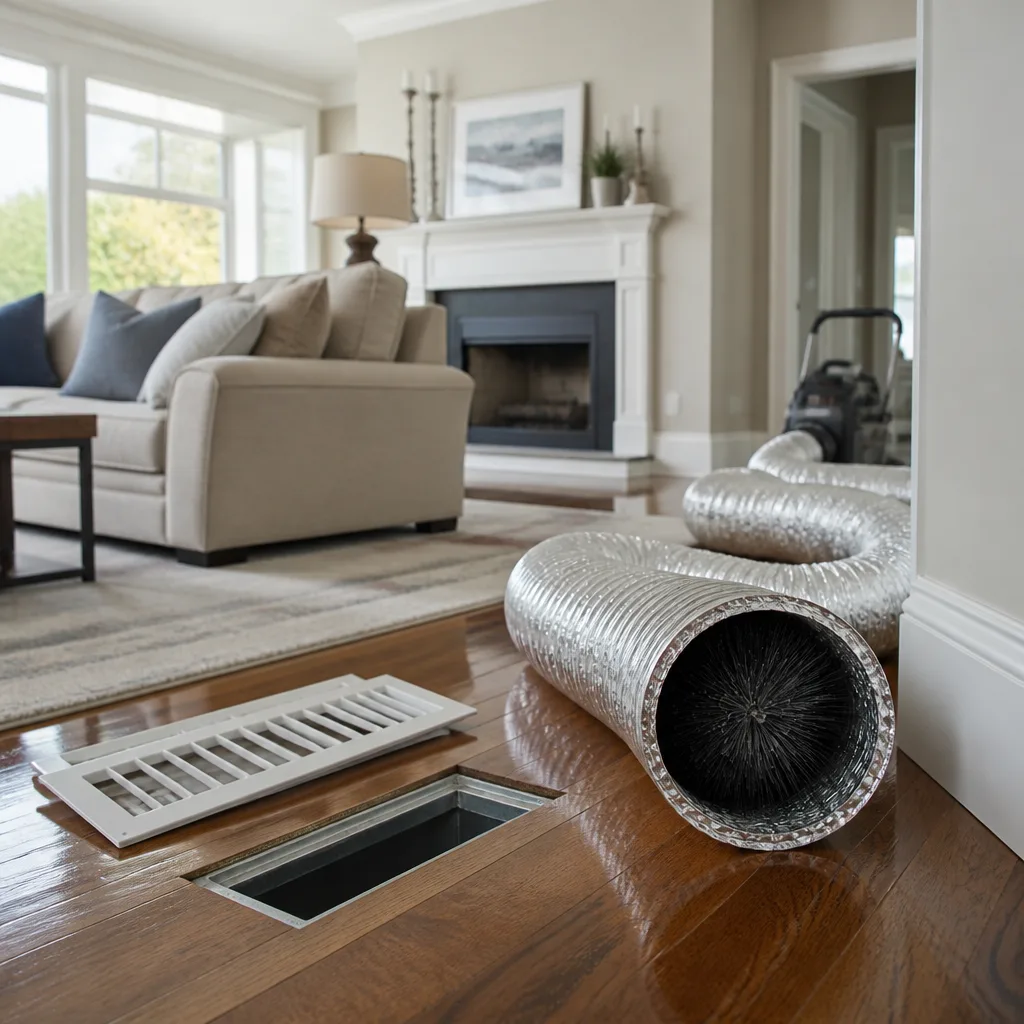 Whole-home duct cleaning
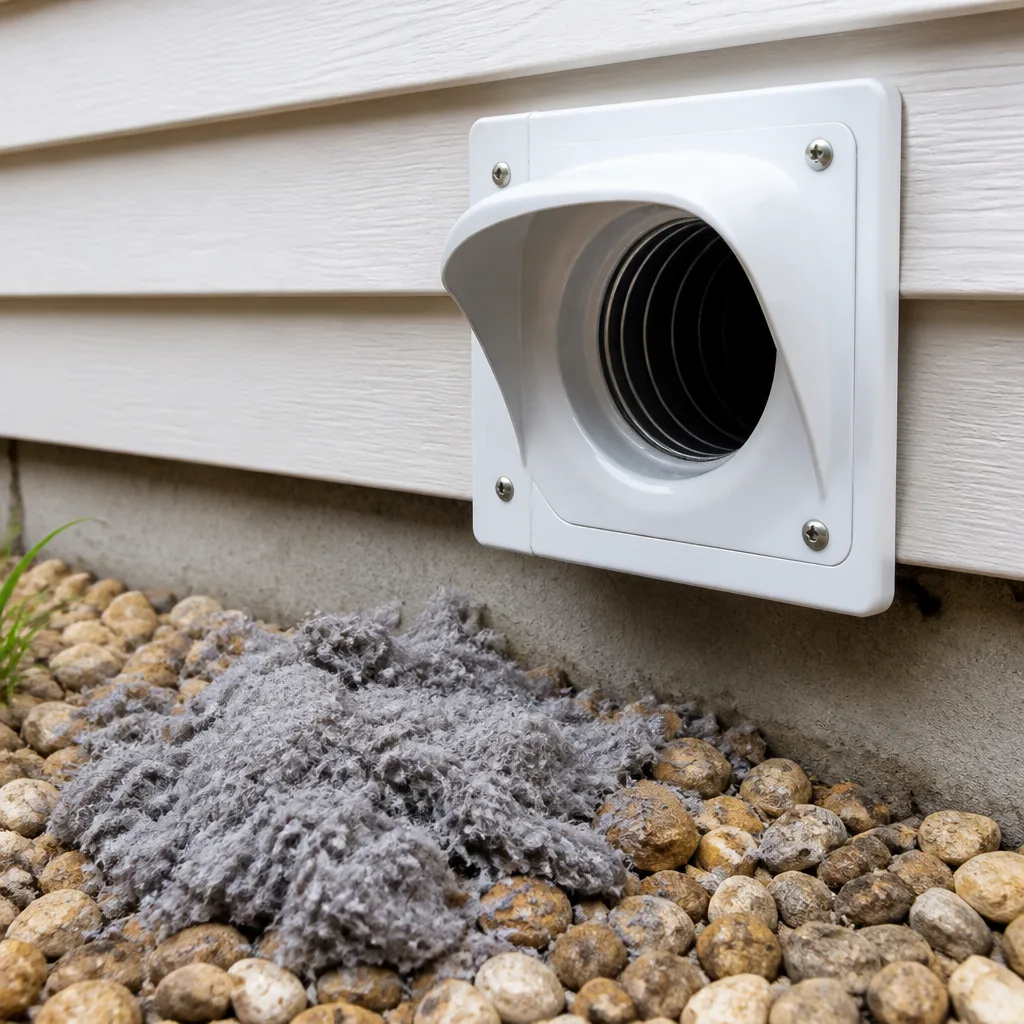 Dryer vent cleaning
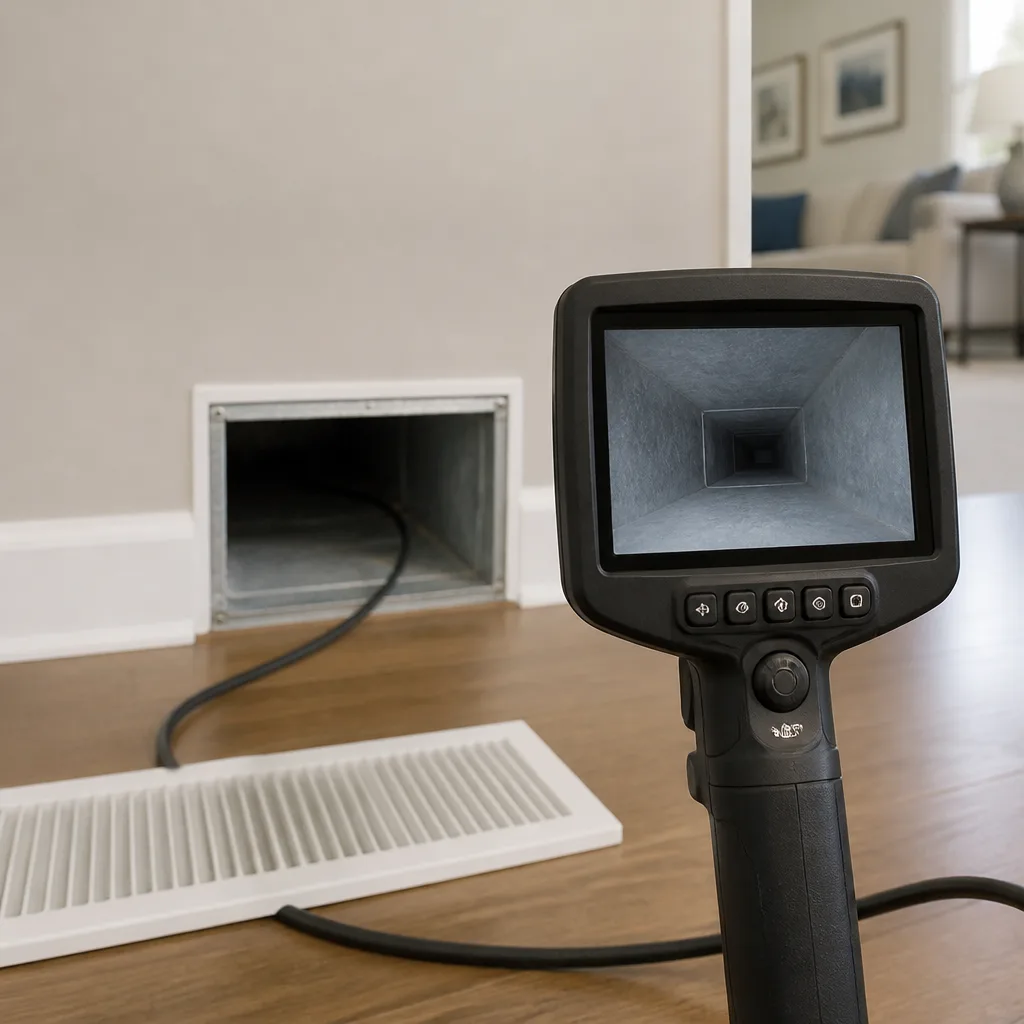 Camera inspection
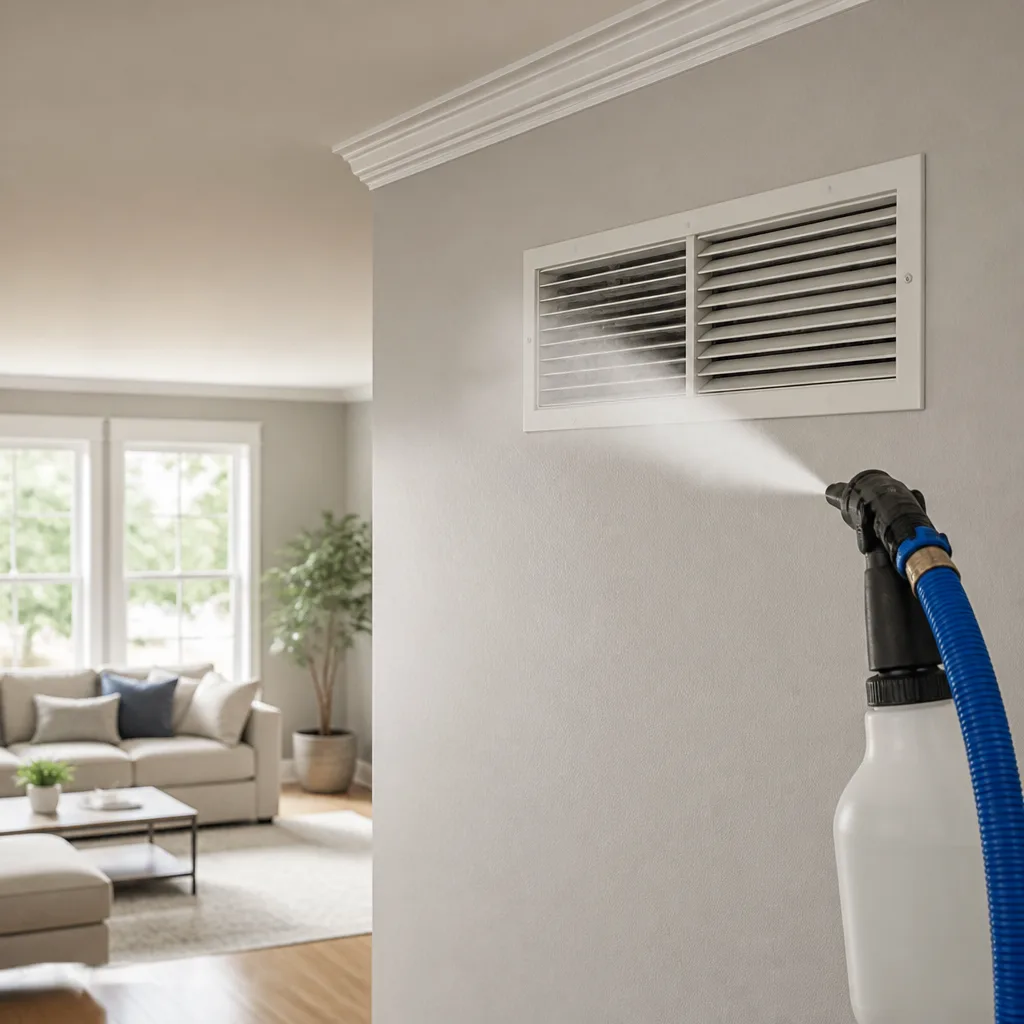 Sanitizing & deodorizing
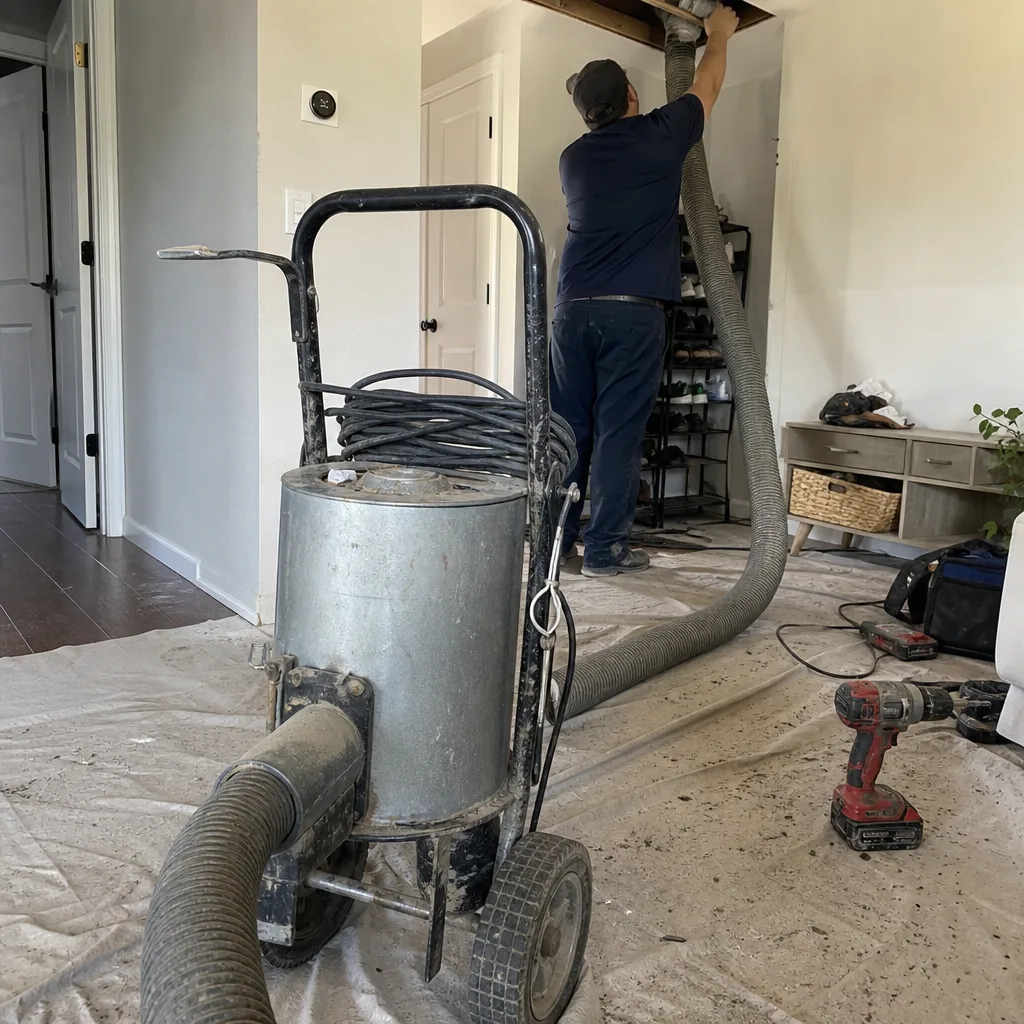
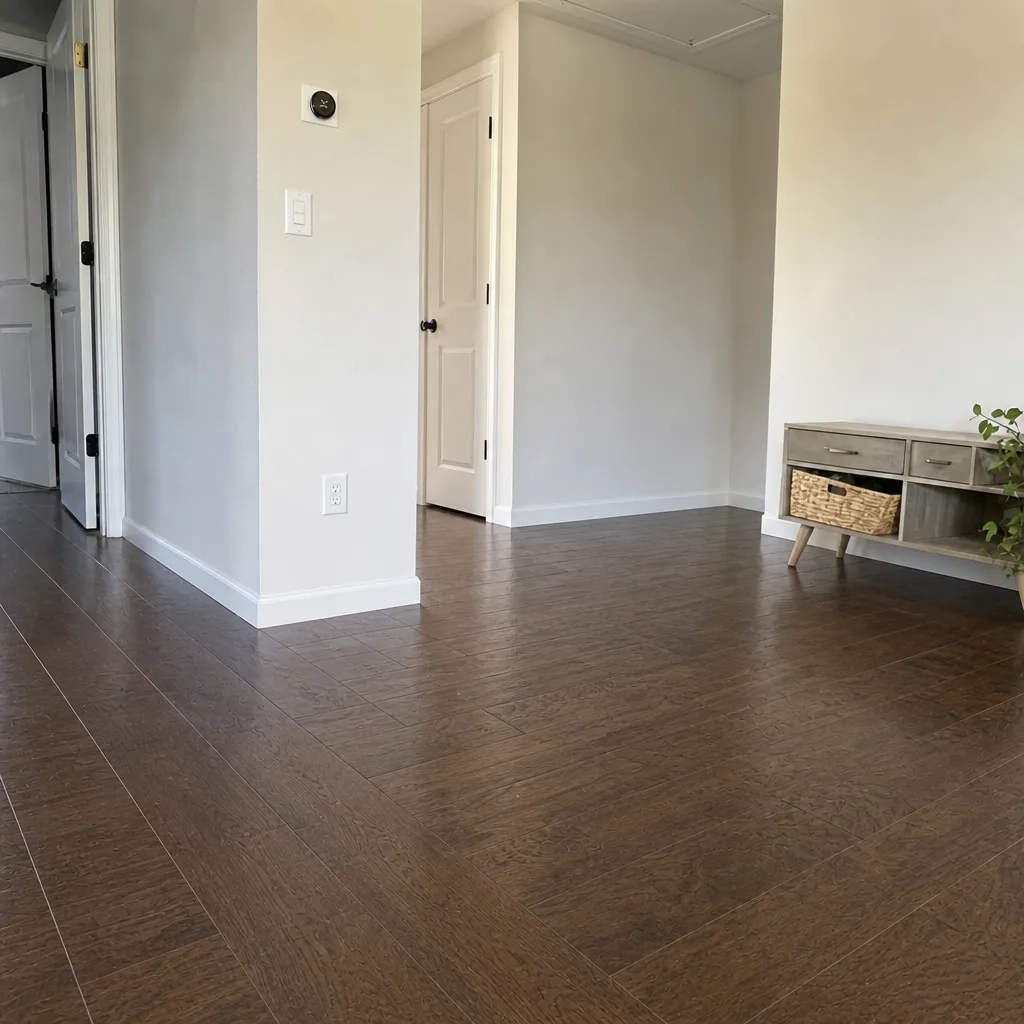
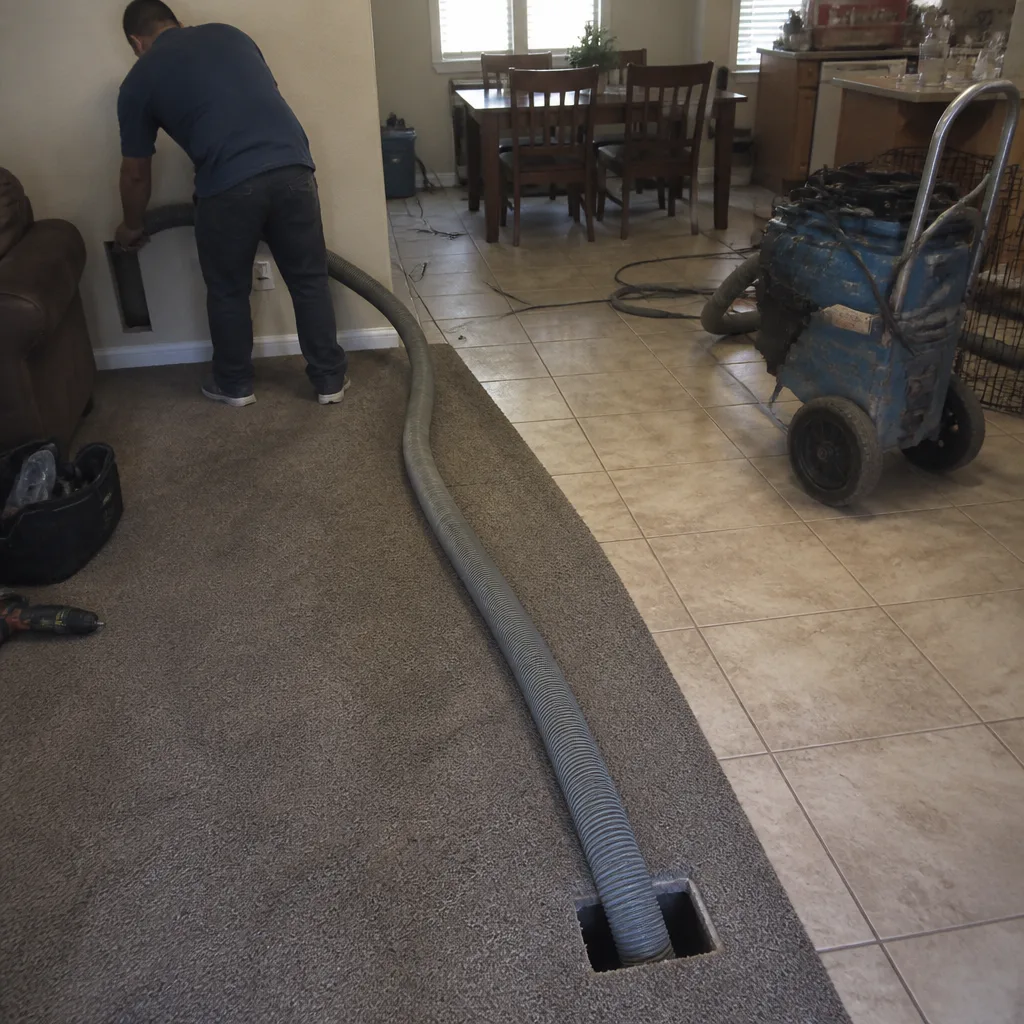
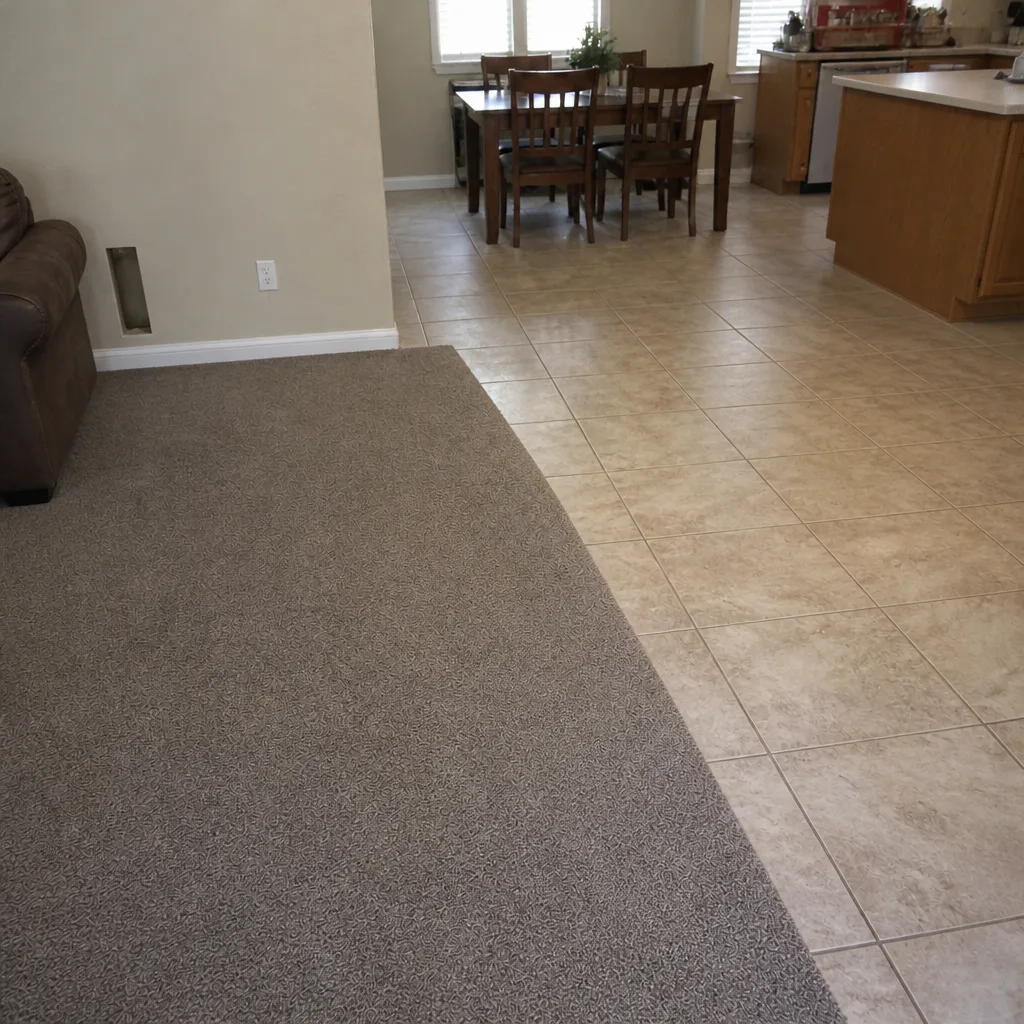
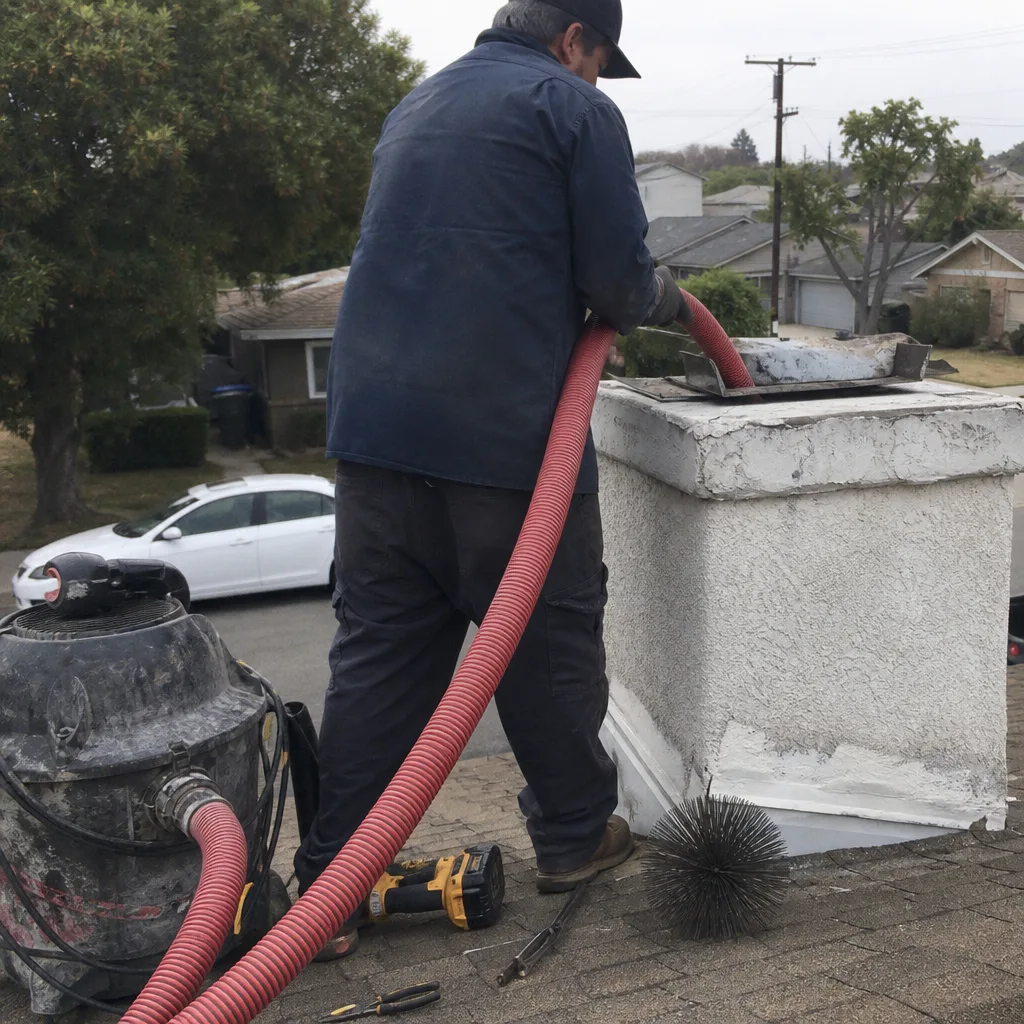
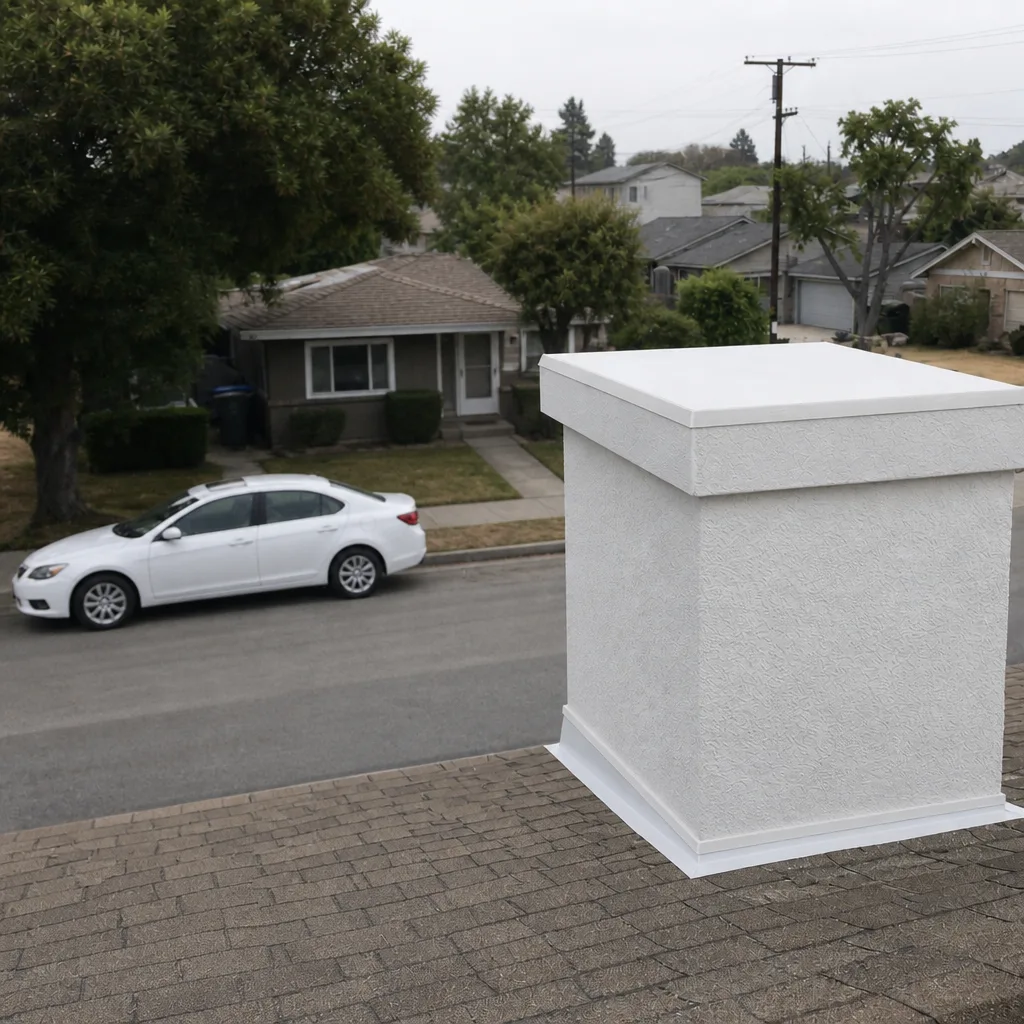
Whole-system duct and dryer vent check with before-and-after photos - you see exactly what came out of your vents
That "$99 whole-house special" is a bait ad - the real number appears once they are in your hallway, or the "clean" is a shop-vac at the register. We photograph the inside of your ducts before and after instead.
Air Duct Cleaning Troubleshooting in Chino: Common Problems and How to Fix Them
Replacing your air filter every month but still seeing dust settle on vents two days later? The filter isn’t failing. Your ducts are bypassing it entirely through gaps, disconnected joints, or holes you’ve never seen. This guide walks through the duct problems we encounter most often in Chino homes, how to read the symptoms correctly, and which fixes actually last versus which ones just move dust around. By the end, you’ll know what’s a cleaning issue, what’s a repair issue, and what’s a red flag that a contractor is guessing.
Styles & brands we work with
- Whole-home duct cleaning
- Dryer vent cleaning
- Camera inspection
- Sanitizing & deodorizing
Quick Answer
Most duct problems in Chino homes fall into three categories: leaks that pull unfiltered air into the system, blockages that restrict airflow to specific rooms, and contamination that keeps recirculating through the living space. The right fix depends on accurate diagnosis first. A proper inspection with camera equipment identifies whether you need air duct cleaning, duct repair, or both. Symptoms like uneven room temperatures, persistent dust, or musty odors are clues to specific upstream causes, and treating the symptom without finding the cause wastes money.
Table of Contents
- Symptom-to-Cause Mapping: Reading What Your Ducts Are Telling You
- Why Chino’s Climate Creates a Specific Pattern of Duct Fouling
- Duct Leaks: The Hidden Bypass Around Your Filter
- Blockages and Restrictions: When Airflow Falls Off in One Room
- Contamination Zones: Dust, Debris, and Mold-Conducive Areas
- The Diagnostic Steps That Should Precede Any Cleaning
- When Cleaning Alone Won’t Solve the Problem
- Common Mistakes to Avoid
- When to Call a Professional
- Frequently Asked Questions
- The Bottom Line
Symptom-to-Cause Mapping: Reading What Your Ducts Are Telling You
Duct problems rarely announce themselves directly. Instead, they show up as household symptoms that most homeowners attribute to the wrong source. Understanding the connection between what you’re experiencing and what’s actually happening inside the duct system is the difference between a targeted fix and a wasted service call. In Chino, where homes run air conditioning for a large portion of the year, these symptoms tend to concentrate during the warmest months when systems work hardest.
Here’s the symptom-to-cause map we use when troubleshooting duct systems in Chino homes:
- Hot or cold spots between rooms: This usually indicates a restriction in one branch duct or a disconnected joint allowing conditioned air to escape into an attic or crawlspace before reaching the register. The room farthest from the air handler is often the first to show it.
- Excessive dust on surfaces within days of cleaning: Gaps in return ducting pull unfiltered air from attics, wall cavities, or crawlspaces directly into the system. Your filter only catches what passes through it. Air entering through leaks downstream of the filter bypasses it completely.
- Musty or stale odor when the system runs: This typically points to moisture accumulation somewhere in the duct network, often in a section that stays cool while humid air passes through it. In Chino’s dry climate, this most often traces to a specific source: a condensate issue, a leaking joint near a crawlspace, or dust that has absorbed humidity over years.
- Burning smell on startup, especially with heat: Accumulated dust on heat exchangers or electric coils burns off during the first cycle. It’s not dangerous in small amounts, but it signals that dust has reached components where cleaning is genuinely needed.
- Utility bills creeping higher without a rate change: Duct leaks in unconditioned spaces force the system to run longer to reach the thermostat setting. The air you paid to condition is escaping before it reaches the living space. Over a full Chino summer, that wasted runtime adds up.
- Weak airflow from every register: This often points to a collapsed flex duct, a severely blocked return, or a blower working against pressure it wasn’t designed for. The cause is rarely a dirty filter if the filter has been changed regularly.
The common thread: symptoms are effects, not causes. Treating the effect, like wiping down registers or buying a higher MERV filter than the system was designed for, leaves the underlying problem untouched. The fix that lasts is the one that addresses what’s actually happening inside the duct run.
Why Chino’s Climate Creates a Specific Pattern of Duct Fouling
Duct systems in Chino accumulate contamination differently than those in coastal or high-humidity regions. The specifics matter because they change what a technician should look for and what a homeowner should expect from a cleaning. Chino sits in the Inland Empire, where summers are hot and dry and winters are mild, and the surrounding landscape includes significant areas of open land, agricultural activity, and construction. That combination produces a particular kind of particulate load: fine, dry dust that stays airborne longer and works its way into every available gap.
Clay soil is another factor. The soil around Chino holds fine particulates that get tracked into homes, drawn into return registers near floors, and circulated through the system. Unlike wetter climates where dust clumps and settles, dry particulate stays loose. It keeps moving until it hits a surface with enough static charge or moisture to hold it, like duct interiors, blower housings, and evaporator coils. That’s why Chino systems often show heavy dust accumulation at the return side first, with deposits thinning out, but remaining present, through the supply side.
High-dust conditions also mean that the gap between professional-grade results and consumer-grade attempts is wider here. A portable vacuum attached to a register cannot maintain the negative pressure needed to pull loosely adhered fine dust out of the full duct run. Professional equipment from Rotobrush and Nikro uses contact cleaning and negative-air extraction that changes the pressure dynamics inside the system. For Chino homes specifically, the fine particulate load makes proper extraction the defining factor in whether a cleaning actually holds or whether dust redistributes within weeks.
Duct Leaks: The Hidden Bypass Around Your Filter
Duct leaks are the most underdiagnosed problem in residential HVAC systems, and they explain a large share of the “my filter isn’t working” frustration we hear from Chino homeowners. The logic is simple: a filter only cleans the air that passes through it. Air that enters the system through gaps, disconnected joints, or holes in the duct run never sees the filter. It moves from an attic, crawlspace, or wall cavity directly into the airstream and out your registers.
Here’s how a typical leak scenario unfolds. A joint between two duct sections loosens, often due to temperature expansion and contraction over years, vibration from the blower, or original installation that used tape rather than mastic or proper mechanical fastening. The system’s negative pressure on the return side pulls air through that gap. On the supply side, positive pressure pushes conditioned air out. The result is a double loss: dirty air coming in and paid-for air going out. Room pressure imbalances follow, and so do the symptoms: dust that never seems to stop, rooms that won’t hold temperature, and longer system runtime.
Diagnosing duct leaks requires visual inspection of the full accessible duct run, not just the sections near the air handler. In Chino, many homes have ducting in attics where temperatures can be extreme in summer. Flexible duct that has been pulled, kinked, or separated at a connection point is a common find. Rigid metal duct can develop gaps at seams or where sections joined using outdated methods. The repair approach varies: mastic sealing for small gaps, mechanical reconnection for separated joints, and section replacement when ducting has collapsed or torn. Duct Cleaning Chino handles both the diagnosis and the repair, which means a leak found during inspection doesn’t require scheduling a second contractor.
Blockages and Restrictions: When Airflow Falls Off in One Room
Blockages behave differently than leaks in a critical way: they’re often misread as system-wide problems when they’re actually localized. A single branch duct that has collapsed, kinked, or filled with debris doesn’t reduce airflow throughout the house. It reduces airflow to one room or one zone. The rest of the system might be delivering air perfectly well. Knowing this matters because it changes the troubleshooting approach entirely.
The most common blockage sources in Chino homes include:
- Collapsed or kinked flex duct: Flexible ducting is economical and common, but it’s vulnerable to physical damage. A duct that was run too tightly, crushed by stored items in an attic, or simply degraded from heat exposure can lose most of its interior diameter. Airflow drops dramatically.
- Disconnected branch runs: A branch duct that has separated from the main trunk delivers nothing to its register. The air escapes into the unconditioned space instead. The room goes stale, and the system keeps running longer to satisfy the thermostat elsewhere.
- Debris accumulation in the return path: A return register near a high-traffic area, especially in homes with pets or recent renovation, can pull in enough material to reduce return airflow over time. The blower starves for air and supply pressure drops throughout the house.
- Foreign objects in the duct: Construction debris, children’s toys, pest nesting material, and even old filters that fell into the return opening have all been found in Chino duct systems. A camera inspection identifies these in minutes.
The repair path for a blockage depends on what’s actually obstructing the airflow. Kinked flex duct gets rerouted or replaced. Disconnected branches get reconnected and sealed. Debris gets extracted using professional negative-pressure equipment rather than blown deeper into the system. The key point: a blockage won’t resolve itself, and running the system harder only wastes energy while delivering less air. Fix the restriction, and the symptom resolves.
Contamination Zones: Dust, Debris, and Mold-Conducive Areas
Not all duct contamination is equal. A thin, uniform dust layer is normal and expected in any system. Concentrated accumulation, visible debris, or signs of moisture-related growth are different problems that demand different responses. In Chino’s dry climate, true mold growth inside ductwork is less common than in humid regions, but it’s not impossible. The conditions for it exist anywhere moisture meets organic material, and that can happen in specific localized zones within an otherwise dry system.
Typical contamination zones we identify during inspections include:
- Return ducting near floor registers: These pull in the heaviest particulate load because they’re closest to foot traffic and household activity. Pet dander, tracked-in dirt, and general household dust concentrate here first.
- Supply branches serving bathrooms or laundry areas: These run air through spaces with higher moisture levels. If a duct joint is loose or a register seal is poor, humid air can be drawn back into the system when the blower cycles off.
- Sections near the evaporator coil: The coil condenses moisture during cooling. If drainage is slow or the coil area stays damp, the adjacent ductwork becomes a moisture source. Dust that accumulates here can become biologically active.
- Flex duct with damaged outer jacket: Once the vapor barrier on flex duct is torn, the insulation layer can absorb moisture and hold it against the duct’s inner liner. That’s a scenario where cleaning alone may not be enough; the damaged section needs replacement.
Professional cleaning addresses contamination through controlled extraction, not redistribution. Nikro negative-air equipment places the duct system under negative pressure during cleaning, capturing dislodged particulates rather than pushing them into the living space. Abatement Technologies air-filtration equipment adds another layer by scrubbing the air during the process. That’s the difference between removing contamination and simply moving it around, and it’s why the equipment matters as much as the technique.
The Diagnostic Steps That Should Precede Any Cleaning
Skipping diagnostics is how duct cleaning gets a bad reputation. A technician who shows up, hooks a vacuum to one register, and starts working without ever looking inside the system is guessing. The right sequence is inspection first, findings second, and a plan built on what was actually found. Here’s what a proper diagnostic process looks like before any cleaning work begins.
- Visual inspection of accessible registers and returns: Remove a few register covers and look inside with a bright light. What’s visible at the register opening tells you something about what’s deeper in the system, and it’s where obvious problems like disconnections or heavy debris reveal themselves.
- Camera inspection of the duct interior: A small camera on a flexible line navigates the duct run and shows what’s actually there: accumulated dust, gaps at joints, damaged flex sections, or standing debris. This is the single most important diagnostic step, because it replaces guesswork with visual evidence.
- Static pressure assessment: Static pressure measurements across the system indicate whether airflow is within the range the blower was designed for. High static pressure points toward restrictions. Low static pressure on the return side suggests leaks. A technician who understands these readings can pinpoint problems that aren’t visible from the register opening.
- Filter and coil review: The filter’s condition, the coil’s surface, and the blower housing all provide context. A heavily loaded filter explains restricted airflow. A clean filter with high static pressure points to duct restrictions instead.
- Connection and seal check at accessible points: Every accessible joint, elbow, and connection gets examined for gaps, separated tape, or loose mechanical connections. In attics, this is where most supply-side leaks are found. In crawlspaces and closets, return-side gaps are more common.
A technician who completes these steps before cleaning can tell you what’s cleanable contamination, what’s repairable damage, and whether cleaning alone will solve your problem. We perform this diagnostic sequence on every job because skipping it leads to the exact scenario homeowners fear: paying for a service that didn’t address the real issue. When we find damage during inspection, our capability to perform dryer vent cleaning and duct repair on the same visit means the fix happens without a second appointment.
When Cleaning Alone Won’t Solve the Problem
Some duct problems are cleaning problems. Others are repair problems wearing cleaning’s clothes. Knowing which one you have before paying for work is the single most valuable troubleshooting skill this guide can give you. The distinction comes down to what’s actually wrong with the system.
Cleaning is the right solution when the ductwork is structurally sound but carrying accumulated contamination that’s recirculating through the home. This includes dust, pet dander, construction debris from a renovation, or general buildup that has collected over years of normal operation. The system holds pressure, connections are intact, and the only problem is what’s inside. A professional cleaning with Rotobrush contact-cleaning systems and Nikro negative-air extraction resolves this type of problem thoroughly.
Repair is the right solution when the ductwork itself has failed. A separated joint, a collapsed section of flex duct, a torn outer jacket, or a supply run that has disconnected from the trunk are all mechanical failures. No amount of cleaning fixes a gap. The leak remains, the pressure imbalance remains, and the unfiltered air keeps entering the system. In these cases, cleaning without repair is incomplete by definition. The system might look better for a few weeks, but the underlying problem recreates the contamination.
The overlap case is where both apply: a system with accumulation and structural issues together. This is common in older Chino homes where original ducting has been in place for a long time, and where renovations or system changes over the years have stressed connections. The right response is to repair the damage and clean the system as part of the same scope of work. That’s the practical advantage of working with a company that offers both services under one roof. We clean it and, if needed, fix it. No handoff, no second scheduler, no contractor who only handles one half of the problem.
Common Mistakes to Avoid
- Blowing compressed air into a register to “clean” the ducts: This pushes loose dust and debris deeper into the system and into rooms through other registers. It redistributes contamination rather than removing it. Professional extraction creates negative pressure that pulls particulates out of the duct run, which is fundamentally different physics.
- Using a higher-MERV filter to compensate for duct leaks: A dense filter on a system not designed for it increases static pressure and reduces airflow. The leak is still pulling unfiltered air in. You’ve made the system work harder without addressing the actual problem.
- Cleaning ducts without a camera inspection first: If the technician can’t show you what’s inside before and after, there’s no way to verify the work was done. In Chino’s fine-dust conditions, this matters more because a poor cleaning redistributes fine particulates throughout the home. See what’s in your ducts before work starts. Then verify the result after.
- Believing duct cleaning is a scam because a bad contractor burned you: The scam is the bait-and-switch, not the service. A legitimate duct cleaning with professional equipment and before-and-after documentation produces measurable improvement. The problem is the industry’s race to the bottom with coupon pricing and per-vent upcharges, not the work itself.
- Treating a repair problem with a cleaning service: A collapsed duct, separated joint, or torn flex run will not improve with cleaning. The symptom might fade for a few weeks, but the leak or restriction remains. Accurate diagnosis has to come first.
- Ignoring a dryer vent that takes forever to dry clothes: The dryer vent is connected to your home’s air quality picture. A restricted dryer vent forces lint and moisture into the laundry space, and it’s a leading cause of residential dryer fires. Dryer vent cleaning in Chino is a separate service for good reason.
- Running the system continuously to “flush out” dust: A system with a significant dust load keeps recirculating that dust every time it runs. Extended runtime doesn’t flush anything; it distributes it more thoroughly. The contaminant has to be removed at the source.
When to Call a Professional
DIY duct troubleshooting has a hard limit, and Chino homeowners reach it faster than they expect. You can check registers, inspect what’s visible from the opening, and notice which rooms are underperforming. What you cannot do is see the full duct run, measure static pressure, access the trunk line, or safely navigate an attic to inspect connections. When symptoms persist after filter changes and basic checks, the problem is likely one you can’t see from the living space.
Call a professional when you have persistent dust that returns within days, rooms that won’t hold temperature, musty odors that come and go with system operation, or airflow that’s weak at every register. Call sooner if a renovation recently dumped drywall dust or other construction debris into the system, since that material is abrasive and harmful to equipment over time. Duct Cleaning Chino offers free estimates in Chino. Call (844) 789-0415. We answer 24/7. Fast dispatch from 7am to 7pm, Sunday through Friday.
Frequently Asked Questions
Air duct cleaning in Chino is priced per job by written estimate, not by a teaser rate that changes once the technician arrives. The final price depends on the size of the system, the level of contamination found during inspection, and whether repair work is needed alongside the cleaning. A free estimate establishes the scope and the number before any work begins. Call (844) 789-0415 for an exact quote on your system.
Cheaper quotes usually reflect different equipment, different scope, or both. A consumer-grade vacuum attached to one register costs a fraction of professional Rotobrush and Nikro equipment, and it performs accordingly. Per-vent pricing allows a low headline number that multiplies when the technician arrives. Honest whole-system pricing based on a written estimate is the comparison you should be making.
Ask for before-and-after documentation. Camera inspection before the job shows what’s inside the duct run, and the same camera after the job shows what was removed. If a company can’t provide visual verification, you have no way to confirm the work. We inspect and document because transparency protects both sides of the transaction.
Most Chino homes benefit from a thorough duct cleaning every three to five years under normal conditions. Homes with pets, recent renovation, residents with allergy concerns, or properties near active construction or agricultural areas may need service sooner. The system’s condition during inspection is the real determinant, not a fixed calendar interval.
Dust, pet dander, and other particulates circulating through a home can aggravate existing allergy symptoms and reduce indoor air quality, especially for people with respiratory sensitivities. The concern isn’t that clean ducts prevent all allergens, but that a heavily contaminated system keeps recirculating irritants that would otherwise be removed by filtration. Clean ducts are one part of the broader indoor air quality picture.
Cleaning removes accumulated contamination from structurally sound ductwork. Repair fixes ductwork that has physically failed: separated joints, collapsed flex runs, torn liners, or disconnected branches. The only reliable way to know which one applies is a camera inspection of the actual duct system. When both are present, both should be addressed in the same scope of work.
The Bottom Line
Duct problems in Chino homes are solvable, but they’re solved by diagnosis, not guesswork. Symptoms like uneven temperatures, persistent dust, and rising utility bills are clues that point to specific causes: leaks pulling unfiltered air, blockages starving individual rooms, or contamination recirculating through the living space. The right response starts with a camera inspection that shows what’s actually inside the system, continues with professional-grade cleaning equipment that extracts contamination rather than redistributing it, and includes repair capability when structural problems are found. Whether you need cleaning, repair, or both, the solution is built on evidence. Call (844) 789-0415 for a free estimate. We answer 24/7. Fast dispatch from 7am to 7pm, Sunday through Friday.
Written by the team at Duct Cleaning Chino, serving Chino since 2018.
See the difference
 Before
 After
 Before
 After
 Before
 After