
Last updated November 4, 2026
 Whole-home duct cleaning
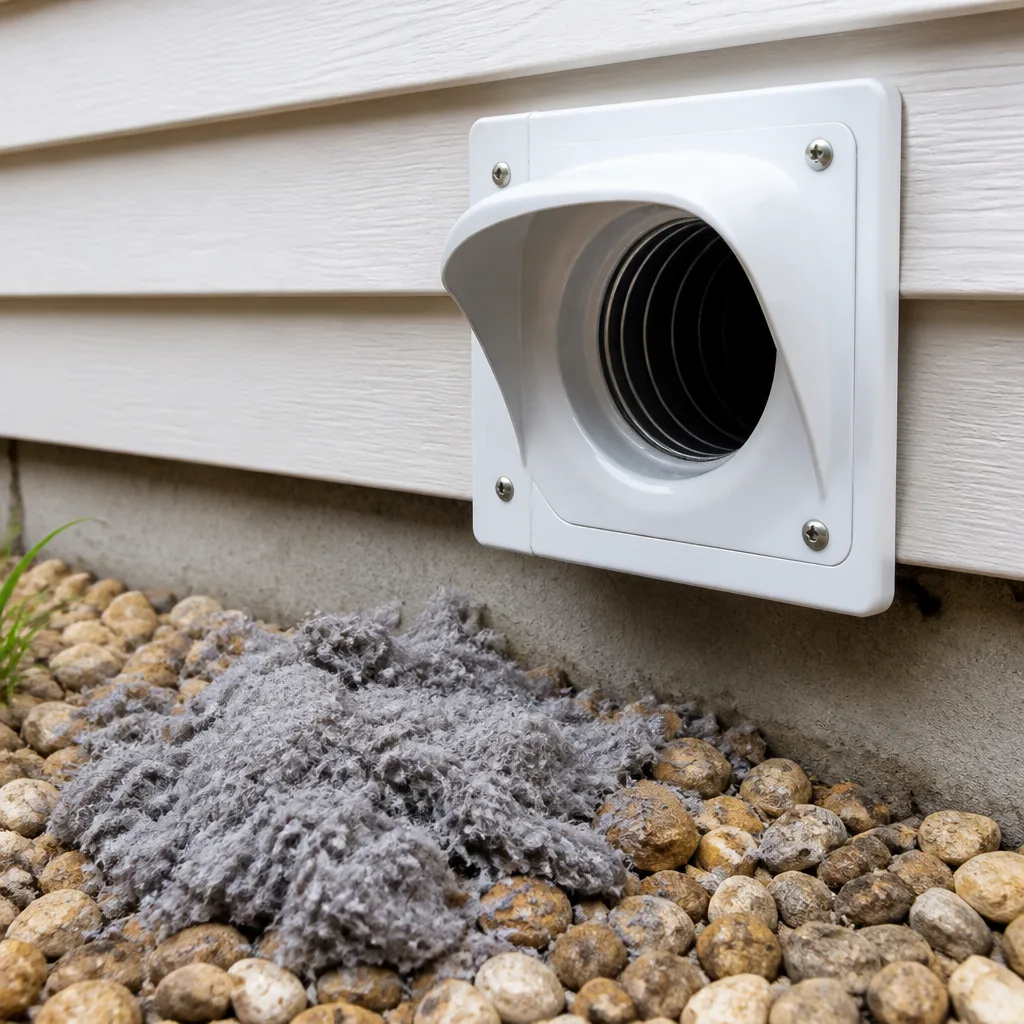 Dryer vent cleaning
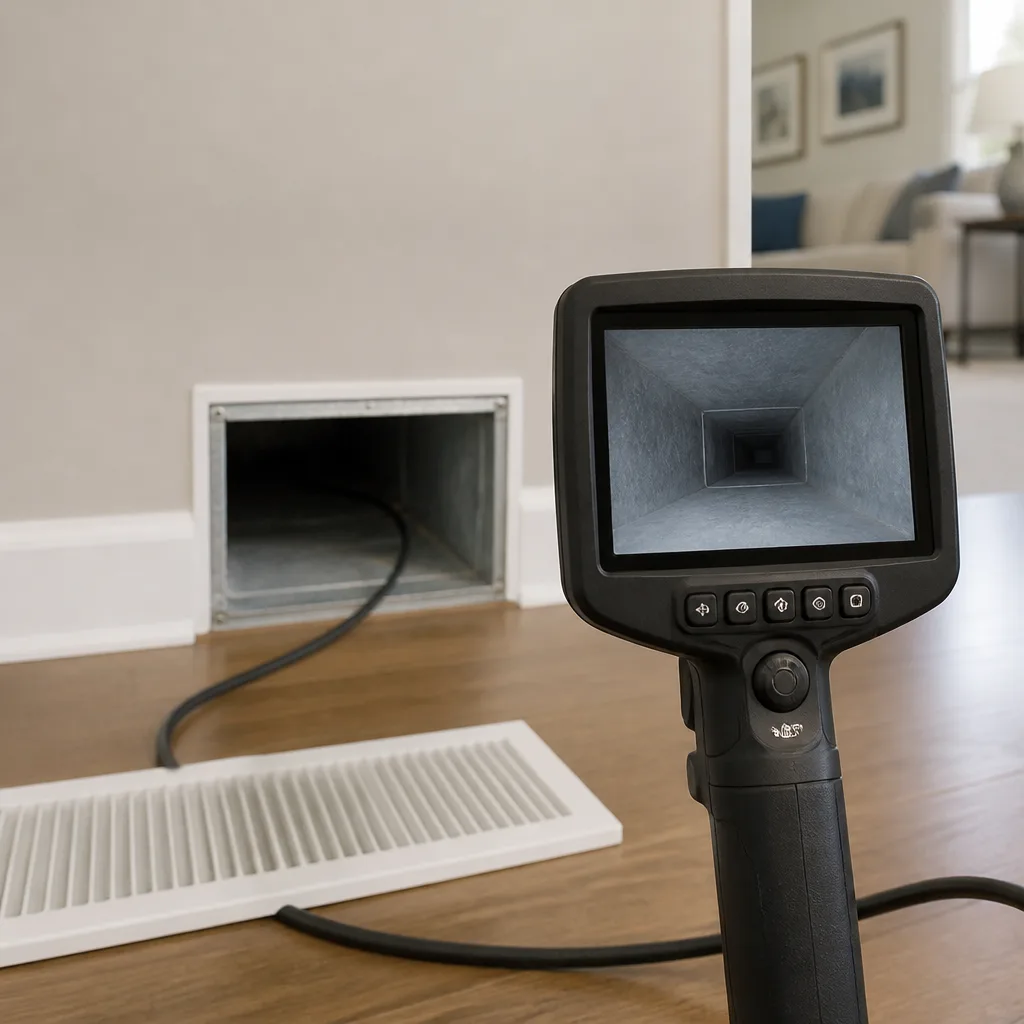 Camera inspection
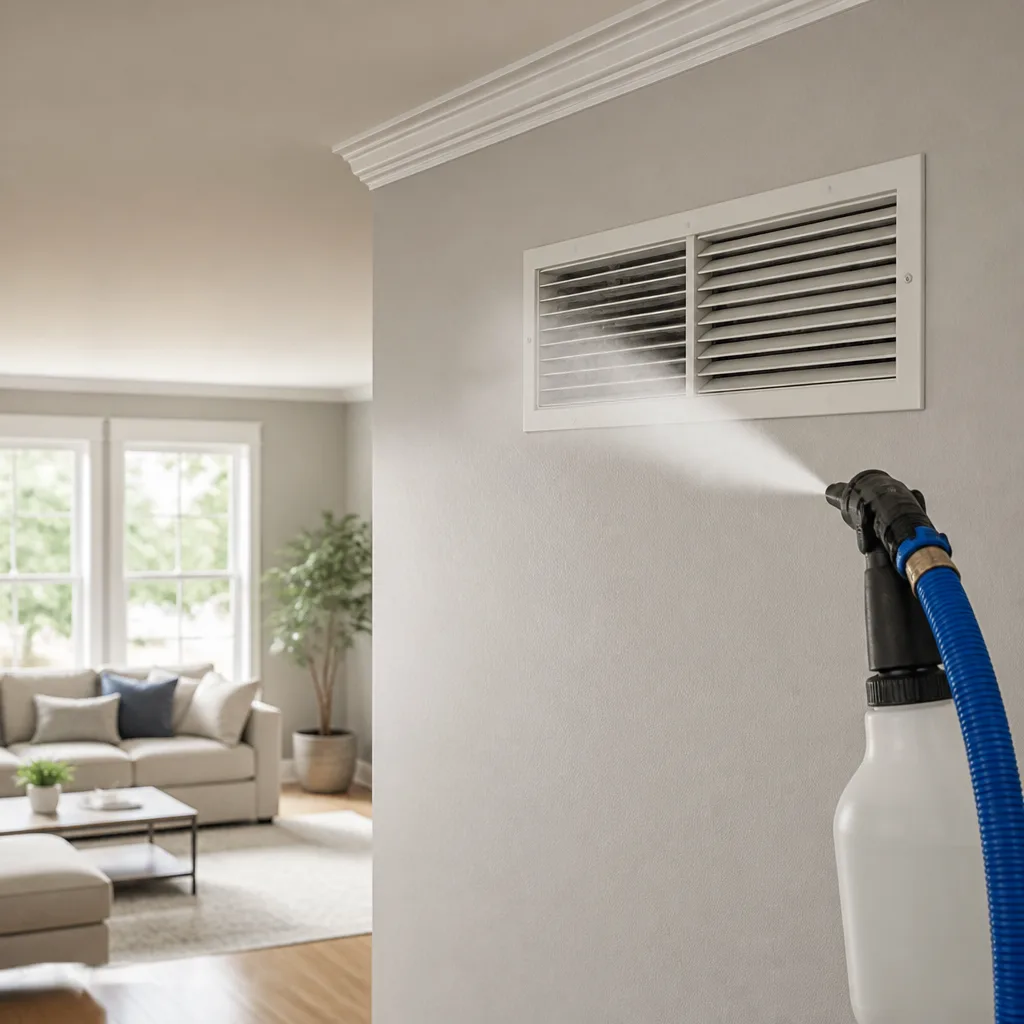 Sanitizing & deodorizing
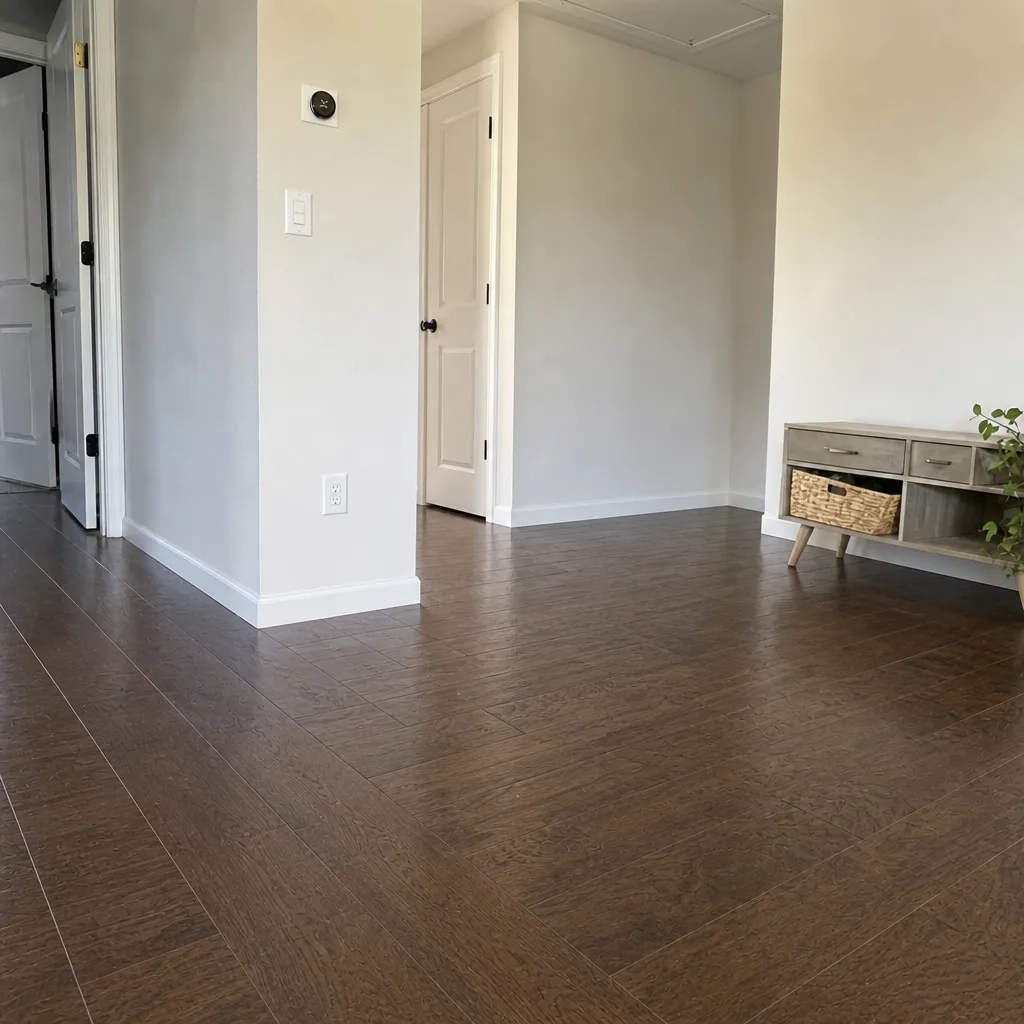
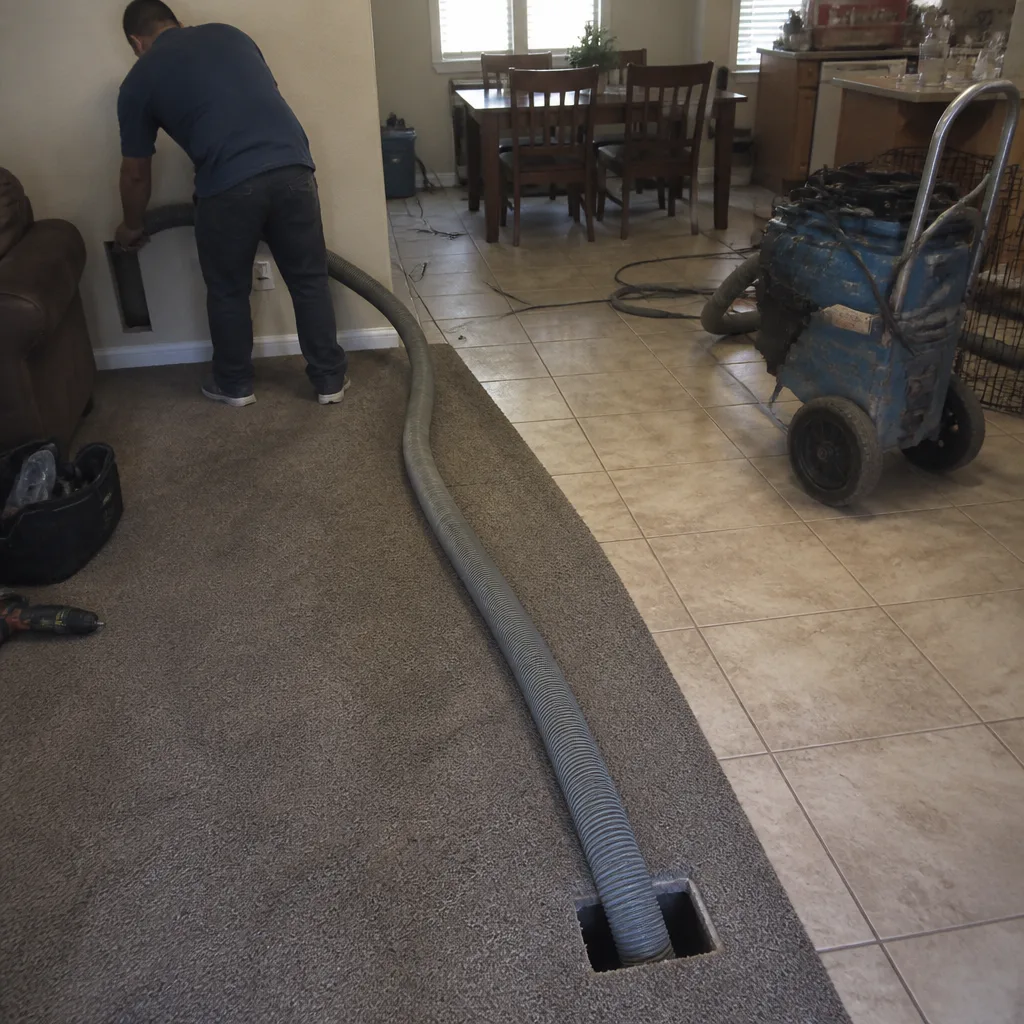
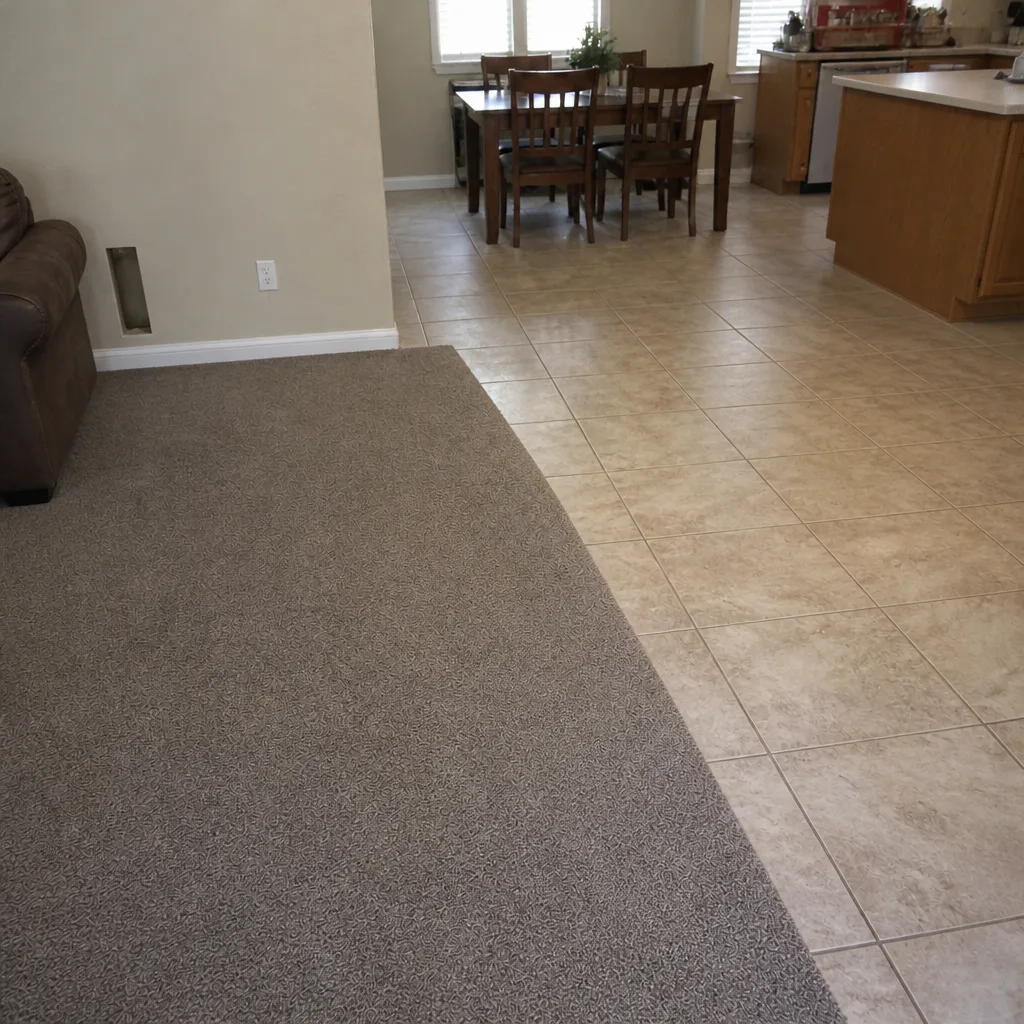
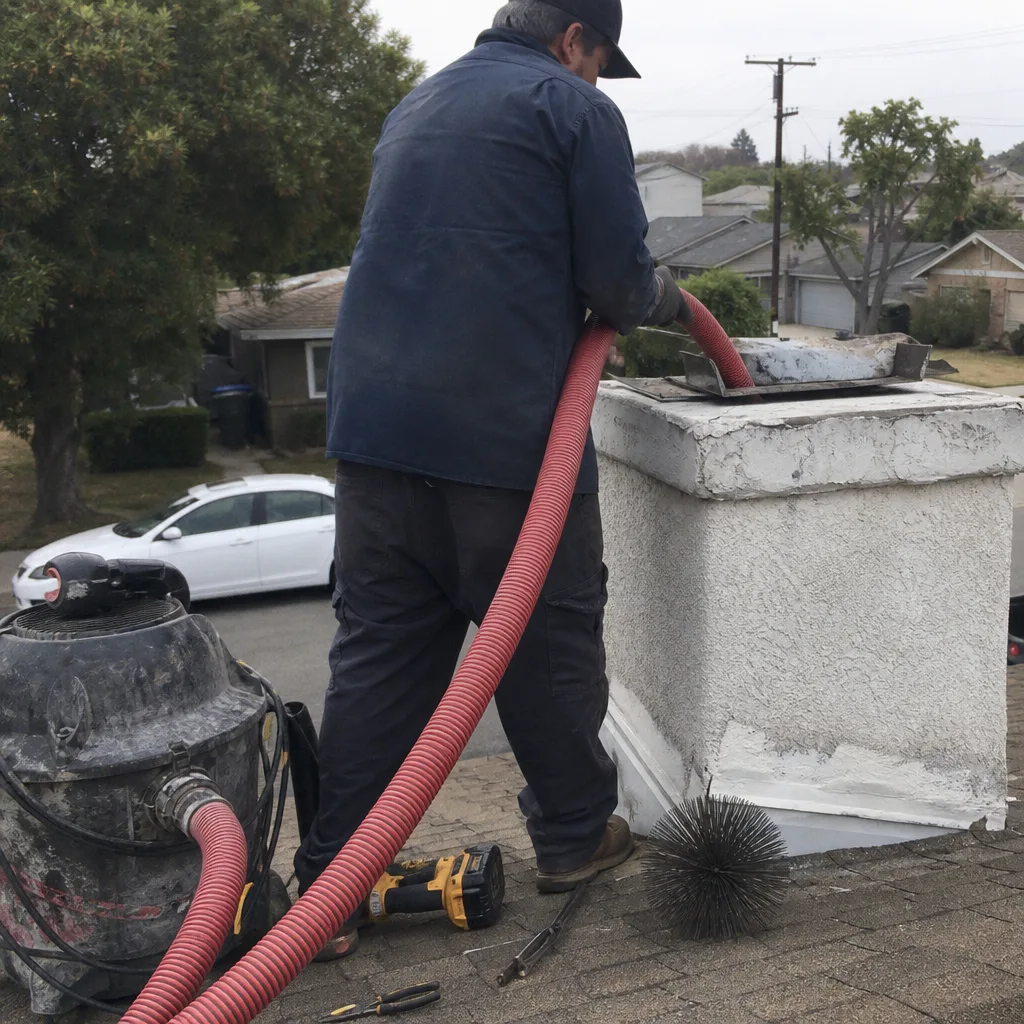
Whole-system duct and dryer vent check with before-and-after photos - you see exactly what came out of your vents
That "$99 whole-house special" is a bait ad - the real number appears once they are in your hallway, or the "clean" is a shop-vac at the register. We photograph the inside of your ducts before and after instead.
Air Duct Cleaning Permits, Codes & Inspections in Chino, CA: What You Need to Know
Most homeowners assume that if a contractor shows up with professional-looking equipment and leaves the house smelling fresher, the job was done by the book. The truth is more complicated. In Chino, the line between a routine cleaning and work that triggers permit requirements under the California Mechanical Code is thin, and it usually gets crossed the moment a technician cuts into a duct panel, replaces a damaged section, or alters a connection to the air handler. What looks like an honest repair can quietly become unpermitted work, and that distinction tends to surface years later, during a home inspection, an insurance claim, or a resale disclosure. This guide explains where that boundary sits in Chino specifically, who enforces what, and the questions you should ask before anyone touches your duct system.
Quick Answer
Routine air duct cleaning in Chino does not require a permit, but any work that involves cutting, replacing, or modifying ductwork, reconnecting ducts to the air handler, or altering the system’s design crosses into repair or alteration territory and generally does. The authority that matters is the City of Chino Building and Safety Division, which enforces the California Mechanical Code locally. Before any service begins, ask the contractor in writing whether the planned work is cleaning only or includes any repair or modification, and if so, who pulls the permit.
Styles & brands we work with
- Whole-home duct cleaning
- Dryer vent cleaning
- Camera inspection
- Sanitizing & deodorizing
Table of Contents
- Where Cleaning Ends and Repair Begins
- Who Regulates Duct Work in Chino
- What the California Mechanical Code Actually Says
- How to Ask a Contractor About Permits
- Insurance and Resale Risks of Unpermitted Duct Work
- How to Request an Inspection in Chino
- Dryer Vent Work: The Overlooked Permit Question
- Common Mistakes to Avoid
Where Cleaning Ends and Repair Begins
The regulatory question in Chino comes down to one distinction: is the technician cleaning the system, or is the technician changing it? A routine cleaning uses negative-air equipment, rotary brushes, and compressed air to dislodge and extract debris from the interior surfaces of existing ducts. The ducts remain exactly as they were, just cleaner. That is not construction work. It does not alter the building. Permits are not required for it in the City of Chino, and no California jurisdiction we are aware of treats pure cleaning as a permit-triggering activity.
The line gets crossed when the work involves any of the following:
- Cutting an access panel into a duct to reach an obstruction
- Replacing a damaged or collapsed duct section
- Reconnecting a duct that has separated from the air handler or a register boot
- Resizing, rerouting, or adding new duct runs
- Applying mastic or tape to seal joints, when the sealing is part of a repair rather than incidental to cleaning
- Removing and reinstalling duct sections to clean inside
Each of these actions changes the physical system. Once a section is cut, replaced, or reconnected, the work becomes an alteration to the mechanical system of the home. In Chino, that is where the California Mechanical Code and the City of Chino Building and Safety Division start paying attention. The practical takeaway: a cleaning that uncovers a problem is still a cleaning. A contractor who then fixes that problem has crossed into regulated territory, and the fix needs to be treated as repair work, not as part of the cleaning package.
This matters because some companies blur the line on purpose. They quote a cleaning, discover a “small issue” mid-job, and fix it without mentioning that the fix changes the permit status of the entire appointment. By the time the homeowner realizes what happened, the work is done and the question is academic. We recommend asking, before anyone arrives, what happens if damage is found. A legitimate answer sounds like: “We’ll stop, show you what we found, quote the repair separately, and pull a permit if one is required.” A dismissive answer sounds like: “Oh, we handle that all the time, no need to worry about permits.”
Who Regulates Duct Work in Chino
Chino sits in San Bernardino County, but the city operates its own Building and Safety Division. That division is the authority having jurisdiction for construction and mechanical work inside Chino city limits. When a permit is required for duct repair or alteration, that permit comes from the City of Chino, not from the county, and not from the state. The city enforces the California Mechanical Code as adopted and amended locally.
There is a second agency that shows up in duct-related conversations, and it is easy to confuse the two. The South Coast Air Quality Management District, or South Coast AQMD, regulates air quality across the region that includes Chino. The AQMD sets rules about dust control on construction sites, emissions from certain equipment, and specific requirements for some industrial and commercial operations. For most residential duct work, the AQMD does not issue permits or inspect inside homes. Its role is about ambient air quality and fugitive dust, not about whether a duct repair was done to code.
Where the two can intersect is in larger projects. If a home remodel generates significant demolition dust or requires a commercial-grade filtration strategy, AQMD dust-control rules can apply to the project as a whole. A dedicated duct specialist working in Chino should know which agency applies to what, and should be able to explain the difference without hesitation. If a contractor tells you the AQMD has to approve a small residential duct repair, that is a red flag that they do not understand the local regulatory structure. The agency to ask about is City of Chino Building and Safety.
For property managers and owners of multi-unit buildings in Chino, the same logic applies at the building level. The city treats a four-unit apartment building differently than a single-family home in some mechanical code sections, particularly around fire dampers and shaft enclosures. When a duct system serves multiple dwelling units, the stakes are higher. Any duct alteration in a multi-family building in Chino should be assumed to require a permit and likely a post-work inspection, even if the alteration itself is small.
What the California Mechanical Code Actually Says
The California Mechanical Code, which the City of Chino adopts and enforces, draws a functional line between maintenance and alteration. Maintenance is work that keeps the existing system functioning as designed. Alteration is work that changes the system: its layout, its connections, its capacity, or its physical components. The code’s permit requirement generally applies to the installation, alteration, or repair of mechanical systems when the work goes beyond routine maintenance.
The specific threshold Chino homeowners should know is this:
- Cleaning is maintenance. Brushing, vacuuming, and negative-air extraction of existing ducts is not a permit-triggering activity.
- Opening a pre-existing access point is maintenance. Removing a register grille or an existing access panel to clean inside does not require a permit.
- Cutting a new access point is alteration. Once a hole is cut into duct material, the work is now modifying the system.
- Replacing a section of duct is alteration. Even a like-for-like replacement changes the physical assembly and must be done to code, typically with an inspection.
- Reconnecting separated ducts is alteration. If a duct has disconnected from a boot or the air handler and is reconnected, that is a mechanical repair.
- Sealing joints as part of a repair is alteration. Incidental cleaning-related sealing differs from sealing performed to repair a leak, which typically must meet code requirements for materials and application.
What most Chino homeowners do not realize is that the code does not care whether the repair was done well. A professional, neat, properly executed duct replacement that was never permitted is still unpermitted work. Conversely, a sloppy repair that was properly permitted has a permit on file, even if the workmanship was substandard. The permit is a record, not a quality guarantee. But the record matters for everything that comes later: resale, insurance, and any dispute about the work.
One more point: the code is a minimum standard. The City of Chino may have local amendments that affect duct sealing materials, insulation requirements, or smoke damper placement. A contractor who regularly works in Chino should know those local specifics. A contractor from another city who “doesn’t usually pull permits in Chino” is telling you something important about how they work.
How to Ask a Contractor About Permits
The permit conversation is the single most revealing one you can have with a duct contractor in Chino. The way a company answers this question tells you more about their process than any marketing material. Here is a step-by-step approach we recommend:
- Ask before the work begins. “If you find damage during the cleaning that needs repair, will that repair be permitted?” Get the answer in writing, even if it is just a text or email.
- Ask who pulls the permit. In Chino, the property owner or a licensed contractor can typically pull the permit. If the contractor says they will pull it, ask for the permit number once it is issued.
- Ask what happens at the permit counter. A legitimate contractor knows whether the City of Chino requires plan review for a small duct repair or issues it over the counter. “We’ll take care of it” without any specifics is not a plan.
- Ask about inspection. Permitted mechanical work in Chino usually requires a final inspection by the city. Ask who schedules it and whether you need to be present.
- Listen for defensiveness. A contractor who is comfortable with permits answers directly and matter-of-factly. A contractor who gets annoyed, changes the subject, or tells you “everyone skips permits” is giving you the answer you need to hear.
There is a legitimate scenario where a contractor recommends a repair but says a permit is not needed. That can be true for minor work that falls under maintenance. The key is whether they can explain why it falls under maintenance, referencing the actual threshold. A good answer mentions the California Mechanical Code or the distinction between cleaning and alteration. A vague answer does not.
We have worked in enough Chino homes to know that most homeowners have never had this conversation. It feels technical, and it is easy to skip. But skipping it is exactly how unpermitted work ends up on a property record that surfaces during escrow. Five minutes of questions at the start beats months of negotiation at the close of a sale.
Insurance and Resale Risks of Unpermitted Duct Work
Homeowners in Chino tend to think about permits as a homeowners association issue or a remodel topic. The more consequential places unpermitted duct work shows up are in two situations most people never connect: insurance claims and home sales.
Here is how the insurance scenario typically unfolds. A homeowner files a claim for water damage, smoke damage, or a fire that the insurer’s adjuster traces, in part, to a duct system that was altered. The adjuster asks for records. There is no permit on file for the alteration. The insurer then has a basis to question whether the work met code, whether the alteration contributed to the loss, and whether the damage is covered. Insurance policies generally require that alterations be performed lawfully, and unpermitted mechanical work can give the insurer grounds to reduce or deny a claim. This is not a certainty in every case, but it is a risk that did not exist before the unpermitted work was done.
The resale scenario is more common. During a typical Chino home sale, the buyer’s inspector examines accessible duct work. If the inspector finds evidence of recent alteration, such as new sections, fresh mastic, or replaced connections, they may flag it. The buyer’s agent asks the seller for permits. If none exist, the seller is now in a position of having to either disclose the unpermitted work, retroactively permit it, or negotiate a credit. In a competitive market, this can stall or derail a transaction. Sellers who did not know the work was unpermitted often feel blindsided, and their frustration lands on the contractor who did the work years earlier.
For property managers in Chino, the exposure is different but no less real. An unpermitted duct alteration in a rental unit is a liability and habitability question. If a tenant raises an indoor air quality complaint and the landlord cannot produce records showing the duct system was lawfully maintained and altered, the dispute becomes harder to defend. Multi-unit owners in particular should insist on permits for any duct work that crosses the alteration threshold.
The takeaway is not that every duct repair needs a permit. Many small fixes do not. But the homeowner should know, in writing, which category their work falls into, because the distinction is what a future adjuster or inspector will ask about. The time to answer that question is before the work, not after.
How to Request an Inspection in Chino
If permitted duct work has been done through the City of Chino, the permit typically includes a required inspection. The process is straightforward, but it helps to know the sequence.
- The contractor or owner pulls the permit. In Chino, permits for mechanical alterations are issued through Building and Safety. Depending on the scope, this may be an over-the-counter permit or a plan review.
- The work is completed. The contractor leaves all work accessible and does not conceal connections, new sections, or access panels before inspection.
- Inspection is requested. The permit holder contacts the City of Chino Building and Safety Division to schedule the inspection. This is typically done by phone or through the city’s online portal.
- The inspector verifies code compliance. The inspector checks the work against the California Mechanical Code and any local Chino amendments. They look at connection integrity, materials, and whether the alteration matches what the permit described.
- The permit is signed off. Once approved, the permit is closed, and a record exists that the work was inspected and passed.
The most common reasons inspections fail in Chino are work concealed before inspection, alterations that differ from the permit description, and improper sealing materials. The fix is usually simple, but it adds time. Contractors who do this work regularly in Chino know to schedule inspections before closing up any access points.
If you are a homeowner and the contractor is handling the permit, ask to see the permit number before work starts and the signed inspection card after. You are entitled to both. A contractor who is uncomfortable with that request is telling you something important.
For anyone reading this who has already had duct work done and is unsure whether it was permitted, the City of Chino Building and Safety Division can look up permits by address. It is a short phone call and a definitive answer. If work was done that should have been permitted and was not, a retroactive permit may be possible, though it often requires opening up the work again for inspection. That is a hassle, but it is far less of a hassle than discovering it during escrow.
Dryer Vent Work: The Overlooked Permit Question
Dryer vent cleaning gets treated as a separate service, and for good reason. dryer vent cleaning is a maintenance task, like air duct cleaning, and it does not require a permit when it consists of removing lint and debris through the existing vent path. The work is usually done with a rotary brush or air snake, and the vent stays exactly as it was.
The permit question arises when the vent itself needs repair. A crushed or disconnected dryer vent, a vent that terminates in the wrong location, or a vent that needs to be rerouted all cross the alteration threshold. In Chino, replacing a damaged dryer vent or rerouting an improperly terminated one is mechanical work that typically requires a permit. The California Mechanical Code has specific requirements for dryer exhaust: the vent must terminate outside, the run must stay within maximum length limits, and the materials must be approved for the application.
This is a common hidden problem in older Chino homes. A dryer that takes too long to dry a load is often a sign of restricted airflow, and restricted airflow is sometimes caused by a vent that was never installed correctly in the first place. The fix may involve more than cleaning. It may involve reworking the vent path to meet code. That rework is the kind of work that needs a permit, and it is also the kind that a cleaning-only contractor may do as an unpermitted “quick fix” to make the problem go away.
When a cleaning reveals a dryer vent that needs repair, the right process is to clean what can be cleaned, then quote the repair separately, permit it if required, and do the work to code. That is the approach a dedicated duct specialist takes. It is slower than just slapping a new section in and calling it done, but it is the difference between a system that works and records that survive scrutiny.
Common Mistakes to Avoid
- Assuming all duct work is permit-free because it started as a cleaning. The cleaning is free of permit requirements; the repair that follows may not be. The two are separate activities and should be treated as such.
- Hiring a generalist who does not work regularly in Chino. A contractor who rarely pulls permits in the city will not know the local process, local amendments, or the right contact at Building and Safety. That ignorance becomes your problem if the work is later questioned.
- Letting the contractor cut access panels without asking what happens next. Once a new opening is cut into a duct, the work has crossed the alteration line. Ask before the cutting happens, not after.
- Accepting “you don’t need a permit for this” without an explanation. Sometimes that is true. Sometimes it is not. The contractor should be able to explain why, referencing the actual threshold, not just assert it.
- Concealing duct connections before an inspection. If permitted work requires an inspection, the inspector needs to see the actual connections, not sheetrock or insulation covering them. Concealing work before sign-off is a leading cause of failed inspections.
- Not keeping records. Permit number, invoice showing the scope of work, photos of before and after. These are the records a future buyer’s agent or insurance adjuster will ask for. Keeping them costs nothing. Not having them can cost a sale.
- Treating dryer vent repairs as an afterthought. The dryer vent is part of the mechanical system. Rerouting or replacing it without a permit carries the same long-term risks as unpermitted HVAC duct work.
See the difference
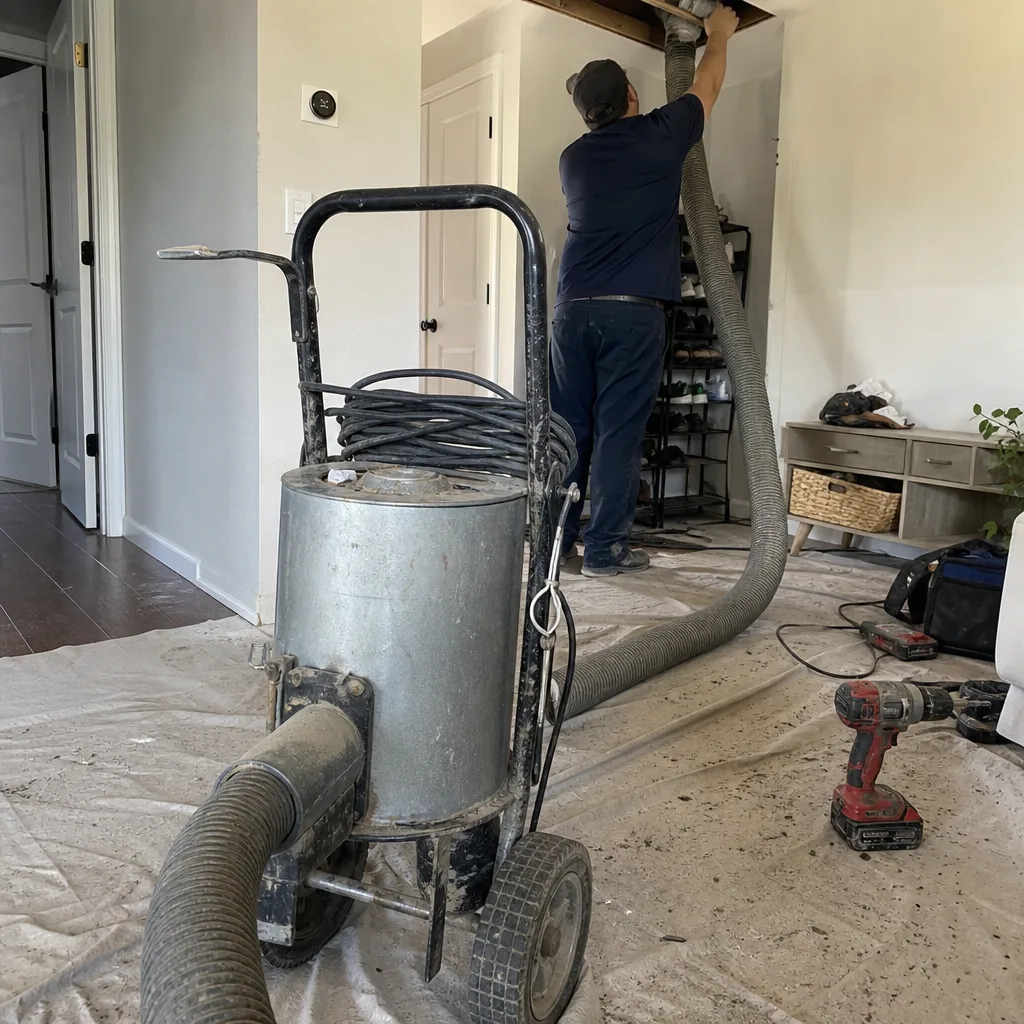 Before
 After
 Before
 After
 Before
 After
When to Call a Professional
You do not need a permit to have your ducts cleaned, and you do not need one to ask questions. But if your system shows signs of damage, separation, or years of neglect, the conversation shifts from cleaning to assessment, and the assessment may lead to repair. That is when you want someone who does both, and who understands where the Chino regulatory line falls. If you are selling a home in Chino and want to get ahead of any duct questions, have the system inspected and the records organized before you list. If you are buying, ask the seller about any recent duct work and check with Building and Safety. If you have a dryer that is taking too long, start with a dryer vent cleaning, and be ready to hear that the vent needs more than cleaning. Duct Cleaning Chino offers free estimates in Chino and works with professional-grade equipment so the cleaning itself is done right, and if the inspection finds something that needs repair, we can address it without sending you to a second contractor. Call (844) 789-0415. We answer 24/7. Fast dispatch from 7am to 7pm, Sunday through Friday.
Frequently Asked Questions
No. A routine air duct cleaning that removes debris through existing access points is considered maintenance, and the City of Chino does not require a permit for it. The permit question only arises if the technician cuts into the duct, replaces a section, or alters connections.
Ask the contractor to classify the work. If it is cleaning, no permit is needed. If it involves cutting, replacing, or rerouting duct material, or reconnecting ducts to the air handler, it crosses into alteration and generally requires a permit through the City of Chino Building and Safety Division. Get the answer in writing before work begins.
The buyer’s inspector may flag the work, and the seller can be asked to produce permits. If none exist, the seller may need to disclose the work, retroactively permit it, or negotiate a credit. The transaction can slow down or fall apart, and the contractor who did the work is often pulled back into the conversation years later.
No. The South Coast AQMD regulates regional air quality and dust control, not residential duct permits. Permits for duct repair and alteration in Chino come from the City of Chino Building and Safety Division, which enforces the California Mechanical Code.
Yes, when the repair involves replacing, rerouting, or repositioning the vent, rather than simply cleaning it. Dryer exhaust must meet California Mechanical Code requirements, and a vent that needs to be reworked to terminate outside or within maximum run length is typically permitted work.
Contact the City of Chino Building and Safety Division and request a permit search by address. They can tell you whether a permit exists for the mechanical work in question. If unpermitted work is discovered, a retroactive permit may be possible, though it usually requires opening the work for inspection.
The Bottom Line
Routine duct cleaning in Chino is not a permit event. But the moment a cleaning becomes a repair, the work enters territory that the City of Chino Building and Safety Division regulates under the California Mechanical Code. The smartest move a homeowner can make is to clarify that boundary with any contractor before they arrive, and to keep records of what was done and whether it was permitted. The second smartest move is to hire a contractor who can clean the system and, if needed, fix it correctly – without passing you off to someone else. The questions are simple. The answers matter for as long as you own the home, and especially on the day you sell it.
Written by the team at Duct Cleaning Chino, serving Chino since 2018.