
Last updated November 4, 2026
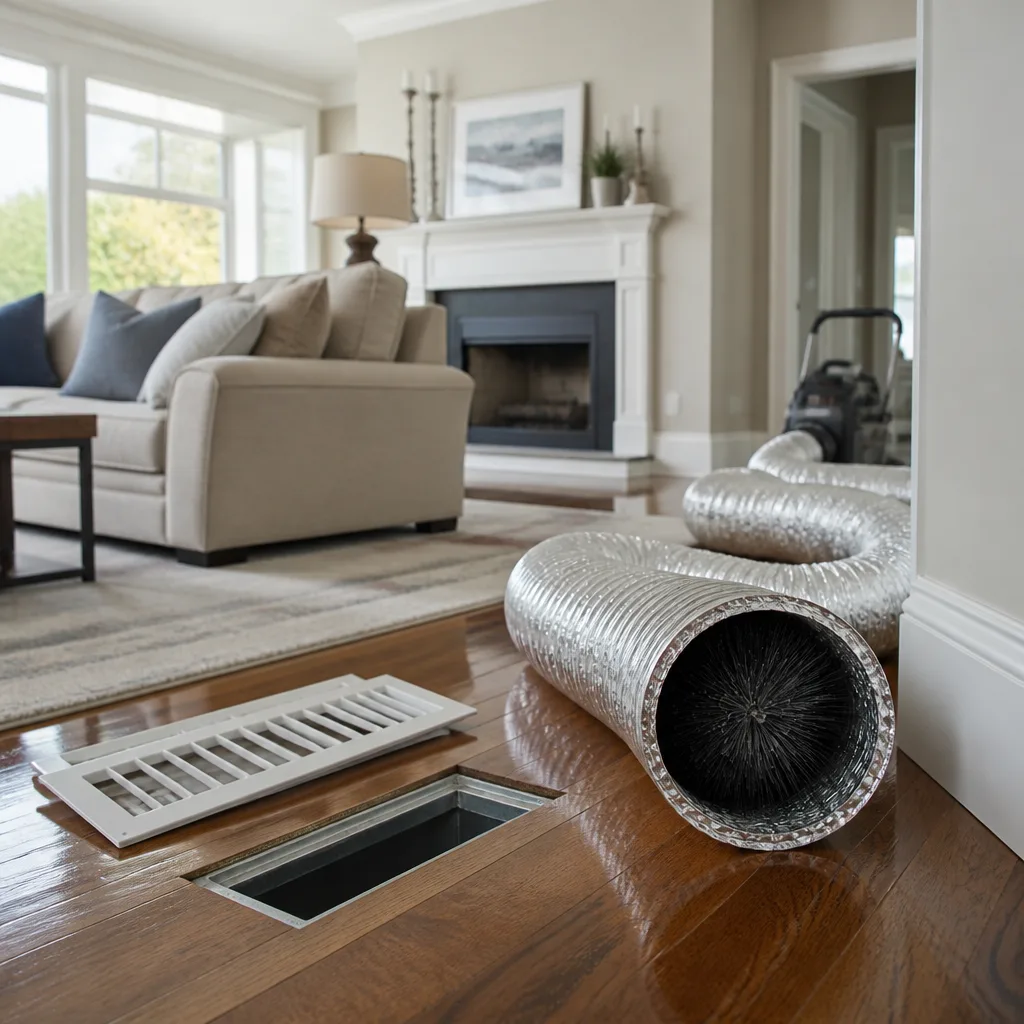 Whole-home duct cleaning
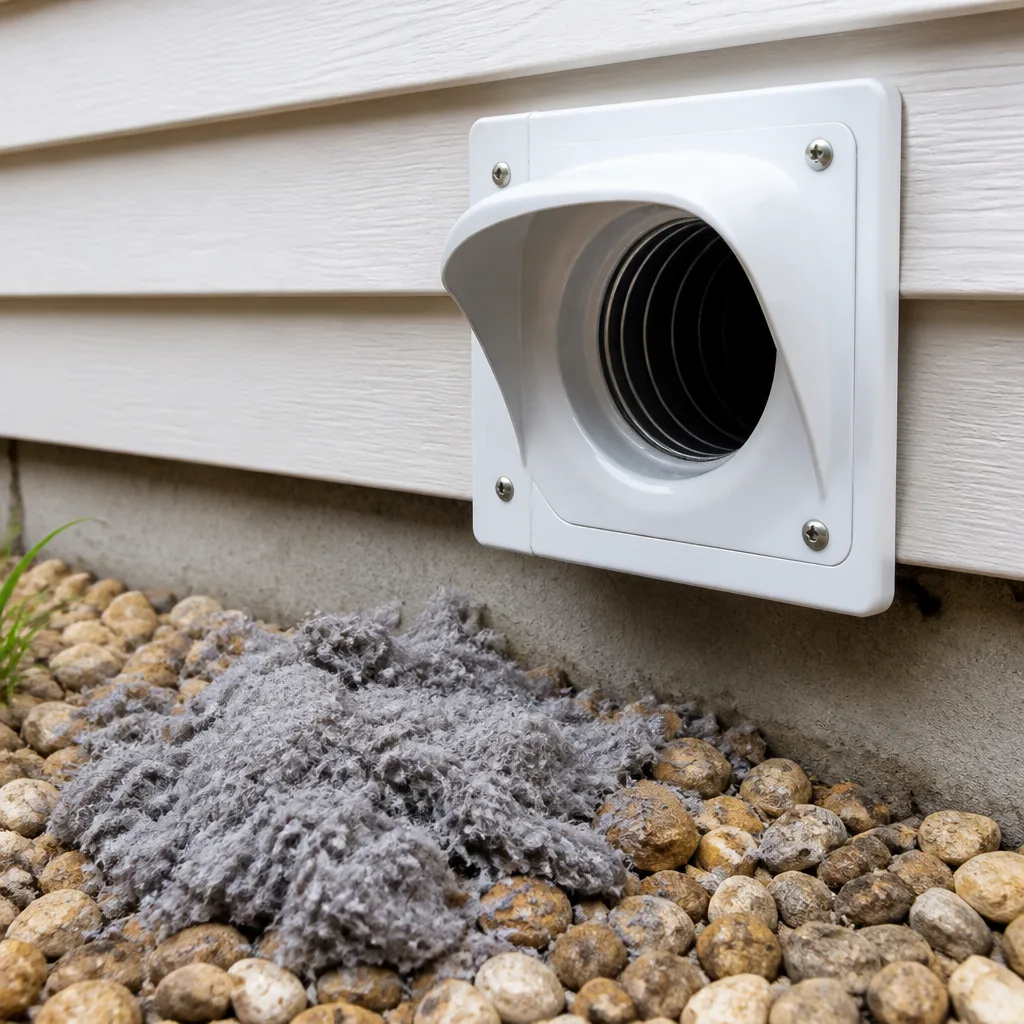 Dryer vent cleaning
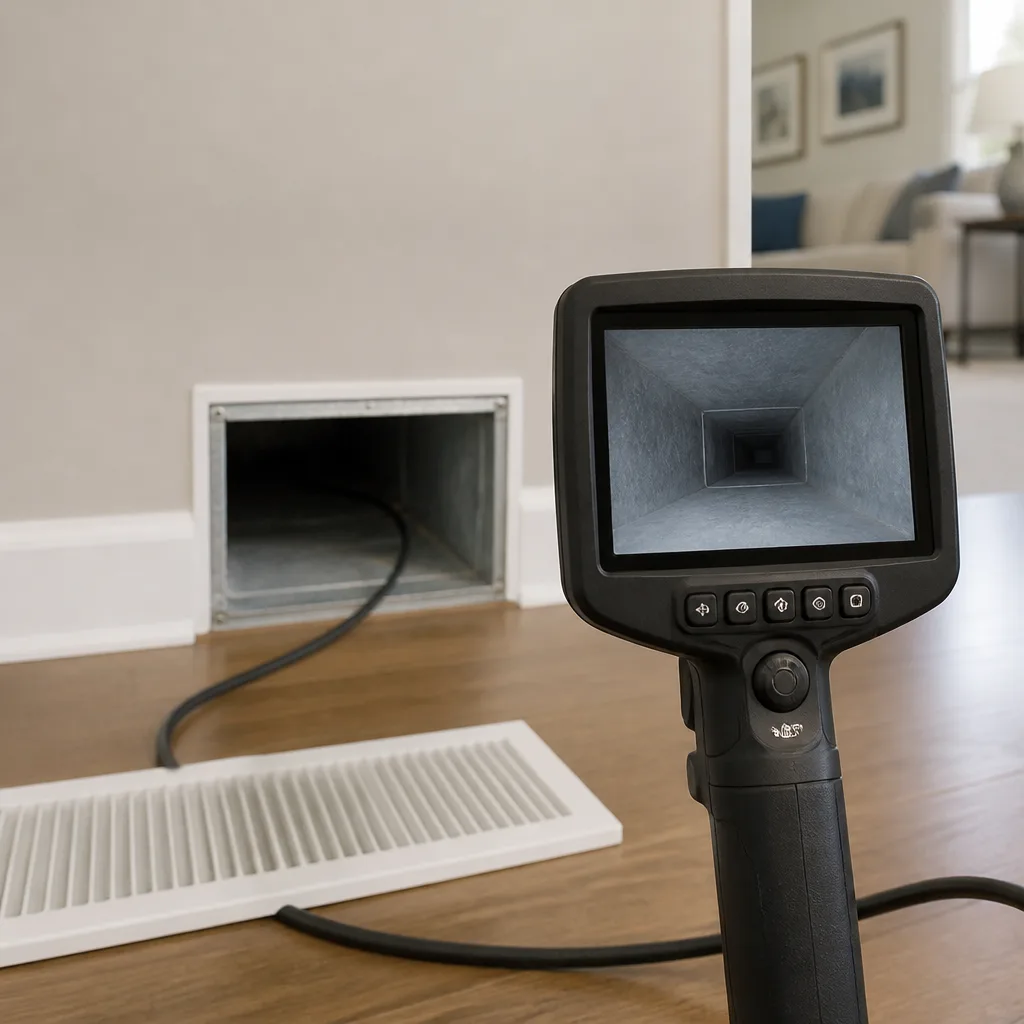 Camera inspection
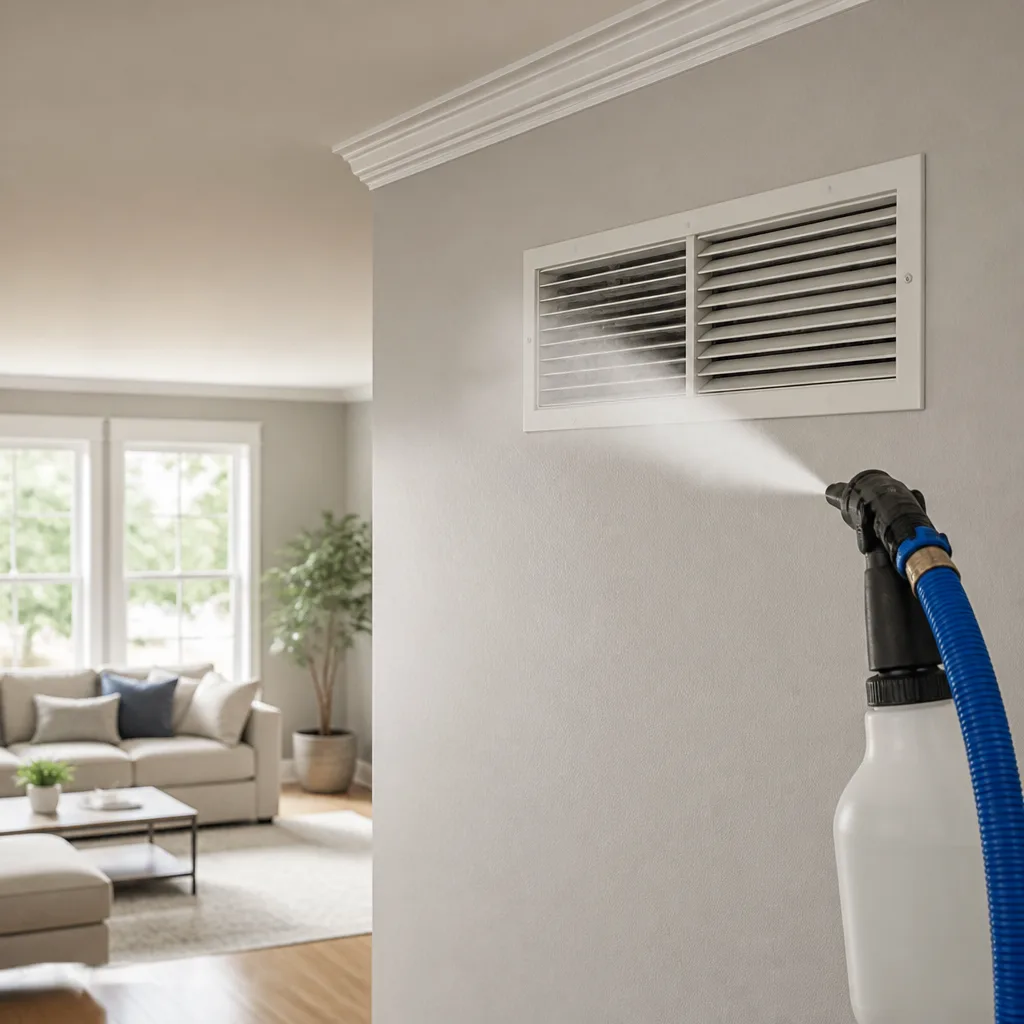 Sanitizing & deodorizing
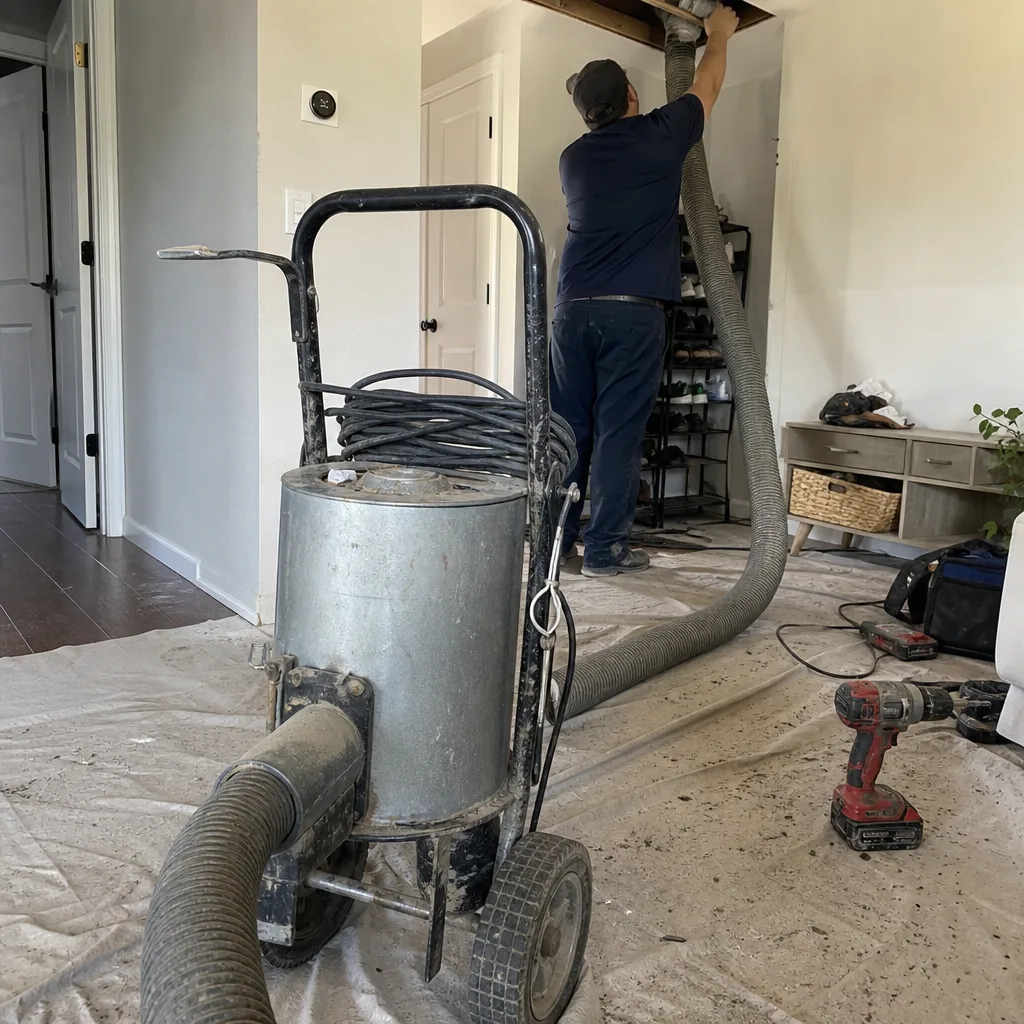
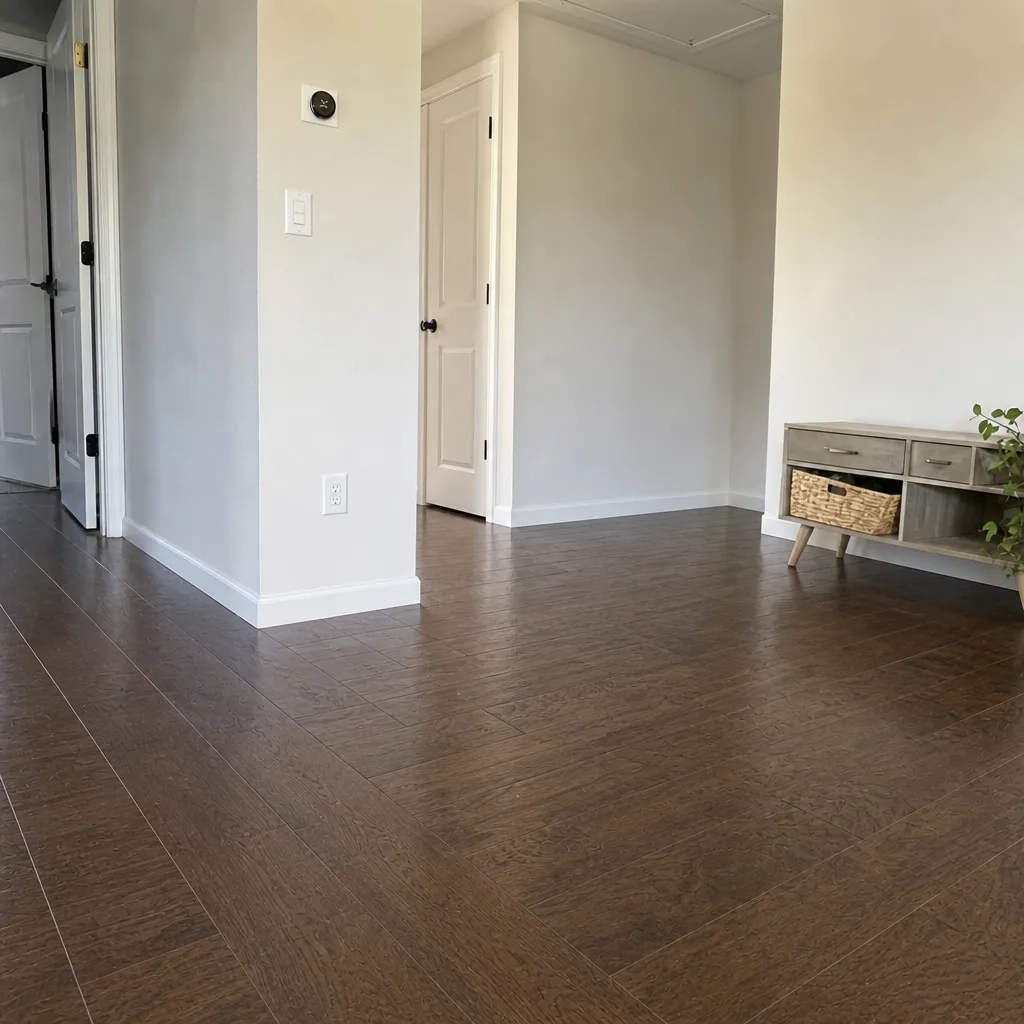
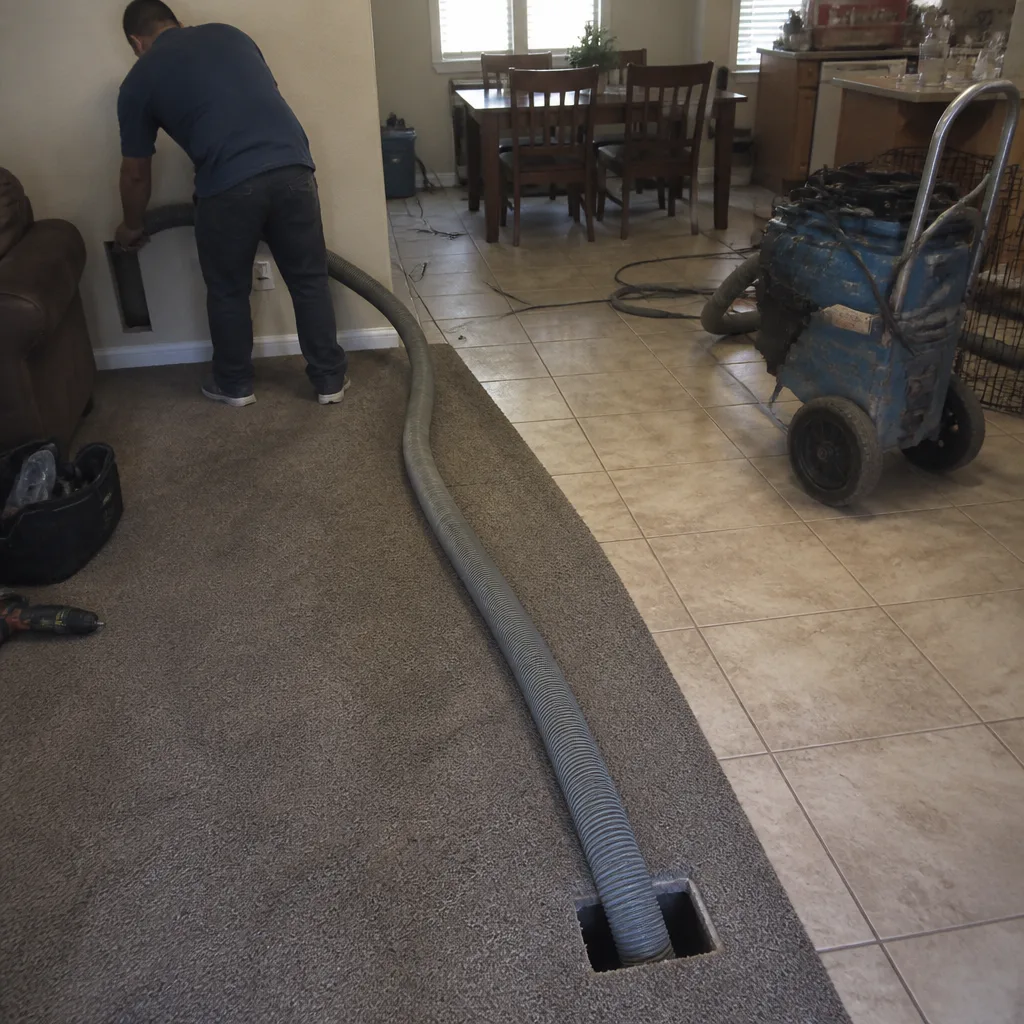
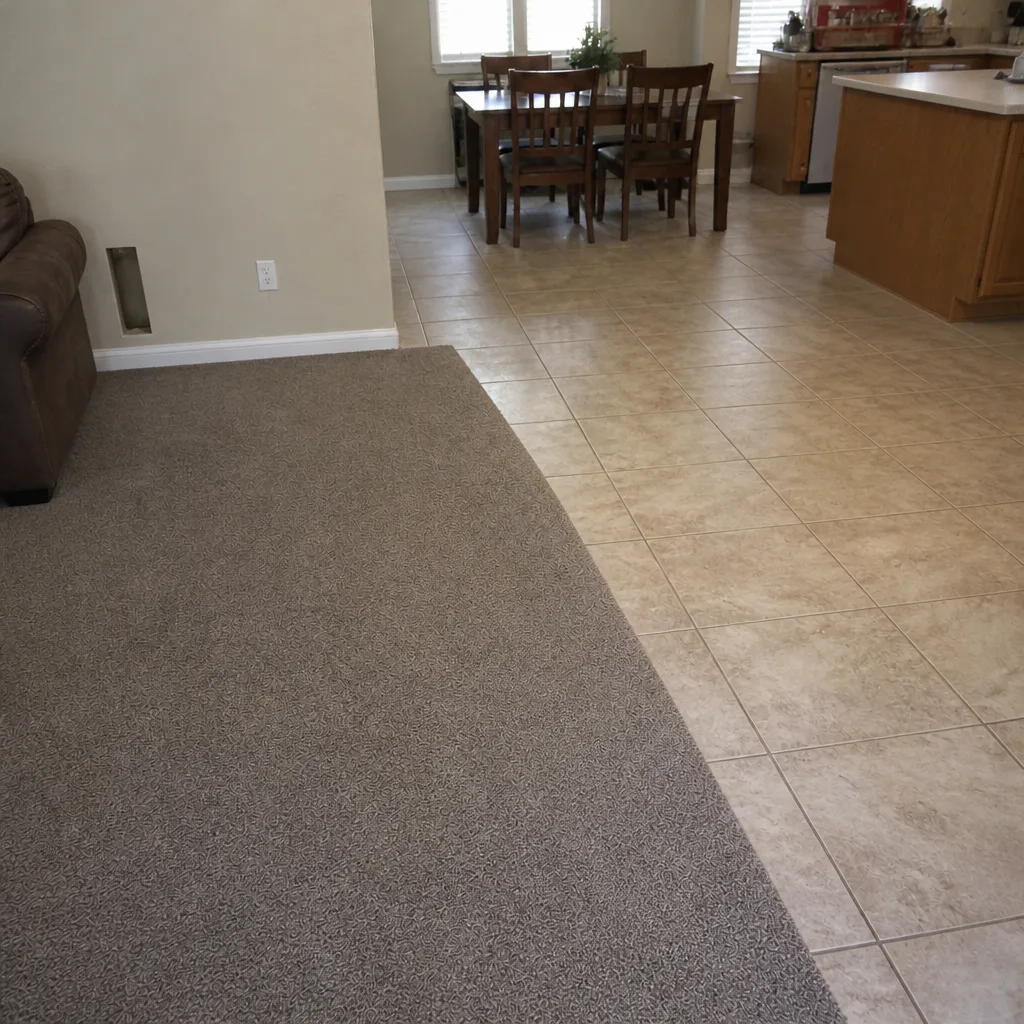
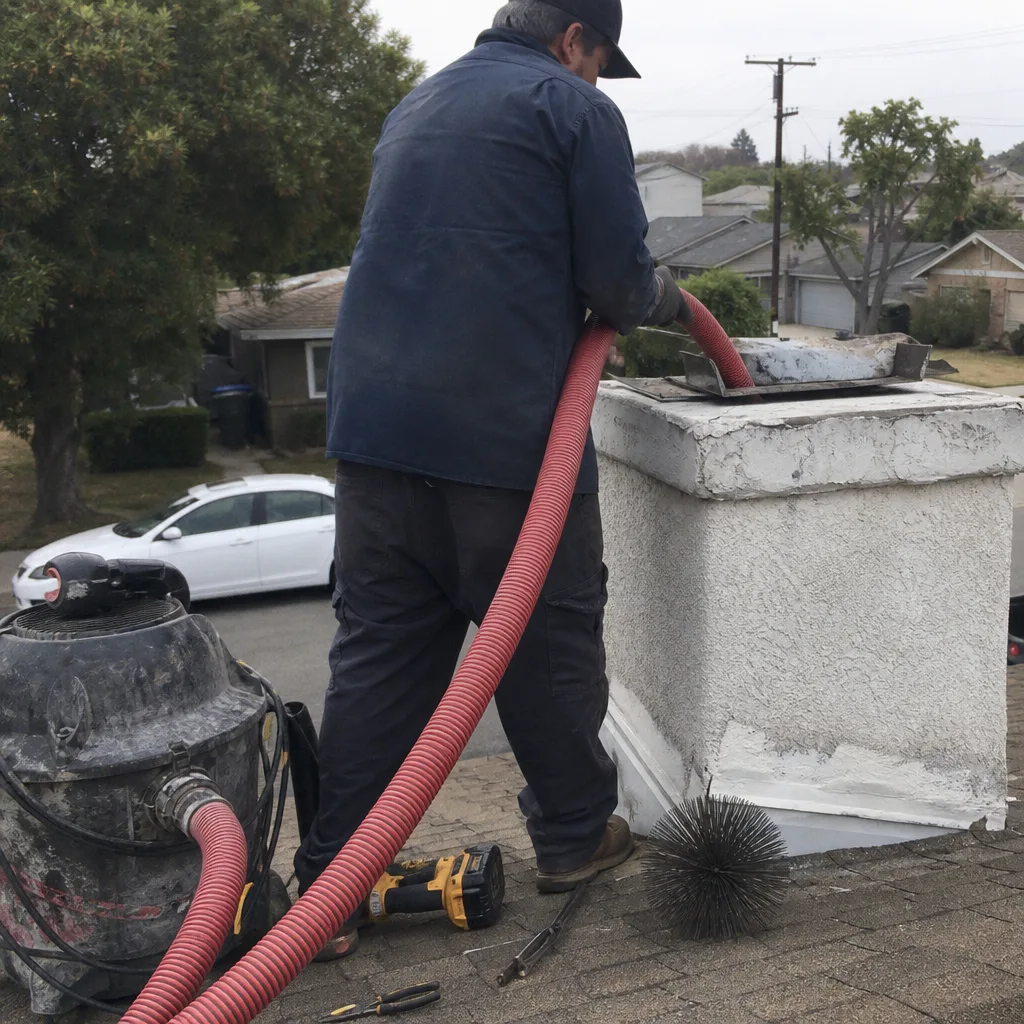
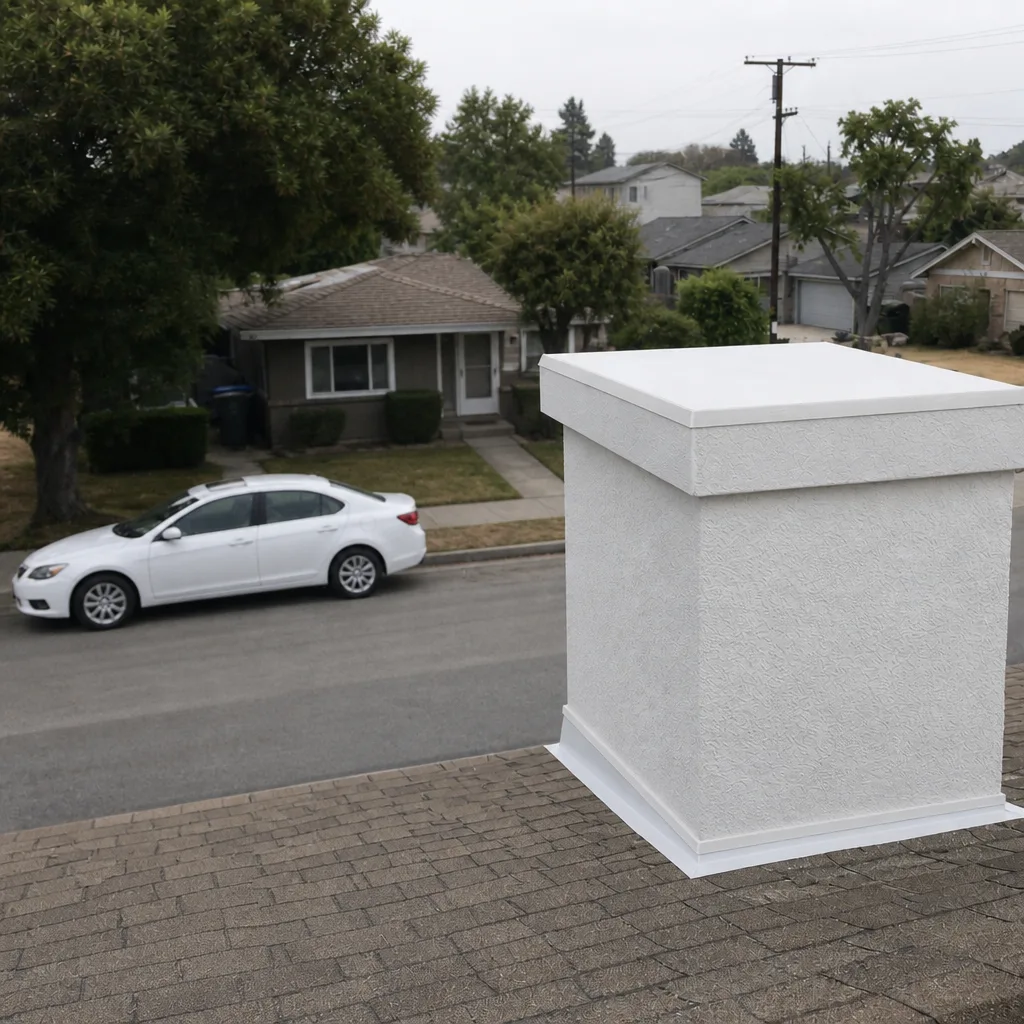
Whole-system duct and dryer vent check with before-and-after photos - you see exactly what came out of your vents
That "$99 whole-house special" is a bait ad - the real number appears once they are in your hallway, or the "clean" is a shop-vac at the register. We photograph the inside of your ducts before and after instead.
Air Duct Cleaning Maintenance Schedule: What to Do and When
Most maintenance schedules for air ducts lean on a single number: clean every three to five years. That guideline gets repeated so often it sounds like building code, but it was never written for a place like Chino. Our HVAC systems move more air, for more hours, through a drier and dustier environment than the national average that rule was built around. When we clean ducts in Chino, we’re often looking at systems that could have used service a year or two earlier. This guide replaces the generic calendar rule with a condition-based schedule, so you know exactly what to do and when, based on what’s actually happening in your home and in the air outside it.
Styles & brands we work with
- Whole-home duct cleaning
- Dryer vent cleaning
- Camera inspection
- Sanitizing & deodorizing
Quick Answer
Most Chino homes need professional air duct cleaning every 2 to 3 years, not the 3-to-5-year interval quoted nationally, because our HVAC systems run harder in a dry, dusty climate where outdoor particulates enter the home year-round. Homes with pets, recent renovation work, or residents with allergies should shorten that to every 1 to 2 years. Between cleanings, replace 1-inch filters every 30 to 60 days, check registers monthly, and schedule your professional cleaning in the fall, after Santa Ana wind season, so the system stays cleaner longer.
Table of Contents
- Why Calendar Rules Fail in Chino
- The Condition-Based Maintenance Matrix
- What to Do Between Professional Cleanings
- Seasonal Timing: Why Fall Beats Spring in Chino
- How Duct Repair Resets the Contamination Clock
- Year-by-Year Maintenance Checklist
- Common Mistakes to Avoid
- When to Call a Professional
- Frequently Asked Questions
- The Bottom Line
Why Calendar Rules Fail in Chino
Chino sits inland, in a valley where the air is dry and the surrounding landscape contributes fine dust almost every month of the year. Homes here run air conditioning for long stretches, which means the blower motor, the ductwork, and the filtration system all see more hours of service than they would in a coastal or northern climate. More runtime means more air passing through the system, and more air means more particles settling onto duct surfaces.
There’s also the Santa Ana factor. From September through November, wind events push dry air and fine particulate through the region. Homes that are well-sealed still draw outside air through doors, windows, and small gaps in the building envelope. That air carries dust that ends up in the return side of the HVAC system. Even a new filter captures only a fraction of the smallest particles, and everything that passes through eventually deposits somewhere in the ductwork.
The standard national guidance assumes a moderate climate with seasonal temperature swings. It doesn’t account for a cooling season that stretches across most of the year. In our experience servicing ducts across Chino, a system in a two-person household with no pets and good filter habits may genuinely make it to the three-year mark without any visible problem. But a system in a four-person home with a dog and a backyard that faces open land near the 71 corridor often shows significant accumulation in half that time. That’s why a single interval fails so many homeowners here.
If you’re in Chino and you’ve been following the national rule, you may be cleaning less often than your actual conditions require. The better approach is to treat your maintenance schedule as a set of triggers, not a date on the calendar.
The Condition-Based Maintenance Matrix
Conditions inside and around your home determine how fast ducts load with dust and debris. This matrix groups the most common variables we see on jobs throughout Chino and gives a realistic cleaning interval for each. Start with the row that matches your household, then adjust based on the factors below it.
Baseline Intervals by Household Type
- Single adult or couple, no pets, no allergies: every 3 years
- Family of 3 or more, no pets: every 2 to 3 years
- Household with one indoor pet (cat or dog): every 2 years
- Household with multiple pets or one heavy-shedding breed: every 12 to 18 months
- Household with allergy or asthma sufferers: every 12 to 24 months
- Home used as a daycare, salon, or high-traffic workspace: every 12 to 18 months
Factors That Shorten Any Interval
- Wildfire smoke exposure: If smoke from regional fires lingered over Chino for more than a few days during the fall, plan a cleaning that season. Smoke particles are fine enough to penetrate standard filters and coat duct interiors.
- Renovation or construction: Drywall dust, sawdust, and floor-sanding debris migrate through return ducts even when work areas are sealed. Clean after the project, not before.
- Dusty landscaping surroundings: Homes adjacent to open fields, unpaved roads, or new residential construction in the Chino area pull in more airborne soil than homes on established, fully landscaped lots.
- Windows left open regularly: Chino’s spring and fall evenings are pleasant enough for open windows, which bypasses filtration and introduces whatever is floating outside directly into the home.
- Older HVAC equipment: Systems old enough to lack modern filtration capacity pass more particulate into the ductwork upstream and downstream of the filter.
The matrix isn’t meant to be precise to the day. It’s a planning tool. A household with two dogs and a resident with dust allergies should not wait three years just because the national guideline says the average home can. Their conditions point to a 12-month cycle. That’s the difference between a rule written for the country and one written for your living room.
What to Do Between Professional Cleanings
Professional cleanings reset the system, but what happens in the months between appointments determines how long that clean state lasts. Here’s what we recommend to Chino homeowners who want to extend the useful life of every cleaning.
Filter Replacement: The First Line of Defense
- Use a filter with a genuine MERV rating of 8 to 13. MERV 8 catches most household dust and pet dander. MERV 11 to 13 catches finer particles, including smoke and some pollen. Above MERV 13, static pressure rises and many residential blowers struggle, which hurts efficiency and can damage the system.
- Check 1-inch filters monthly. In high-cooling months, replace them every 30 days regardless of how they look. In milder months, every 60 days is usually sufficient for a home without pets. Homes with pets should stay on a 30-day replacement schedule year-round.
- If you use 4 or 5-inch media filters, plan on replacement every 6 months under normal conditions, or every 3 to 4 months during fire season or after heavy Santa Ana dust events.
Monthly Register and Return Checks
Once a month, walk the house and do a visual check of supply registers and return grilles. You’re not opening ductwork; you’re looking at the surfaces you can see. Here’s what to look for:
- Visible dust buildup on register louvers: If the registers look dusty even after routine housekeeping, the ductwork behind them is likely carrying a similar load.
- Dark streaking around supply diffusers: This often indicates fine particulate being driven out of the vents by airflow. It shows up on ceilings and walls near registers before it shows up anywhere else.
- Reduced airflow from one or two rooms: If one room takes longer to cool than the rest of the house, the duct run serving it may have a partial blockage, a separated joint, or a crushed section. This is more than a cleaning issue; it points to duct repair needs.
- New odors when the blower starts: A musty or stale smell from the vents when the system first kicks on suggests biological or moisture-related contamination somewhere in the system, not just normal household dust.
Keep the Mechanical Room and Return Path Clean
The air that enters your system comes from the rooms where the returns live. In many Chino homes, the return is in a hallway or central living area. Keeping those spaces free of excess dust, pet hair, and stored cardboard boxes reduces the load on the filter. If the air handler sits in a garage or utility closet, keep the area around it swept. The unit draws air from its immediate surroundings through small gaps and cabinet penetrations, especially in older installations.
What About DIY Duct Cleaning Kits?
We get asked this often enough that it belongs in any honest maintenance guide. Consumer-grade tools: a drill attachment brush, a shop vac with a long hose, a camera you run through a register: cannot reach most of a duct system. Residential ductwork in Chino homes runs through walls, across attics, and under slab floors, with turns and transitions no homeowner tool can navigate end to end. A partial cleaning that disturbs accumulated debris without extracting it can actually make things worse by breaking material loose into the airstream. This is where equipment matters. Professional cleaning setups like the Rotobrush contact-cleaning systems and Nikro negative-air equipment we run generate enough suction and agitation to remove material throughout the full run, not just from the first few feet of the visible duct.
Seasonal Timing: Why Fall Beats Spring in Chino
Spring is the most popular season for duct cleaning in most of the country. Homeowners emerge from winter, think about spring allergies, and book service. That timing makes less sense here. In Chino, the better window is fall, and the reason comes down to Santa Ana winds.
Santa Ana events typically run from September through November. These wind episodes push dry, dusty air across the region, and they can linger for days at a time. During these events, outdoor particulate loads in Chino rise sharply. Any home that opens a door to let the dog out, receives a delivery, or simply runs exhaust fans while the wind blows is pulling some of that airborne material inside. Much of it settles into the return side of the HVAC system.
If you clean your ducts in the spring, you’re doing it after roughly five months of low-wind, settled-air conditions, but you still have the next Santa Ana season ahead of you. Within six months of your cleaning, the system has been through another fall wind season and is accumulating again. If you clean in late October or November, you remove everything the wind season deposited, and you enter the winter and spring with the cleanest possible system. The result is a longer useful post-clean period before conditions hit whatever threshold triggers your next service.
Fall cleaning also aligns with cooling season recovery. By October, an HVAC system in Chino has just completed months of near-daily operation. The blower has moved air continuously, and whatever the filter didn’t catch is in the ducts. Cleaning after that cycle, rather than during it, means the work isn’t undone within weeks by another heat wave. And for most households, fall is a lower-demand period for cooling, so having the system offline for a few hours during the cleaning is less disruptive than losing air conditioning on a July afternoon.
One caveat: if wildfire smoke affects Chino during a particular fall, schedule accordingly. A cleaning before the smoke clears means the system re-contaminates immediately. There’s no benefit to cleaning while outdoor air quality is still poor. Wait until the event passes, then book the service.
How Duct Repair Resets the Contamination Clock
Not all duct service is the same. A cleaning removes accumulated material from existing duct surfaces. A repair or resealing event changes the system itself, and that change affects how long the system stays clean afterward.
Ductwork in Chino homes often runs through unconditioned spaces: attics and crawl spaces where temperatures swing and materials degrade over time. Sections of flex duct sag or get crushed. Joints separate. Metal boots rust or loosen. When those failures happen, the system draws unfiltered air directly from the attic or wall cavity into the living space. That air carries insulation fibers, dust, and whatever else lives in those unconditioned areas, and it bypasses the return filter entirely.
A cleaning-only appointment in a home with leaking ducts produces a short-lived result. The technician removes the existing contamination, but the leaks continue pulling in new material at the same rate they always did. Within months, the system looks close to what it did before the cleaning. That’s why we treat inspection and Duct Cleaning Chino‘s repair capability as part of the same service. When we find a separated joint or a crushed flex run during a cleaning, we can repair it on the same visit, because duct repair is a first-party service for us, not a referral to another contractor.
Here’s how repair affects your maintenance schedule:
- If no leaks or damage are found: your post-clean interval follows the condition-based matrix above. Nothing resets beyond the cleaning itself.
- If minor leaks are sealed during service: the system now pulls less unfiltered air. A home that would have needed cleaning in 18 months may now go 24 to 30 months before it reaches the same level of accumulation.
- If significant repair work is done, such as replacing a crushed duct run or resealing multiple joints: treat the repair date as the start of a new contamination timeline. The cleaned and repaired system accumulates far more slowly than the original one did. In practice, many of these homes don’t need their next cleaning for 3 years or longer.
That’s the practical difference between a company that only cleans and one that can clean and fix what it finds. The repair capability changes the math on how often you need service in the first place.
Year-by-Year Maintenance Checklist
Use this checklist as a rolling reference. It’s organized by interval rather than calendar year, so wherever you are in your current maintenance cycle, you can find your next step.
Monthly Tasks
- Check 1-inch HVAC filter. Replace if visibly dirty or at the 30-day mark during cooling season.
- Walk through the home and look at supply registers and return grilles for dust buildup, streaking, or reduced airflow in specific rooms.
- If the system is running, listen for new rattling, whistling, or changes in blower noise that might indicate a loose duct joint or damaged run.
Every 6 Months
- Replace 4 or 5-inch media filter if your system uses one.
- Vacuum return grilles and register covers with a brush attachment to remove surface debris before it can be drawn into the system.
- Check the area around the air handler or furnace for dust accumulation, clutter, or signs of leaks in the cabinet.
Annual Tasks
- Schedule a visual inspection of accessible ductwork, especially flex runs in the attic or crawl space, to look for sagging, kinking, or separated joints.
- If you have a dryer, schedule or perform a dryer vent cleaning on an annual basis. Dryer lint is a leading cause of residential dryer fires, and in Chino homes where the dryer vent run is long or has multiple turns, annual service is the safer interval.
- After the fall Santa Ana season ends, assess how much dust settled in the home during wind events. If window sills, ceiling fans, and shelves needed frequent dusting, the duct system took on a similar load and may justify professional service.
Every 2 to 3 Years (or per the Condition Matrix)
- Schedule a professional air duct cleaning with a provider that uses true negative-air equipment, not consumer-grade tools.
- During the cleaning, have the technician inspect all accessible ductwork for leaks, crushed sections, and signs of moisture. Request repair on the same visit if issues are found.
- After cleaning, change the HVAC filter immediately, since the cleaning will have removed material ahead of the filter that might otherwise lodge there.
Event-Triggered Cleaning
Certain events override the normal schedule entirely. Book a cleaning soon after any of these:
- Renovation or remodeling work that produced drywall dust, floor sanding, or demolition debris.
- A regional wildfire smoke event that affected Chino air quality for more than a few days, even if you kept windows closed.
- A water leak or condensation event inside the duct system or in the space where ducts run. Moisture changes the contamination profile entirely and requires professional attention.
- Moving into a recently purchased home, especially if the previous owner’s maintenance habits are unknown. Many Chino buyers include duct cleaning in their post-closing checklist for this reason.
Common Mistakes to Avoid
- Trusting the national 3-to-5-year rule without adjustment. It’s a starting point, not a conclusion. Chino’s dry climate and long cooling season push most households toward the shorter end of that range, and many should clean more often than the rule suggests at all.
- Replacing filters too rarely while expecting clean ducts. The filter is the only thing between your living space and the blower and coil. A clogged or low-grade filter lets more material reach the duct system downstream. This is the single most common maintenance failure we encounter on service calls.
- Using filters with too high a MERV rating for the system. Homeowners who want better filtration sometimes install MERV 16 or HEPA-grade filters in a system not designed for them. The resulting static pressure rise reduces airflow, strains the blower, and can pull unfiltered air through small leaks. MERV 8 to 13 is the realistic range for most residential equipment.
- Cleaning ducts before a renovation instead of after. It seems logical to clean before the mess arrives, but construction dust is the contaminant. Any cleaning done before the work is undone within days. Always sequence duct service after the project is complete and the dust has settled.
- Booking spring cleaning out of habit. In Chino, the fall window after Santa Ana season produces a longer-last result. Spring cleaning means your system gets contaminated again by the next wind season within six months.
- Ignoring visible register dust because the house is generally clean. Register dust isn’t a housekeeping failure; it’s a report card for the duct system. If the vent covers are dirty while the surrounding room is clean, the ductwork behind them is the source.
- Assuming a cleaning-only company can address every finding. If a technician finds loose duct connections or damaged flex runs during the service, a cleaning without repair leaves the problem in place. Choose a provider who can handle repair on the same visit.
When to Call a Professional
Some maintenance tasks are yours, and some belong to someone with commercial equipment and the training to use it. Open the phone and call when any of these conditions appear: visible dust discharging from supply registers even after cleaning the covers, airflow that has dropped noticeably in one or more rooms, new or persistent odors from the vents when the system runs, allergy symptoms that worsen indoors and improve away from home, or any duct damage you can see in the attic or crawl space. These are not filter-change problems. Duct Cleaning Chino offers free estimates in Chino. Call (844) 789-0415. We answer 24/7. Fast dispatch from 7am to 7pm, Sunday through Friday.
Frequently Asked Questions
Most homes in Chino need air duct cleaning every 2 to 3 years, adjusted by household conditions. Homes with pets, wildfire smoke exposure, or allergy-sensitive residents may need service every 12 to 18 months. The dry inland climate and long cooling season load ducts faster than the national 3-to-5-year average assumes. Call (844) 789-0415 to discuss your home’s specific conditions and get a free estimate.
No consumer vacuum can reach more than the first few feet of a residential duct run. Ductwork in Chino homes passes through walls, attics, and under slabs, with turns and transitions no homeowner tool can navigate. Disturbing material without full extraction can worsen indoor air quality by releasing debris into the airstream. Professional service uses negative-air equipment sized for the full system.
Fall, after the Santa Ana wind season winds down in October or November, is the best time to clean ducts in Chino. Removing wind-deposited particulate at that point means the system stays cleaner through winter and spring. Spring cleaning means the next wind season re-contaminates the system within six months.
Signs include reduced airflow in one room while others cool normally, rattling ductwork when the blower runs, visible sagging or kinking in flex duct runs, and dust streaking around supply diffusers that returns quickly after cleaning. These symptoms point to leaks, separation, or crushing that a cleaning alone won’t fix. The repair should happen during the cleaning visit.
Professional systems like Rotobrush contact-cleaning equipment and Nikro negative-air machines generate the suction and agitation needed to remove material from the full duct run while containing it. Consumer-grade tools, including drill brushes and shop vacuums, treat only the visible entry point of each duct and cannot control what they dislodge.
It removes accumulated dust, pollen, pet dander, and fine particulate that would otherwise recirculate through the home every time the system runs. For Chino residents with dust allergies, this can reduce symptom triggers indoors, especially when combined with proper filtration. The cleaning should be scheduled at an interval matched to the household’s sensitivity level, not the generic average. Call (844) 789-0415 for a free estimate and an honest assessment of what your system needs.
The Bottom Line
A maintenance schedule based on a national average won’t serve most Chino homes well. The local climate, the long cooling season, the Santa Ana wind events, and the common condition of residential ductwork here all point to shorter intervals and condition-based triggers. If you remember one thing from this guide, make it this: your schedule should respond to the variables in your home, not the calendar on the wall. Replace filters monthly during cooling season, inspect registers every month, schedule professional cleaning in the fall, and treat any repair work as the start of a new timeline. That approach keeps the air in your ducts, and the air in your home, under your control.
Written by the team at Duct Cleaning Chino, serving Chino since 2018.
See the difference
 Before
 After
 Before
 After
 Before
 After